I spent a decade in dark, quiet sleep labs, watching patients tethered to headboxes, and if there is one thing I’ve learned, it’s that we are being sold a very expensive lie. You’ve likely been told that your smartphone is a sleep-killing monster and that you need to buy $50 amber-tinted glasses just to survive the evening. While the effects of blue light on sleep quality are a real physiological phenomenon, the way the wellness industry markets them is utterly exhausting. They want you to believe that a single screen is the culprit for your exhaustion, when in reality, it’s often a much simpler lack of routine or a bedroom that feels like a sauna.
I’m not here to sell you blue-light-blocking gadgets or tell you to live like a monk in a cave. My promise to you is a bit more grounded: I am going to strip away the marketing hype and tell you what the clinical data actually shows. We will separate the genuine biological triggers from the trendy nonsense, so you can stop obsessing over your screen time and start focusing on the habits that actually move the needle for your rest.
Why Melatonin Production Inhibition Is More Than Just a Buzzword
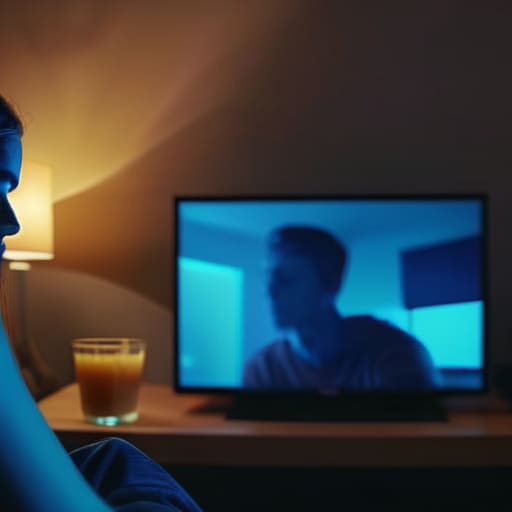
It’s also worth considering how your social life and evening wind-down routines contribute to that physiological tension. While we focus so much on the light coming from your phone, we often overlook the emotional stimulation that comes from late-night digital interactions or the stress of navigating modern dating. If you find that your late-night scrolling is actually a way to seek connection, you might find more stability by moving those interactions into more intentional, real-world spaces, such as meeting people in UK UK, rather than letting a glowing screen be your primary window to the world. Finding a way to balance social engagement with a predictable wind-down is often much more effective than simply throwing your phone in a drawer and hoping for the best.
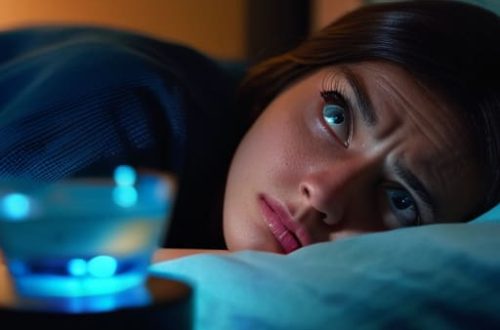
When we talk about melatonin production inhibition, I often see patients who think they’ve missed a magic window of time. They believe that if they look at a screen at 10:00 PM, they’ve “broken” their brain for the night. In reality, it’s less about a sudden crash and more about a subtle, physiological confusion. Melatonin is your body’s biological signal that the sun has gone down; when you flood your retinas with short-wavelength light, you aren’t just “staying awake,” you are sending a contradictory signal to your brain that it is still midday. This circadian rhythm disruption doesn’t just make you feel wired; it shifts the timing of your entire internal clock.
The problem is that this isn’t a binary “on or off” switch. It’s a gradual suppression. You might not notice immediate digital eye strain symptoms, but the hormonal delay is real. Even if you use night mode settings for smartphones, you aren’t magically exempt from the issue. While those settings can reduce the intensity, they don’t fundamentally change the fact that prolonged screen time before bedtime keeps your neurochemistry in a state of daytime alertness. We need to stop treating melatonin like a light switch and start treating it like a tide that needs the right conditions to come in.
Is Screen Time Before Bedtime Actually Disrupting Your Circadian Rhythm
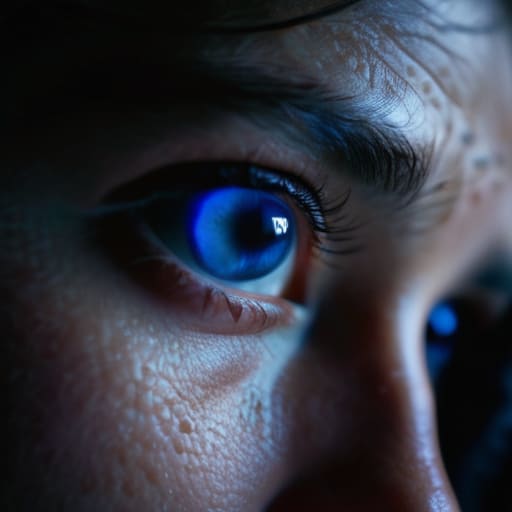
The thing about circadian rhythm disruption is that it isn’t just about the light hitting your retinas; it’s about the timing of the signal. Your brain is essentially a highly sensitive biological clock that relies on predictable environmental cues to know when to start the shutdown sequence. When you spend an hour scrolling through news feeds or emails, you aren’t just looking at a screen; you are sending a high-intensity signal to your suprachiasmatic nucleus that it is still midday. This creates a physiological mismatch where your body is physically exhausted, but your internal clock is still bracing for the sun to rise.
I often see patients who are convinced they need expensive blue light blocking glasses benefits to save their sleep, but they’re missing the forest for the trees. While those gadgets might slightly tweak the spectrum, they won’t fix the fundamental issue of screen time before bedtime being an active stimulant. If you are constantly engaging with high-contrast, flickering light, you are essentially asking your brain to stay alert. It’s less about the specific wavelength and more about the cognitive arousal and the light-induced delay in your natural sleep onset.
Cutting through the blue light noise: What actually helps
- Stop obsessing over the “blue light filter” on your phone. While it helps slightly, it’s a bit like putting a band-aid on a broken leg; it doesn’t address the fact that your brain is still being stimulated by the content you’re consuming.
- Prioritise light exposure in the morning instead. I’ll always ask what time you get up before I ask when you go to bed, because getting bright, natural sunlight into your eyes early in the day does more for your circadian rhythm than any pair of amber-tinted glasses ever will.
- Dim the overheads. It isn’t just the spectrum of light that matters, but the intensity. Switching to low-level, warm lamps in the hour before you want to sleep signals to your brain that the day is winding down much more effectively than staring at a bright tablet.
- Create a “digital sunset” that isn’t about the light, but the engagement. The cognitive stimulation of a stressful email or a dopamine-heavy social media scroll is often a much bigger culprit for sleep onset latency than the actual wavelength of the screen.
- Don’t let your wearable tell you that you’ve “failed” because you used a screen. Most trackers use movement and heart rate to guess your sleep stages, and they are notoriously bad at distinguishing between “resting quietly” and “actually sleeping,” so don’t let a low sleep score ruin your morning.
Cutting through the blue light noise
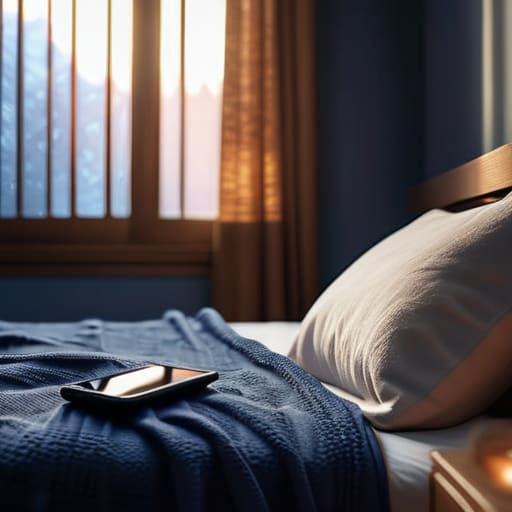
So, where does that leave us? We’ve established that while blue light isn’t some magical, sleep-destroying entity, it does play a role in delaying that crucial melatonin surge. However, if you are obsessing over your phone screen while simultaneously ignoring the fact that your bedroom is a stifling 20 degrees or that your wake-up times fluctuate wildly, you are fighting the wrong battle. The science suggests that blue light is a contributing factor, not the sole architect of your exhaustion. Don’t let the marketing hype convince you that you need expensive blue-light-blocking glasses to survive; instead, focus on the broader picture of circadian consistency and environmental control.
At the end of the day, I want you to stop chasing the perfect “sleep score” on your wearable and start listening to your own physiology. Sleep isn’t a performance to be optimized by avoiding every single photon of light; it is a biological process that requires stability and a cool, dark space to thrive. If you can manage your light exposure alongside a regular routine, you’ve done more for your health than any gadget could ever provide. Focus on the foundations of rest, and let the rest of the noise fade into the background.