I spent a decade in dimly lit sleep labs, watching patients twitch and toss while wired to a headbox, and if there is one thing I’ve learned, it’s that the “sleep optimization” industry is selling you a fantasy. You’ll see influencers claiming you need $500 amber glasses or a specific sequence of supplements to master your biology, but they are missing the point entirely. Most of the confusion stems from a fundamental misunderstanding of how the circadian rhythm works; people treat it like a delicate mood that needs coddling, rather than the unyielding biological master clock that actually dictates your temperature, hormones, and alertness.
I’m not here to sell you a gadget or a complicated ritual that requires a spreadsheet to track. My goal is to strip away the nonsense and explain the actual physiological mechanics that govern your day and night. I want to show you how to stop fighting your own biology and start working with it, by focusing on the few variables that actually matter. We are going to separate the genuine circadian disruptions from the mere bad habits, so you can finally stop guessing and start resting.
Understanding How the Circadian Rhythm Works
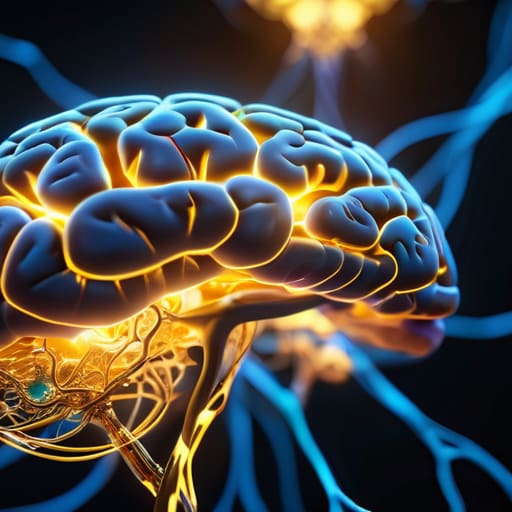
Think of your internal clock not as a vague concept, but as a precise biological mechanism. At the very center of your brain sits the suprachiasmatic nucleus, a tiny cluster of cells that acts as the master conductor for your entire body. This isn’t just about feeling tired; it is about the complex orchestration of biological clock regulation that dictates when your temperature drops, when your digestion slows, and when your brain prepares for rest.
The process is driven by a delicate tug-of-war between light and chemistry. When the sun hits your retinas, it triggers a rise in cortisol levels and morning alertness, effectively telling your system that the day has begun. As darkness falls, the script flips, and your brain begins the crucial work of melatonin production. This is where most people stumble. We live in a world of constant, artificial illumination that tricks this master conductor. When we stare at screens late at night, we aren’t just “staying up”; we are actively sending a false signal to our brain that the sun is still up, effectively stalling the very chemistry required to transition into deep, restorative sleep.
Key Things to Know
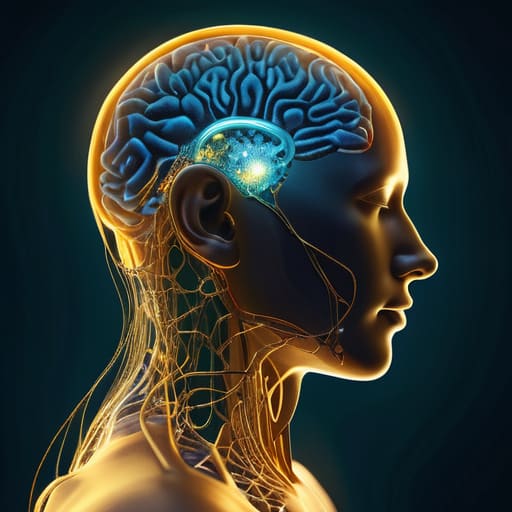
First, let’s get one thing straight: your internal clock isn’t some vague, spiritual concept. It is a physical, biological reality driven by the suprachiasmatic nucleus function in your brain. This tiny cluster of cells acts as the master conductor for your entire body, orchestrating everything from your body temperature to your digestion. When we talk about your rhythm, we aren’t just talking about when you feel sleepy; we are talking about the precise timing of your hormones.
You need to understand the push-and-pull relationship between your hormones. In the evening, your brain signals for melatonin production to begin, which is the chemical “green light” for sleep. Conversely, your body uses cortisol levels and morning alertness to pull you out of that state when the sun comes up. If you are constantly fighting these signals—by staring at a bright screen late at night or sleeping in until noon on weekends—you aren’t just “tired,” you are actively desynchronising your biology. You are essentially asking your brain to run two different schedules at once, and it will eventually lose the argument.
Practical Tips and Steps
First, we need to talk about your morning. If you want to fix your rhythm, stop focusing on when you crawl into bed and start focusing on when you actually get out of it. Consistency in your wake time is the most powerful tool for biological clock regulation you have. When you rise at the same time every day—even on Saturdays—you send a clear signal to your brain that the day has begun. This helps manage your cortisol levels and morning alertness, ensuring that the hormonal surge intended to wake you up actually happens when it should, rather than leaving you in a fog until noon.
Second, respect the light. We know the impact of blue light on sleep is real, but it’s not just about avoiding screens; it’s about seeking out the sun. Getting bright, natural light in your eyes shortly after waking helps anchor your internal timer. Conversely, as evening approaches, you need to dim the lights to allow for natural melatonin production and sleep cycles to take over. You cannot expect your brain to transition into sleep mode if you are sitting in a brightly lit room mimicking high noon.
Common Mistakes to Avoid
The biggest mistake I see in the clinic isn’t a lack of willpower; it’s the attempt to “force” sleep by staying in bed longer when you’ve had a bad night. If you’re tossing and turning, you aren’t helping your biological clock regulation; you’re actually training your brain to associate your mattress with frustration. People think they can make up for a late night by sleeping in on Saturday, but you’re really just giving yourself a case of “social jetlag” that will make Sunday night impossible.
Then there is the obsession with evening “wind-down” gadgets that do more harm than good. We talk constantly about the impact of blue light on sleep, but I see people scrolling through news feeds under bright LED lights and then wondering why they can’t drift off. They are effectively telling their brain that it is midday. You cannot expect your natural melatonin production and sleep cycles to kick in when you are constantly bombarding your eyes with artificial signals that scream stay awake. Stop trying to hack your biology with an app and start respecting the light-dark signals your body actually needs.
Final Thoughts
Look, I know it feels overwhelming. We live in a world that is fundamentally designed to sabotage your biology, from the constant flicker of screens to the expectation that we should be “on” at all hours. But understanding the mechanics of your internal clock isn’t about achieving some impossible, pristine perfection. It’s about recognizing that your body is trying to do something very specific and very rhythmic. When you fight against your natural sleep-wake cycle mechanisms, you aren’t just being tired; you are actively working against your own physiology.
If you take nothing else away from this, remember that consistency is your most powerful tool. You don’t need a thousand-pound smart ring to tell you that you’re exhausted; you need to respect the signals your body is sending. Focus on the basics: steady wake times and managing the impact of blue light on sleep in the evening. Stop trying to “hack” your way into better rest and start building a routine that actually respects your biology. It’s much harder than a quick fix, but it’s the only way to stop the cycle of exhaustion.
Five ways to stop fighting your biology
- Stop treating your wake-up time as optional. Your circadian rhythm doesn’t care when you finally fell asleep; it cares when you first saw light. If you’re sleeping in until 10 AM on Saturdays to “catch up,” you are effectively giving yourself jet lag every single week.
- Light is your biological master switch, not a suggestion. You need bright, natural light in your eyes early in the day to signal the brain to suppress melatonin, and you need to aggressively dim the lights two hours before bed to let your natural chemistry take over.
- Beware the “blue light” myth, but respect the intensity. It isn’t just the color of your phone screen; it’s the sheer brightness of artificial light at 11 PM that tricks your brain into thinking it’s midday. Dim your environment long before you try to dim your eyes.
- Temperature is a silent driver of your rhythm. Your core body temperature needs to drop to initiate sleep. If your bedroom is a sauna, you are fighting a physiological battle you are almost guaranteed to lose, regardless of how “relaxed” you feel.
- Stop looking at your wearable’s “sleep score” to decide if you slept well. If your tracker says you had poor restorative sleep but you feel alert and functional, trust your body, not the algorithm. The rhythm is about how you feel in the light, not a data point on a wristband.
The Bottom Line
Stop obsessing over your “sleep score” on your wrist; your circadian rhythm is driven by light and consistency, not by what a sensor thinks your heart rate variability is doing at 3:00 AM.
The most effective tool you own isn’t a supplement or a new gadget, it’s a fixed wake-up time that anchors your internal clock regardless of how much sleep you actually got the night before.
Distinguish between a bad habit and a clinical issue—if your rhythm is a mess because of irregular hours, fixing your routine will help, but if you have a genuine disorder, you need a specialist, not another lifestyle hack.
Frequently Asked Questions
If my circadian rhythm is set by light, does that mean my evening screen time is actually doing more damage than the blue light itself?
It’s a brilliant question, and the answer is a resounding yes. While the blue light from your phone is certainly a factor—it tells your brain it’s midday—the psychological stimulation is often the real culprit. You aren’t just absorbing photons; you’re engaging in an active, dopamine-driven feedback loop. It’s much harder for your nervous system to wind down when you’re scrolling through news or emails than when you’re simply sitting in a dimly lit room.
I struggle with shift work; is it actually possible to "reset" my internal clock, or am I just fighting a losing battle against biology?
It isn’t a losing battle, but it is an uphill one. You can’t “reset” a clock that is hardwired to the sun, but you can manage the friction. It’s about aggressive light management and extreme consistency on your off-days. If you try to live like a “normal” person on your weekends, you’re just inducing social jetlag every single week. You aren’t broken; you’re just asking your biology to do something it wasn’t designed for.
My wearable says my sleep cycles are all over the place, but how do I know if that's a genuine rhythm issue or just the device being inaccurate?
Look, I’ll say it plainly: your wearable is a glorified pedometer for your wrist, not a polysomnograph. It’s guessing based on movement and heart rate, not measuring brain waves. If your “cycles” look chaotic but you feel fine during the day, ignore the app. However, if you’re gasping for air or crashing at 2 PM despite “perfect” scores, that’s a physiological red flag. Don’t treat a data glitch like a diagnosis.