I spent ten years in a dark sleep lab, watching patients struggle through fragmented cycles while wired to a headbox, and I can tell you this: no amount of oxygen-producing greenery is going to save you from a bedroom that feels like a sauna. I see it all the time in clinic—people spending a fortune on trendy monstera plants and aesthetic terracotta pots, convinced they’ve discovered the secret to deep sleep, when in reality, they are just trying to decorate their way around a fundamental physiological problem. Let’s be blunt about how houseplants affect bedrooms: unless you are dealing with a very specific, minor air quality issue, a new fern isn’t a substitute for a cool room and a consistent wake time.
I’m not here to sell you on the “wellness” aesthetic or peddle more pseudo-scientific nonsense that you’ll find on a lifestyle blog. My goal is to strip away the marketing fluff and tell you what the actual evidence says about how houseplants affect bedrooms versus what actually moves the needle for your sleep architecture. I’ll help you distinguish between genuine environmental benefits and the expensive distractions that are just masking the real reasons you’re waking up at 3:00 AM.
Is Your Greenery Fixing Sleep or Just Masking Poor Air
I see it all the time in clinic: a patient comes in, exhausted and anxious, clutching a printout of their “sleep score” and asking if they should buy more ferns to fix their air quality. There is this persistent, almost religious belief that plants are tiny, living air purifiers. You’ve likely heard people cite the NASA clean air study as gospel, but let’s be clear: that study was conducted in airtight, controlled laboratory chambers. In a real-world bedroom, you would need a literal jungle—hundreds of plants—to achieve the same air purification that a standard mechanical filter provides.
If you are looking for the best plants for sleep quality, don’t expect them to scrub the carbon dioxide from the room overnight. While there is some merit to the idea of oxygen production in bedrooms, the actual impact on your respiratory physiology is negligible compared to simply cracking a window. What you are getting is the psychological benefits of greenery; having something living and soft in your line of sight can lower cortisol. But if your room is stuffy because the heater is cranked to eighty, a peace lily isn’t going to save your sleep cycle.
The Nasa Clean Air Study Debunked Separating Myth From Fact
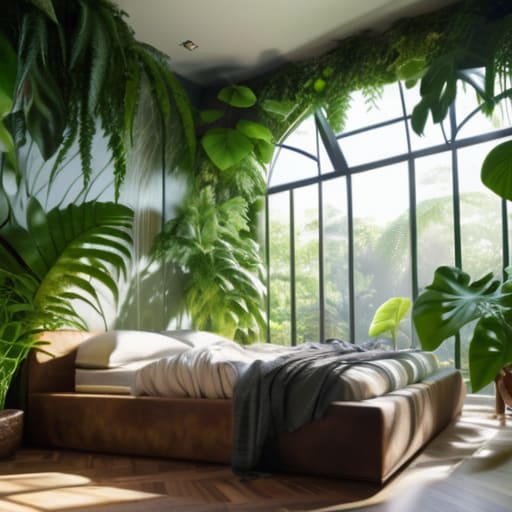
If you’ve spent more than five minutes on a wellness blog, you’ve likely seen the NASA study cited as gospel. The claim is always the same: a few well-placed pots will scrub your air of toxins and leave you breathing pristine oxygen. It sounds lovely, but as someone who deals in physiological data, I have to be blunt: the NASA clean air study debunked in a real-world context is a matter of scale. That study was conducted in airtight, hermetically sealed chambers—not your breezy, lived-in bedroom. To achieve that same level of air purification in a standard room, you’d essentially need to build a literal jungle from floor to ceiling.
While there is some nuance regarding humidity levels and indoor plants, the idea that they act as a mechanical air filter is a stretch. Plants do contribute to a sense of calm, and the psychological benefits of greenery are well-documented; feeling relaxed in your environment certainly helps you drift off. But if you are expecting a Peace Lily to do the heavy lifting of a HEPA filter, you are going to be disappointed. Don’t mistake a bit of aesthetic calm for a clinical solution to poor air quality.
Why Indoor Air Purification Science Isnt a Sleep Cure
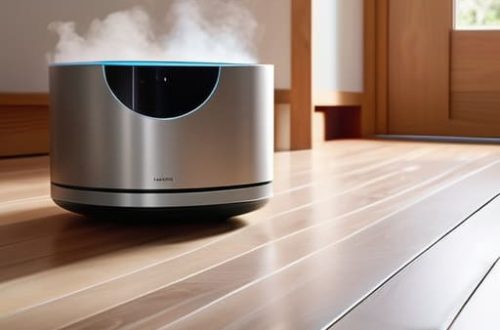
Look, I get the appeal. We see these sleek, expensive air purifiers sitting on nightstands next to a collection of lush Monstera leaves, and we want to believe we’ve built a sanctuary. But we need to be honest about the scale of the physics involved. While there is some validity to the psychological benefits of greenery—the simple, calming effect of seeing something living and breathing—that isn’t the same as clinical air filtration.
The reality is that indoor air purification science suggests that a handful of pots simply cannot compete with the sheer volume of air moving through a standard bedroom. People often obsess over oxygen production in bedrooms, hoping a leafy friend will act like a natural ventilator while they sleep. In a clinical sense, the amount of oxygen a plant adds to your environment is negligible compared to what you’re actually breathing. If your sleep issues are being driven by high CO2 levels or poor ventilation, a spider plant isn’t going to bridge that gap. It’s a lovely sentiment, but it isn’t a medical intervention.
How Houseplants Affect Bedrooms Through Humidity Levels and Indoor Plants
Let’s talk about the actual mechanics of what a plant does in a room, because it isn’t magic; it’s biology. We often hear about the supposed oxygen production in bedrooms, but if you’re expecting a single Monstera to turn your room into a forest canopy overnight, you’re going to be disappointed. Plants do release moisture through transpiration, which can influence humidity levels and indoor plants in a way that feels subtly different on your skin. In a room with bone-dry air—the kind that leaves your throat feeling like sandpaper by 3:00 AM—a few leafy companions might offer a marginal, almost imperceptible buffer.
However, we need to be realistic. While there are certainly psychological benefits of greenery—the simple, calming act of tending to something living can lower your cortisol before you even hit the pillow—they aren’t a physiological substitute for a proper humidifier or a controlled climate. If you are struggling with sleep, don’t look to your ivy to fix your respiratory comfort. Use the plants for the aesthetic peace they bring, but keep your expectations for their “air-scrubbing” abilities firmly grounded in reality.
The Truth About Oxygen Production in Bedrooms and Nighttime Breathing
I hear it in the clinic all the time: “Roisin, I read that if I put a Peace Lily by my bed, the extra oxygen will help me breathe better at night.” It’s a lovely thought, but we need to ground it in some actual physiology. While it is true that plants undergo photosynthesis, the scale of oxygen production in bedrooms from a handful of potted specimens is, frankly, negligible. You would need a literal jungle in your sleeping quarters to significantly alter the gas exchange in a standard room. If you are struggling with breathlessness or waking up feeling unrefreshed, adding a snake plant isn’t going to provide the respiratory boost you’re looking for.
In fact, at night, the process actually reverses; plants consume a tiny amount of oxygen and release CO2. While this won’t harm you—you aren’t going to suffocate in a room with a fern—it certainly isn’t the “oxygen therapy” some wellness blogs claim it is. If you want to improve your sleep quality, don’t look to the leaves for a chemical fix. Instead, look at your ventilation and temperature. If you feel like you can’t catch your breath, it’s likely a matter of air circulation or an underlying issue, not a lack of botanical respiration.
Finding the Best Plants for Sleep Quality and Psychological Benefits
If we strip away the pseudoscience about oxygen production in bedrooms, we are left with something much more practical: the psychological benefits of greenery. I don’t care if your Snake Plant is scrubbing every molecule of VOCs from your air—I care that looking at something living and green reduces the cortisol spike you feel when you glance at your phone at 3:00 AM. There is a legitimate, evidence-based link between biophilia—our innate pull toward nature—and a lowered heart rate. If a few pots of Pothos make your bedroom feel less like a sterile box and more like a sanctuary, that is a win for your nervous system, regardless of what the air quality sensors say.
When searching for the best plants for sleep quality, don’t look for a miracle worker; look for a ritual. The act of tending to a Lavender plant or a Peace Lily can serve as a low-stakes grounding exercise before you turn out the lights. It’s about the psychological shift from “doing” to “being.” Just don’t expect a fern to compensate for a bedroom that’s eighty degrees or a schedule that shifts by two hours every weekend.
Practical Advice: How to Use Plants Without Expecting a Medical Miracle
- Stop treating your windowsill like a pharmacy. If you’re struggling with sleep onset, a peace lily isn’t a sedative; use plants for the psychological “softness” they add to a room, not as a replacement for a consistent wind-down routine.
- Watch the soil, not just the leaves. Overwatering plants creates damp, stagnant pockets of air and can lead to mould growth in your bedroom—the last thing you want in your respiratory environment if you’re already struggling to breathe comfortably at night.
- Don’t go overboard on the “jungle” aesthetic. While a few plants are lovely, a room crammed with excessive foliage can actually trap dust and allergens, which might trigger the very congestion or nighttime coughing you’re trying to avoid.
- Use them as a cue, not a cure. If you find that tending to a specific plant is part of a calm, evening ritual, lean into that. The ritual of care is often more beneficial for lowering your cortisol than any purported oxygen boost the plant provides.
- Match the plant to your actual environment. There is no point in buying a high-maintenance tropical plant that will struggle in a dry, heated bedroom; a dying plant is just another source of clutter and stress, and neither of those things helps you sleep.
The Bottom Line: Plants, Air, and Reality
Don’t expect a fiddle leaf fig to do the heavy lifting of a ventilation system; plants can help with humidity and a bit of psychological calm, but they won’t scrub your air clean or fix a bedroom that’s too hot.
Stop chasing the “oxygen myth”—the amount of oxygen a plant produces overnight is negligible compared to what your body actually needs, so don’t let a lack of greenery keep you from a good night’s rest.
Use plants for the aesthetic and the subtle environmental benefits, but if you’re struggling to sleep, look at your wake-up time and your thermostat before you go out and buy a jungle.
Frequently Asked Questions
If I have a massive collection of plants in my room, am I actually increasing the risk of mold or dust mites that could trigger my asthma or sleep apnea?
If you’ve turned your bedroom into a literal jungle, you’ve likely created a microclimate that isn’t doing your respiratory system any favours. Between the damp soil and the trapped dust in the foliage, you’re essentially building a breeding ground for mould and mites. For someone with asthma or sleep apnea, that extra inflammatory load is a nightmare. It’s not about the plants themselves; it’s about the humidity and the debris they collect. Keep them, but keep them clean.
My wearable says my sleep quality is tanking; could a sudden change in my bedroom's humidity from these plants be the culprit?
Look, first thing’s first: ignore the “tanking” score on your wearable. Those devices are glorified movement trackers, not clinical polysomnography; they don’t know if you’re in deep sleep or just lying very still. As for the plants, unless you’ve turned your bedroom into a literal tropical rainforest, a handful of ferns won’t swing your humidity enough to disrupt your physiology. If you’re feeling restless, check your room temperature first—it’s a much more likely culprit.
Is there any actual clinical evidence that the psychological "calm" of looking at greenery translates to better sleep architecture, or is it just a placebo?
If you’re looking for a polysomnography study showing a Monstera physically altering your REM cycles, you’re going to be disappointed. We don’t have clinical data proving plants change sleep architecture. What we do have is a massive body of evidence on stress reduction. If looking at greenery lowers your cortisol and helps you wind down, you’ll fall asleep easier—but that’s psychological priming, not a physiological shift in your brain waves. It’s a helpful tool, not a cure.