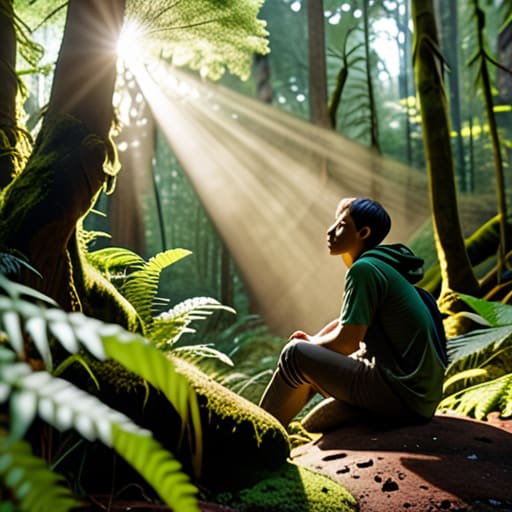
I’ve spent seventeen years in sleep clinics, watching patients stare at their smartwatches in a state of quiet panic because a piece of plastic told them they had “poor recovery” after a stressful day. The wellness industry loves to sell you expensive, complicated solutions for this, often suggesting that the benefits of spending time in nature are some sort of mystical, spiritual transformation you can only achieve through a $200 retreat or a guided forest bathing seminar. It’s nonsense. Most of the time, your nervous system doesn’t need a spiritual awakening; it just needs to stop being trapped in a windowless box under flickering fluorescent lights.
I’m not here to sell you on “zen” or vague mindfulness trends. Instead, I want to talk about what actually happens to your circadian rhythm and cortisol levels when you move your body into a natural environment. I will explain the physiological reality of how light exposure and fresh air actually reset your system, separating the genuine biological advantages from the expensive fluff. This isn’t about finding your soul; it’s about giving your brain a break from the sensory overload that is keeping you wired and tired.
The Physiological Effects of Natural Environments vs Placebo
It isn’t just about the air quality or the greenery, though; it’s about the way natural settings lower our physiological arousal, allowing the nervous system to finally exit that state of high alert. When I’m out on my dawn walks, I notice how the absence of artificial noise and blue light helps reset my own rhythm, but I also know that true restorative rest often requires a broader approach to human connection and intimacy. If you find that your stress levels are impacting your personal life, exploring healthy sex contacts can sometimes be a part of that holistic reconnection to your body and your environment, helping to bridge the gap between mere survival and genuine physiological wellbeing.
When I’m sitting in clinic, I often hear patients describe a “calmness” they feel after a weekend away, but they struggle to explain why. They think it’s just a psychological break from their emails, a sort of placebo effect from being away from the office. But as someone who looks at heart rate variability and cortisol rhythms for a living, I can tell you it’s much more tangible than a mood swing. We aren’t just “feeling better”; we are undergoing measurable biological shifts. The physiological effects of natural environments involve a genuine down-regulation of the sympathetic nervous system—the part of you that’s constantly stuck in ‘fight or flight’ mode.
It isn’t just about the scenery; it’s about the chemistry. While a nice view is pleasant, the mental health benefits of forest bathing come from the way phytoncides—those organic compounds trees emit—actually interact with our immune systems and lower our blood pressure. Unlike the temporary, artificial “calm” you get from a heavy dose of magnesium or a white noise machine, nature provides a steady, rhythmic reduction in stress hormones that actually prepares your body for restorative rest.
Why Nature Therapy for Stress Reduction Actually Works
The reason I find myself out at dawn, even when my clinical brain tells me I should be resting, is because I’ve seen the data on how our nervous systems react to the built environment. We spend our lives in boxes—offices, cars, living rooms—under artificial light that keeps our cortisol levels on a jagged, unnatural plateau. When we finally step into a green space, we aren’t just “relaxing”; we are engaging in a biological reset. The nature therapy for stress reduction that people talk about isn’t some hippy-dippy concept; it is a measurable shift in the autonomic nervous system, moving us from a state of sympathetic “fight or flight” into the parasympathetic state required for actual recovery.
It isn’t just about feeling calmer, either. I often tell my patients that the impact of green spaces on cognitive function is perhaps the most underrated tool we have for mental clarity. When you are staring at a screen, your brain is performing “directed attention,” which is exhausting and finite. Nature allows for “soft fascination”—the ability to observe a leaf moving or light shifting without effort. This allows the prefrontal cortex to finally catch its breath, which is why you often find your best solutions to problems not at your desk, but halfway through a woodland trail.
Moving beyond the 'wellness' buzzwords: how to actually use nature to fix your rhythm
- Stop treating a walk like a chore on a checklist; if you’re pacing around a treadmill in a gym, you aren’t getting the physiological reset that comes from the variable terrain and shifting light of the outdoors.
- Prioritise the morning light over the evening scenery; as someone who spends too much time watching the sun come up, I can tell you that getting natural light into your eyes before 9:00 AM is far more effective for your circadian rhythm than any expensive blue-light blocking glasses.
- Ditch the podcasts and the noise-cancelling headphones; part of the reason your brain feels stuck in a loop is that you aren’t allowing your attention to drift, so try leaving the audio behind and letting your senses actually engage with the environment.
- Don’t wait for a weekend hiking trip to see results; the data suggests that even twenty minutes of sitting in a green space can lower your cortisol levels, so stop waiting for the ‘perfect’ holiday to start regulating your nervous system.
- Use nature to anchor your wake time, not just to escape your work; if you can pair a brief outdoor walk with a consistent morning routine, you’re doing more to prevent ‘pseudo-insomnia’ than any sleep tracker or supplement ever could.
Beyond the Wellness Buzzwords
We have to stop treating nature as a luxury or a “self-care” trend to be checked off a list between yoga sessions and green smoothies. As we have seen, the shift from psychological placebo to actual physiological change—specifically in how our nervous systems regulate stress—is measurable and profound. Whether it is the reduction of cortisol or the way natural light exposure helps anchor your circadian rhythm, the science suggests that we aren’t just “feeling better” when we walk through a park; we are recalibrating our biology. It is the difference between a temporary distraction and a fundamental biological requirement that most of us are currently failing to meet.
I often see patients in the clinic who are desperate for a clinical fix for their exhaustion, searching for a magic pill or a more expensive wearable to tell them why they feel so hollow. But sometimes, the most effective prescription isn’t found in a pharmacy or an app; it is found in the simple, unglamorous act of stepping outside when the sun is low. You don’t need a mountain range or a week-long retreat to see the benefits. You just need to stop trying to optimize your life through a screen and start living it in the air. Go outside, leave the tracker on the bedside table, and just breathe.