
I spent ten years in the dark, sitting in windowless sleep labs while patients lay tethered to headboxes, their breathing patterns etched in jagged lines on my monitor. I’ve seen the desperation in their eyes—that specific, hollow exhaustion that comes from being told to “just relax” or “try a magnesium supplement” when nothing is working. Most people approach the question of how to help someone sleeping badly by throwing expensive gadgets or scented candles at the problem, as if a $300 ring can fix a physiological breakdown. It’s frustrating because they are often chasing data ghosts instead of looking at the actual mechanics of their biology.
I am not here to sell you a lifestyle brand or a new way to track your restlessness. My goal is to strip away the noise and give you a clinical roadmap for distinguishing between a bad habit and a genuine medical issue. I will show you how to identify the difference between someone who needs a cooler bedroom and someone who needs a specialist, because the advice for one is useless for the other. We are going to focus on what actually moves the needle, based on seventeen years of seeing what happens when the lights go out.
Understanding How to Help Someone Sleeping Badly
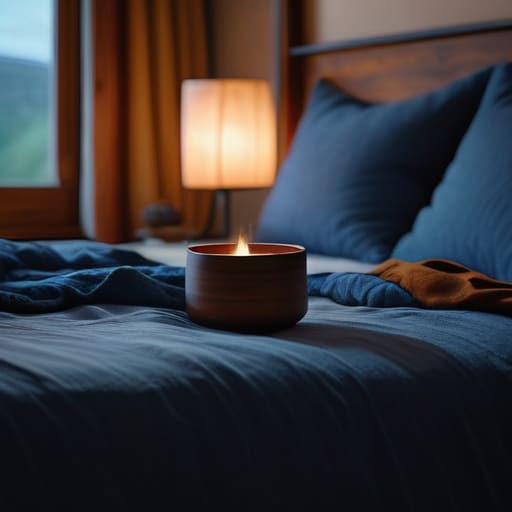
If you are looking for ways to support a partner with insomnia, the first thing you must do is resist the urge to become their sleep coach. I see this constantly in the clinic: a well-meaning spouse who starts policing bedtime, nagging about phone usage, or lecturing on caffeine. It is well-intentioned, but it often backfires. When you turn sleep into a performance review, you inadvertently increase the very anxiety that keeps them awake. Instead, focus on gentle ways to encourage better sleep by addressing the environment rather than the individual.
The most effective support is often invisible. Rather than debating their sleep architecture, look at the room itself. Are you keeping the thermostat at a level that makes it difficult for them to drift off? Is the lighting too harsh in the evening? Creating a restful sleep environment—one that is cool, dark, and predictable—does more for a struggling sleeper than any lecture on “sleep hygiene” ever could. Your goal isn’t to fix them; it’s to reduce the friction in their world so their body can do what it was designed to do.
Key Things to Know

Before you dive into the logistics, you need to understand that you cannot “fix” another person’s sleep. I’ve seen it a thousand times in clinic: a well-meaning partner trying to force a strict schedule on someone, which only adds a layer of performance anxiety to an already exhausted brain. If you are supporting a partner with insomnia, the most important thing you can do is actually stop being their sleep coach and start being their teammate. This isn’t about policing their screen time; it’s about reducing the friction in their life.
Start by looking at the environment rather than the person. Often, the most effective way of creating a restful sleep environment is through small, physical adjustments—lowering the thermostat by a degree or investing in better blackout curtains—rather than trying to “solve” their biology. When you do decide to address it, focus on how to talk about sleep problems without making it a critique of their lifestyle. Approach it from a place of curiosity about their fatigue, not a lecture on their habits. If they have a genuine clinical disorder, no amount of “better habits” from you will bridge that gap, but your patience might make the struggle a little less lonely.
Practical Tips and Steps
If you are trying to support a partner with insomnia, the first thing to understand is that you cannot “fix” them. Sleep is an involuntary biological process, not a task to be managed. Instead of offering unsolicited advice or suggesting they “just relax,” focus on creating a restful sleep environment that works for both of you. This might mean investing in better blackout curtains, lowering the thermostat by a degree or two, or agreeing on a “no screens” rule in the bedroom. Small, environmental adjustments are often far more effective than a lecture on sleep hygiene.
When it comes to the emotional side, learning how to talk about sleep problems is vital to prevent the sleep deprivation impact on relationships from taking root. It is easy for a partner to feel like a burden, or for the person struggling to feel judged. I always suggest using gentle ways to encourage better sleep, such as suggesting a walk at dawn together or adjusting your shared morning routine to be more consistent. Approach it as a team effort against a physiological hurdle, rather than a personality flaw they need to overcome.
Common Mistakes to Avoid
The biggest mistake I see is the “fixer” mentality—the urge to swoop in with a list of demands. When you start lecturing a partner on why they shouldn’t look at their phone or why they need to drink chamomile tea, you aren’t helping; you’re just adding a layer of performance anxiety to their already exhausted brain. Supporting a partner with insomnia requires a delicate touch, not a clinical audit of their evening routine. If they feel judged, they’ll stop being honest about how they’re feeling, and you’ll lose the very connection you’re trying to protect.
Another pitfall is falling for the “more is better” trap. People often think that if their loved one is struggling, they should suggest more supplements, more weighted blankets, or more complex gadgets. This often backfires, turning the bedroom into a laboratory of failed experiments. Instead of obsessing over high-tech solutions, focus on creating a restful sleep environment that is low-pressure and predictable. Sometimes, the best way to assist is to simply lower the temperature in the room and stop treating their lack of rest like a problem that needs to be “solved” by sheer willpower.
Final Thoughts
At the end of the day, helping someone else navigate sleep issues requires a delicate balance of empathy and boundaries. It is easy to fall into the trap of becoming a “sleep police officer,” but that rarely works. If you find yourself constantly monitoring their screen time or nagging them about their caffeine intake, you aren’t actually supporting a partner with insomnia; you are likely just adding to their nighttime anxiety. The goal isn’t to fix them, but to foster an environment where rest feels possible rather than like a chore they are failing at.
Focus on the tangible, low-stakes changes. Instead of debating the merits of melatonin, try creating a restful sleep environment by lowering the thermostat or dimming the lights an hour before bed. If the sleep issues persist, encourage them to seek clinical clarity rather than chasing more data from a wearable. Ultimately, the most effective way to assist is to remain a calm, non-judgmental presence. Sometimes, the best way to help is simply to ensure the bedroom remains a sanctuary, not a battlefield of unsolicited advice.
How to actually support them (without becoming their sleep coach)
- Stop suggesting “sleep hygiene” if they are already doing the basics. If they are already avoiding caffeine and screens but still staring at the ceiling at 3 AM, telling them to “try a lavender pillow” is patronising and useless. At that point, they don’t need a lifestyle tweak; they likely need a clinical assessment.
- Watch for the “compensation cycle.” People sleeping badly often try to make up for it by sleeping in on weekends or taking long naps in the afternoon. This is a trap. It fragments their sleep drive and makes the following night even harder. Help them stick to a consistent wake time, even if they had a terrible night.
- Don’t let them obsess over the data. If they are wearing a ring or a watch that gives them a “sleep score,” and they spend their morning dissecting why they only got 62% efficiency, they are fueling the very anxiety that keeps them awake. Remind them that a gadget is not a polysomnograph; it’s just a collection of guesses.
- Distinguish between “tired” and “sleepy.” You can be exhausted from a long day of work and still not be physiologically sleepy. If they are trying to force sleep when their body isn’t ready, they are just training their brain to associate the bed with frustration. Encourage them to get out of bed if they aren’t drifting off.
- Be the person who validates their struggle rather than the one who “fixes” it. There is a massive difference between someone who is just a bit restless and someone who has been struggling for years and feels ignored by the medical system. Sometimes the best help is simply acknowledging that their exhaustion is real and not just “in their head.”
The Essentials to Remember
Distinguish between lifestyle habits and clinical issues; if someone’s sleep is suffering due to an irregular schedule or a room that’s too hot, “sleep hygiene” might help, but if they have an underlying disorder, they need a specialist, not a lifestyle blog.
Ignore the gadgets; a wearable’s “sleep score” is a mathematical guess, not a clinical measurement, and obsessing over it often creates more anxiety than actual rest.
Focus on consistency over intensity; you can’t force sleep through willpower, so focus on stabilizing wake times and creating a cool, predictable environment rather than trying to “try harder.”
Frequently Asked Questions
How can I tell if they are actually suffering from a clinical sleep disorder like apnea, or if they just have poor sleep hygiene?
The easiest way to tell is to look at the daytime impact versus the nighttime behavior. If they are gasping, choking, or snoring loudly enough to wake you, that’s a physiological red flag for apnea—no amount of “blue light blocking” will fix a blocked airway. But if they’re just tossing and turning because they’re scrolling on their phone until 2 a.m., that’s hygiene. One needs a clinician; the other needs a better routine.
Should I suggest they use a sleep tracker to show me their data, or will that just make their anxiety worse?
Honestly? Don’t. If they’re already struggling, a wearable is just another way to fuel the anxiety loop. Most of these devices are glorified pedometers that guess at sleep stages; they aren’t clinical tools. If you ask for their “data,” you’re just inviting them to obsess over a meaningless sleep score. Instead, ask them to keep a simple, handwritten diary of how they feel when they wake up. That’s much more useful than a gadget’s guesswork.
If I try to help them change their routine, how do I avoid sounding like I'm just telling them to "try harder"?
The trick is to stop treating sleep like a willpower exercise. When you suggest a change, don’t frame it as “you need to be more disciplined.” Instead, frame it as environmental or physiological management. Don’t say, “You need to go to bed earlier”; try, “Let’s see if cooling the room down or fixing your wake-up time shifts your rhythm.” You aren’t asking them to try harder; you’re helping them troubleshoot a biological system.