Stop spending your inheritance on designer mobiles and “sensory-rich” Montessori setups that look more like a high-end boutique than a place for a human being to actually rest. I see it constantly in my clinic—parents coming in exhausted, having spent months obsessing over aesthetic color palettes, yet they’ve completely ignored the fundamental physics of sleep. Most of the advice you find online regarding how nursery environments should be arranged is nothing more than expensive noise that prioritizes visual stimulation over biological necessity. If you’ve built a room that looks like a Pinterest board but feels like a sensory minefield, you aren’t helping your baby sleep; you’re just decorating a room for a child who is perpetually overstimulated.
I’m not here to sell you on a specific brand of organic crib or a curated lifestyle. My goal is to strip away the marketing fluff and talk about the actual physiological requirements of a sleeping infant. I will show you how to prioritize thermal regulation, light hygiene, and acoustic stability so you can stop guessing and start setting your child up for success. We are going to look at the evidence, ignore the influencers, and figure out how to arrange a room that actually works.
Stop Following Pinterest How Nursery Environments Should Be Arranged Matter
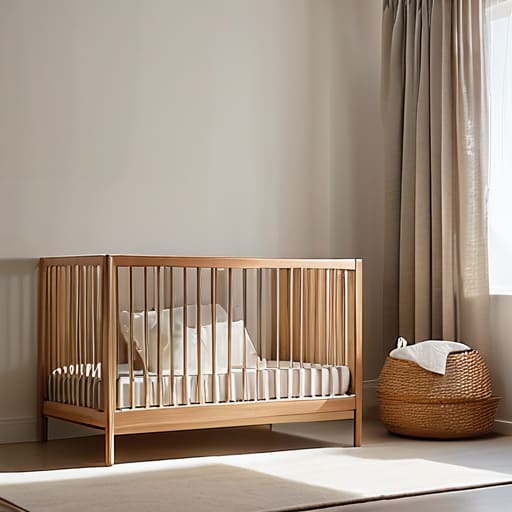
I see it every day in clinic: parents who are utterly exhausted, not because of a physiological sleep disorder, but because their environment is working against them. They spend hours scrolling through curated images of “dreamy” nurseries, placing a beautifully lit reading nook right next to the cot or choosing heavy, velvet drapes that trap heat. In my experience, most Pinterest-inspired setups prioritize aesthetics over the actual biological needs of a developing infant.
If you want to move beyond the fluff, you need to focus on the mechanics of the room. A functional nursery layout for newborn isn’t about color palettes; it’s about minimizing sensory disruptions. This means prioritizing safe crib placement away from windows—which can cause drafts or sudden light shifts—and ensuring you aren’t inadvertently creating a heat trap. Instead of chasing a specific “vibe,” run through a practical infant room safety checklist that accounts for airflow and light control. We need to stop treating the nursery like a stage set and start treating it like a recovery space designed for a very small, very sensitive nervous system.
Why Your Nursery Layout for Newborn Ignores Actual Infant Biology

We tend to design nurseries for the aesthetic pleasure of adults, forgetting that a newborn’s nervous system is essentially an open wound of sensory input. Most parents focus on the “look,” but they neglect how a room actually interacts with an infant’s developing biology. For instance, your choice of optimal nursery lighting isn’t just about whether a lamp looks cozy; it is about protecting the nascent circadian rhythms that are currently being wired in their brain. If you have high-intensity, cool-toned lights positioned right next to the sleeping area, you are inadvertently fighting against their natural melatonin production.
Furthermore, there is a massive gap between a “pretty” room and a biologically supportive one. You might have the most expensive wooden cot in the house, but if your safe crib placement ignores the drafts from a window or the heat radiating from a radiator, you’ve missed the mark. We see this constantly in clinical settings: parents struggling with “fussy” babies when, in reality, the infant is simply reacting to a micro-climate that is too hot or a room layout that feels acoustically chaotic. Your layout needs to serve their physiology, not your interior designer.
The Truth About Optimal Nursery Lighting and Circadian Rhythms
We spend so much time obsessing over the exact shade of sage green on the walls, yet we completely ignore the most powerful biological driver in the room: light. As a physiologist, I see the fallout of “aesthetic” lighting all the time. Parents will install these beautiful, dimmable designer pendants that actually cast a harsh, blue-toned glare across the room during a 3:00 AM feed. This isn’t just a minor inconvenience; it is a physiological disruption. When you flood a baby’s retina with high-intensity or blue-spectrum light in the middle of the night, you are essentially telling their brain that the sun is coming up, effectively resetting their internal clock when you are trying to stabilize it.
Achieving optimal nursery lighting means understanding the difference between “dim” and “biological darkness.” You want a spectrum that mimics the low-frequency warmth of a sunset—think amber or very soft red tones. This allows for necessary nighttime care without triggering a cortisol spike. While you’re checking your infant room safety checklist, don’t just look for loose cords or heavy furniture; look at your light sources. If your nightlight is bright enough to read a book by, it is likely too bright for a developing circadian rhythm.
Ditch the Decor for Strict Baby Sleep Safety Guidelines
We need to talk about the gap between what looks beautiful in a lifestyle magazine and what actually keeps a child safe during the night. I see it constantly in clinic: parents who have spent months perfecting a minimalist aesthetic, only to realize they’ve inadvertently created a high-risk environment. You can have the most expensive, hand-carved wooden crib in the world, but if it’s positioned directly under a heavy window curtain or right next to a radiator, the design is secondary to the danger. When I look at a nursery layout for newborn setup, I’m not looking at the color palette; I’m looking for hazards.
Before you buy that plush, oversized bumper or that decorative floor cushion, please run through a proper infant room safety checklist. The reality is that many of the “cozy” elements people gravitate toward are exactly what we tell parents to avoid to prevent SIDS and accidental suffocation. Safety isn’t a design trend; it’s a non-negotiable physiological requirement. Focus on a firm, flat sleep surface and clear pathways, because once the lights go out, your aesthetic choices won’t matter nearly as much as the physical space around that cot.
Why Safe Crib Placement Is More Than Just Aesthetics
We spend so much time debating whether a crib looks better centered under a window or tucked into a corner, but we rarely talk about the physiological implications of that choice. In my years seeing patients, I’ve learned that a nursery isn’t just a room; it is a controlled environment that needs to support a very fragile respiratory system. When you are designing a nursery layout for newborn life, the placement of the sleep space dictates more than just the “flow” of the room. It dictates how much dust, dander, or even drafts the infant is exposed to during their most vulnerable hours.
If you place a crib directly beneath a window, you aren’t just risking a draft; you are inviting fluctuations in nursery air quality and humidity that can irritate a tiny airway. I see it all the time: parents obsessing over the color of the walls while the crib is positioned right next to a heavy, dust-collecting curtain or a radiator that creates localized heat pockets. Safe crib placement isn’t about making the room look symmetrical for a photo; it’s about ensuring the air around the baby’s face remains stable, clean, and consistent.
An Infant Room Safety Checklist That Ignores Useless Trends
If you want a functional nursery, you need to stop looking at “aesthetic” checklists on Instagram and start looking at physics and biology. A real infant room safety checklist doesn’t care if your mobile matches your linen; it cares about whether that mobile is within reach of a rolling six-month-old. It cares about whether your heavy, decorative floor pillows are creating a suffocation hazard. We spend so much time worrying about the “vibe” of the room that we overlook the actual mechanics of a safe sleep environment.
Forget the trend of “sensory-rich” environments that involve cluttered shelves and hanging trinkets. Instead, focus on the basics of nursery air quality and humidity and the physical clearance around the sleep space. I see too many parents obsessing over the exact shade of sage green on the walls while ignoring the fact that their radiator is positioned directly against the crib, or that their window treatments aren’t properly secured. True safety isn’t a design choice; it is a set of non-negotiable boundaries that prioritize the infant’s ability to breathe and move without obstruction.
The practical reality: 5 non-negotiables for a functional nursery
- Prioritize the “path of least resistance” for night feeds; if you have to navigate a maze of designer ottomans and floor pillows in the dark to reach the crib, you’re inviting unnecessary cortisol spikes for both you and the baby.
- Manage your thermal environment by keeping the room between 16 and 20 degrees Celsius; I see so many parents overcompensating for a draft with heavy, layered textiles that actually create a microclimate of overheating, which is a primary disruptor of infant sleep cycles.
- Create a dedicated “low-stimulation zone” for diaper changes that avoids overhead, blue-toned lighting; use a dim, warm-spectrum lamp instead, because sudden bright lights are a physiological signal to the brain that the day has begun, regardless of the hour.
- Stop treating the nursery like a showroom and start treating it like a sensory control room; keep high-contrast, visually stimulating toys out of the immediate line of sight from the crib to prevent unnecessary ocular stimulation during the night.
- Ensure the air quality isn’t compromised by “scented” nursery trends; skip the heavy diffusers and scented candles that people think create a “calming” atmosphere, as these can irritate sensitive respiratory systems and actually disrupt the very sleep you’re trying to encourage.
The reality check for your nursery setup
Stop prioritizing how the room looks on a screen; a nursery’s success is measured by its ability to support biological rhythms and safety, not by how well it matches a color palette.
Understand that “sleep hygiene” for an infant isn’t about fancy gadgets or dimmers, but about consistent environmental cues—specifically light, temperature, and a predictable, safe physical space.
Distinguish between aesthetic trends and physiological needs; if your layout compromises airflow or circadian stability, no amount of expensive decor will fix a baby’s disrupted sleep patterns.
Frequently Asked Questions
If I can't use a sleep tracker to monitor my baby's sleep cycles in the nursery, how do I actually know if the environment is working?
Stop looking at the app; your baby isn’t a data point, and those consumer trackers are notoriously unreliable for infants. Instead, watch the transitions. If your baby is waking frequently with high-pitched, frantic crying, the environment is likely fighting their biology—usually temperature or light. If they wake but settle quickly once you adjust the room, you’ve found your culprit. Trust their physiological cues and your own observations over a dubious sleep score.
My baby seems restless even when the room is cool and dark; could it be a physiological issue rather than just a bad room layout?
If the room is cool, dark, and safe, stop looking at the furniture and start looking at the physiology. As a sleep physiologist, I see this constantly: parents fixating on the environment while missing the biological cues. Restlessness can be a sign of genuine respiratory effort, digestive discomfort, or even a circadian mismatch. If the “sleep hygiene” is perfect but the restlessness persists, it’s time to move past the nursery layout and consult a professional.
How much does the timing of my own wake-up routine affect my baby's ability to settle in their nursery?
It’s a fair question, and the answer is more biological than you might think. Your baby isn’t just reacting to your presence; they are mirroring your circadian rhythm. If your wake-up routine is erratic—shuffling around, turning on bright overhead lights, or making sudden noise at varying intervals—you are essentially sending mixed signals to their internal clock. Consistency in your own morning rhythm helps anchor theirs. Stability for you provides the environmental predictability they crave.