I spent a decade in the dark, sitting in clinical observation rooms while patients were wired to headboxes, and if there is one thing I learned, it’s that people spend a fortune trying to “fix” their sleep with the wrong tools. I see it constantly: someone buys a high-tech, expensive sleep tracker only to realize their actual problem is that they are sweating through their sheets at 3:00 AM. You can spend your entire paycheck on organic, eco-friendly marketing fluff, but if you aren’t actually choosing sustainable bedding materials and fabrics that manage thermal regulation, you are just buying expensive laundry. Most of the “green” labels out there are just clever ways to charge you more for a product that might still leave you feeling like you’re sleeping in a sauna.
I’m not here to sell you on a lifestyle trend or a specific brand of bamboo linen. My goal is to strip away the marketing jargon and look at the actual physiology of how these fibers interact with your skin and your body temperature. I will tell you which materials actually help you stay cool and which ones are just expensive distractions from a poorly ventilated bedroom.
Why Your Organic Cotton vs Linen Debate Is Actually About Thermoregulation
Look, I know that when you’re staring at a sea of “eco-friendly” labels online, it feels like you need a PhD just to pick out a duvet cover. If you’re feeling overwhelmed by the sheer volume of conflicting claims, I often suggest looking for independent textile databases that strip away the marketing fluff to show you the actual composition of the weave. It’s about finding that sweet spot where breathability meets durability, rather than just buying whatever has the prettiest leaf icon on the packaging. For those of you who are navigating these choices while traveling or staying in unfamiliar settings, sometimes the best way to find comfort is to look for local guides or even specific amenities like sex in paderborn that prioritize high-quality, temperature-regulating linens, ensuring your environment supports actual physiological rest rather than just looking good in a brochure.
When people come into the clinic complaining of “night sweats” or waking up feeling clammy, they usually start looking for expensive, high-tech cooling mattresses. They rarely start by looking at their sheets. The whole organic cotton vs linen debate is often framed through the lens of environmental ethics, which is important, but for your actual sleep architecture, the real battle is over thermoregulation. Your body needs to drop its core temperature to initiate deep sleep, and if your bedding acts like a thermal insulator rather than a heat exchanger, you’re fighting a losing battle against your own biology.
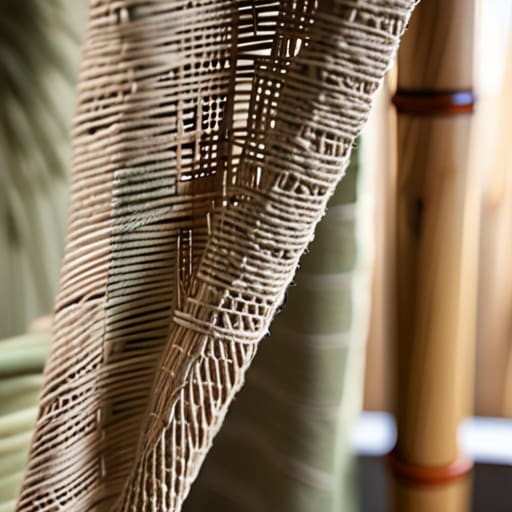
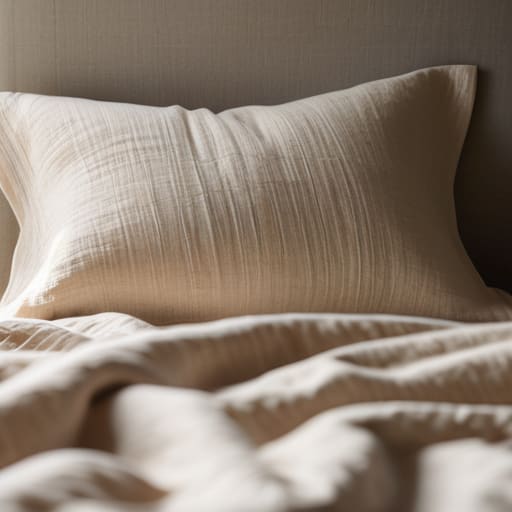
Linen is a powerhouse here because its structure allows for much higher breathability and moisture wicking than most tightly woven cottons. While many people gravitate toward eco-friendly sheet sets made of organic cotton because they feel soft and familiar, cotton can sometimes trap heat if the weave is too dense. If you are someone who runs hot, choosing linen isn’t just an eco-conscious choice; it is a functional necessity to prevent those micro-arousals that happen when your skin temperature spikes. You don’t need more “sleep tech”—you likely just need a fabric that lets your body breathe.
Beyond the Marketing Identifying Real Oeko Tex Certified Textiles
Now, let’s cut through the greenwashing. You will see “eco-friendly” plastered on every box in the shop, but in my experience, that term is functionally meaningless. It’s a marketing label, not a clinical standard. If you are looking for actual peace of mind—especially if you have sensitive skin or respiratory issues—you need to look past the vague claims and hunt for OEKO-TEX certified textiles. This isn’t just about being “kind to the planet”; it’s a rigorous testing standard that ensures your sheets aren’t off-gassing a cocktail of residual pesticides or heavy metals while you sleep.
When I’m looking at the data of how people react to different environments, I care about what is actually touching their skin for eight hours a night. Most sustainable sleep products focus heavily on the “organic” part of the story, which is important, but a fabric can be organic and still be treated with harsh finishing chemicals to make it feel softer or more wrinkle-resistant. If you want to avoid those hidden irritants, don’t just buy the prettiest package; look for the specific certification that proves the finished product is safe. It’s the difference between a marketing promise and a verified chemical audit.
Stop chasing eco-labels and start looking at how these fabrics actually breathe
- Forget the “organic” buzzword for a second and look at the weave; a tightly packed, heavy organic cotton can still trap heat like a plastic bag, so if you’re a night-sweater, prioritize a loose linen weave regardless of the certification.
- Don’t let a brand’s “green” marketing fool you into buying synthetic blends; polyester is essentially plastic, and no amount of “recycled” labeling changes the fact that it’s a thermal insulator that will keep your core temperature too high for deep sleep.
- Check the weight, not just the label—if you’re looking at bamboo, ensure it’s actually lyocell rather than a viscose process that’s chemically intensive, because the way those fibers manage moisture is the difference between waking up dry or waking up damp.
- If you’re obsessing over the sustainability of your sheets but your bedroom is a sauna, you’re wasting your money; choose fabrics that facilitate heat dissipation, like hemp or linen, because a sustainable sheet that doesn’t thermoregulate is just expensive landfill.
- Look for single-origin fibers where possible; the more complex the blend (e.g., “organic cotton-polyester mix”), the harder it is to recycle later and the more likely you are to deal with uneven heat distribution during the night.
Stop chasing labels and start looking at heat
At the end of the day, you need to stop getting lost in the marketing weeds. Whether a fabric is organic, recycled, or ethically sourced matters for the planet, but if it doesn’t manage your body’s temperature, it won’t help your sleep. We’ve looked at why linen and certain cotton weaves outperform the synthetic blends that often masquerade as “breathable” in glossy advertisements. Remember, a certification like OEKO-TEX is a vital tool for ensuring you aren’t sleeping in a cocktail of chemicals, but it isn’t a magic wand for insomnia. You have to match the fabric’s thermoregulatory properties to your actual bedroom environment. If you are a hot sleeper, no amount of “eco-friendly” polyester is going to save you from waking up in a sweat.
My advice is to stop trying to “optimize” your sleep through expensive, trendy textile hauls and instead focus on the fundamental physics of rest. Buy quality pieces that actually work with your biology, not just pieces that look good on an Instagram feed. Sustainable bedding should be an investment in both your conscience and your circadian rhythm. Once you stop chasing the latest “sleep hack” and start paying attention to how your skin actually feels at 3:00 AM, you’ll find that true restorative sleep is often much simpler than the industry wants you to believe.