I remember sitting in a dimly lit sleep lab at 3:00 AM, watching the monitor as a patient’s brain waves performed a bizarre, jagged dance while their body remained physically active. It’s a jarring sight—seeing someone sleepwalk or act out a dream while their physiological markers tell a completely different story. Most people think these episodes are some mysterious, supernatural glitch, but when you strip away the fear, there is a very specific biological mechanism behind how parasomnias work. They aren’t “ghosts in the machine”; they are instances where the brain’s transition between sleep stages gets stuck in the doorway, leaving the body halfway between dreaming and waking.
I’m not here to sell you a magnesium supplement or a piece of silicon you wear on your wrist that claims to “decode” your subconscious. My goal is to give you the clinical reality without the fluff. I want to explain the actual architecture of these disruptions so you can distinguish between a simple bad habit and a genuine neurological event. We are going to look at the evidence-based mechanics of what is actually happening in your brain, so you can stop guessing and start understanding.
Not Just Bad Dreams Learning How Parasomnias Work
To understand why someone might suddenly start thrashing or walking in their sleep, you have to stop thinking of sleep as a single, flat state of unconsciousness. It is actually a series of highly orchestrated shifts between different neurological states. Most parasomnias occur because of a glitch during sleep stage transitions, where the brain gets stuck in a sort of “halfway house” between being fully awake and deeply asleep.
When we talk about non-REM sleep disturbances, we are usually looking at an issue where the body hasn’t quite “disconnected” from the waking world. In a healthy night, your brain manages the switch between light and deep sleep seamlessly. However, if those transitions are disrupted, you might experience episodes of sleepwalking or even complex movements that feel entirely involuntary. It is quite different from the more rhythmic, often more intense movements seen in REM sleep behavior disorder, where the natural paralysis that usually keeps us still during dreaming fails to kick in. Understanding this distinction is vital; one is a hiccup in the deep sleep architecture, while the other is a specific issue with how your brain handles the dreaming phase.
The Glitch in Your Sleep Cycle Stages and Arousal
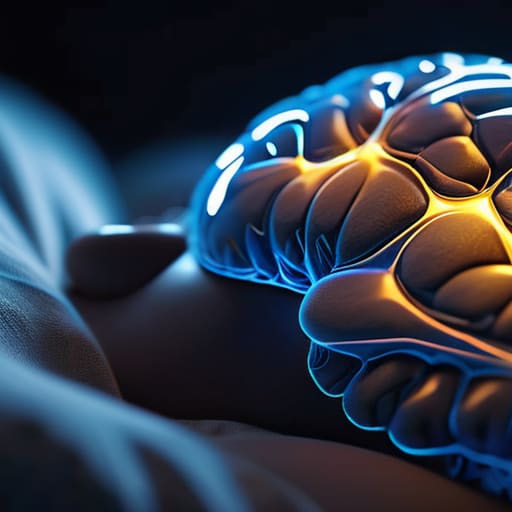
To understand why someone might suddenly sit up, shout, or wander in the middle of the night, you have to stop thinking of sleep as a single, flat state. It isn’t. It’s a complex, rhythmic choreography of sleep cycle stages and arousal. Normally, as you move from light sleep into deeper stages, your brain performs a sort of “safety check,” ensuring your muscles are sufficiently relaxed and your consciousness is properly tucked away.
A parasomnia occurs when there is a breakdown in these sleep stage transitions. It’s essentially a partial arousal; your brain is caught in a strange, liminal space where you are physiologically awake enough to move or speak, but your cortical awareness remains firmly asleep. This is why someone might appear to be “awake” while performing a complex task like sleepwalking, yet they are completely unresponsive to their surroundings. While some people worry about neurological causes of sleepwalking, most of what I see in the clinic is a glitch in the timing of these transitions. It’s not that the person is “awake” in the way you or I understand it; it’s that their brain has simply failed to complete the hand-off between stages.
When Sleep Stage Transitions Fail to Keep You Still
Think of your sleep cycle as a series of carefully choreographed transitions. In a healthy night, you move from light sleep to deep sleep, and eventually into REM, with each stage acting as a buffer. But with parasomnias, that buffer fails. Instead of a smooth handover, you experience a sort of neurological “stutter” where the brain gets stuck between states. You aren’t fully awake, but you aren’t deeply asleep either; you are caught in a liminal space where the body begins to act out while the consciousness remains offline.
This is why many non-REM sleep disturbances feel so bizarre and disconnected. In these moments, the motor system essentially “wakes up” before the cognitive brain has had a chance to catch up. It’s not a conscious choice, and it’s certainly not a lack of willpower. While some people worry about the neurological causes of sleepwalking or more complex movements, it often comes down to these specific, messy sleep stage transitions failing to maintain the necessary level of sedation. It is a breakdown in the brain’s ability to keep the “lights off” while the “machinery” is still running.
Distinguishing Non Rem Sleep Disturbances From Something More Serious
Here is where the clinical distinction becomes vital. Most of the “acting out” I see in the clinic falls under the umbrella of non-REM sleep disturbances. These are typically those confusing, semi-conscious episodes—like sleepwalking or sleep terrors—that happen when the brain is stuck in a sort of halfway house between deep sleep and waking. For most people, these are isolated incidents, often triggered by stress or a sudden change in sleep deprivation. They aren’t “broken” brains; they are just clumsy sleep stage transitions where the body hasn’t quite received the memo to stay still.
However, we have to look closer when the behavior shifts from “clumsy” to “purposeful.” If you or a partner are physically acting out vivid, often violent dreams—punching, kicking, or leaping out of bed—we move away from simple developmental glitches and into the territory of REM sleep behavior disorder. Unlike the confused wanderer, someone with RBD is experiencing a failure of the muscle atonia that should naturally paralyze us during dreaming. This is a different beast entirely, often requiring a much more rigorous neurological investigation rather than just a lecture on sleep hygiene for parasomnia prevention.
Is It Rem Sleep Behavior Disorder or Something Else
This is where we have to draw a very firm line in the sand. Most of the people I see in clinic are dealing with non-REM sleep disturbances—things like sleepwalking or sleep terrors that happen when the brain is caught in a sort of halfway house between deep sleep and waking. But then there is REM sleep behavior disorder, and that is a completely different beast. In a normal sleep cycle, your brain essentially paralyzes your muscles to keep you from acting out your dreams. In RBD, that paralysis fails. You aren’t just stirring or mumbling; you are physically acting out vivid, often violent dreams.
If you tell me you’re punching the air or jumping out of bed during a dream, I’m not going to suggest you try a bit of better sleep hygiene or a cooler bedroom. We need to look much deeper. While many parasomnias are just glitches in how your brain handles sleep stage transitions, RBD is often linked to much more significant neurological causes of sleepwalking and other motor functions. It’s the difference between a temporary hiccup in your routine and a signal from your nervous system that requires a specialist’s eyes.
From Neurological Causes of Sleepwalking to Managing Sleep Disorder Safety
When we look at why these episodes happen, we have to move past the idea that it’s just “stress.” While stress is a massive trigger, we cannot ignore the underlying biology. There are genuine neurological causes of sleepwalking and other parasomnias that involve how the brain processes arousal during those deep, non-REM sleep stages. Sometimes, it’s a matter of how the brain’s “switch” between sleep stages and wakefulness is wired. If that switch is sticky, you end up in a state of partial arousal—where your body is moving, but your conscious mind is still firmly tucked away in deep sleep.
Because these episodes aren’t always under your control, the focus often shifts from “fixing” the brain to managing sleep disorder safety. This isn’t about being alarmist; it’s about practical reality. If you are prone to these transitions, your bedroom needs to be a controlled environment. This means clearing the floor of trip hazards and ensuring doors are secure. We also look closely at sleep hygiene for parasomnia prevention—not the generic “don’t use your phone” advice, but specifically managing things like alcohol intake and sleep deprivation, which are notorious for destabilising your sleep architecture.
How to manage the "glitch" without losing your mind
- Stop trying to “will” yourself out of a parasomnia. If you are experiencing a non-REM event like sleepwalking, your brain is essentially stuck between being awake and being asleep; you can’t reason with a brain that isn’t fully online, so focus on environmental safety rather than mental discipline.
- Watch your wake-up times like a hawk. I know it sounds counterintuitive, but irregular sleep schedules and sleep deprivation are massive triggers for these “glitches”—if your sleep architecture is unstable, your transitions between stages become much more prone to error.
- Don’t trust your wearable’s “sleep stage” data to diagnose these episodes. Your tracker might tell you that you were in deep sleep when you were actually experiencing a parasomnia, but it can’t tell the difference between a physiological transition and a neurological event; if it’s happening, trust your lived experience over a wrist-based algorithm.
- Keep a “trigger diary” that actually matters. Forget tracking your mood or your steps; I want to know if you had caffeine late, if the room was too hot, or if you’ve been under massive physiological stress—these are the things that destabilize your sleep stages and invite parasomnias in.
- Prioritize “sleep hygiene” that actually has evidence, specifically temperature control. A bedroom that is too warm can lead to fragmented sleep and more frequent arousals, which is exactly when those messy, incomplete transitions between sleep stages are most likely to occur.
The essentials to remember
Parasomnias aren’t “bad habits” or a lack of willpower; they are physiological glitches in how your brain transitions between sleep stages.
Stop looking at your wearable’s sleep score to diagnose these episodes—a consumer tracker cannot tell the difference between a restless night and a complex neurological event.
Knowing the difference between a simple sleepwalking episode and something like REM Sleep Behaviour Disorder is vital, as the management and clinical approach for each are worlds apart.
Frequently Asked Questions
If my sleep tracker says I'm in deep sleep, but I've just woken up mid-walk, does that mean the device is actually reading my brain waves?
No, it isn’t. If your tracker says you’re in deep sleep while you’re mid-stride on a dawn walk, it’s not reading your brain waves; it’s guessing. To see actual EEG data, you need electrodes stuck to your scalp in a clinical setting. Most wearables use movement and heart rate to make an educated guess. They are notoriously bad at distinguishing between stillness and actual restorative sleep. Trust your legs, not the wristband.
Can you tell the difference between a one-off episode caused by stress and a neurological issue that needs a clinical sleep study?
It’s the question I get most often in clinic. If it’s a one-off after a week of high stress or a sleepless night, it’s usually just your nervous system struggling to transition between stages. But if these episodes are becoming a pattern—or if you’re physically hurting yourself or someone else—that’s when we stop guessing. Stress is a trigger, but it isn’t always the cause. If it’s recurring, you need a clinical study, not just a lifestyle change.
Why does it feel like I'm wide awake during an episode, even though I'm technically still in a state of non-REM sleep?
It feels that way because your brain is essentially caught in a tug-of-war. During a non-REM parasomnia, your brain is stuck in a state of “partial arousal.” While your physiological markers—your brain waves and breathing—show you are technically still in a deep sleep stage, your consciousness has flickered on. You’re experiencing a neurological mismatch: your body is operating on a sleep program, but your awareness has been prematurely dragged into the light.