I spent ten years in the dark, sitting in windowless sleep labs, watching the EEG traces of people whose lives were being systematically dismantled by their schedules. I’ve seen it a thousand times: a patient arrives looking absolutely hollowed out, clutching a wearable device that tells them they had “poor sleep quality,” as if a colorful graph could somehow fix the biological chaos they’re living through. The truth is, most of the advice you get about how shift work disrupts sleep is patronizing nonsense—telling you to “just stick to a routine” or “avoid caffeine” is like telling a person in a storm to just try harder to stay dry. It ignores the fundamental reality that your internal clock is being forced into a violent tug-of-war with the sun.
I’m not here to sell you a magnesium supplement or a $300 sleep ring that misinterprets your restlessness. My goal is to strip away the fluff and look at the actual physiological mechanics of what is happening to your circadian rhythm when you’re forced to live against the grain. We are going to talk about why your body is fighting you, how to distinguish between a lifestyle struggle and a genuine clinical disorder, and what you can actually control when your schedule is completely out of sync with the world.
The Biological Lie How Shift Work Disrupts Sleep and Your Body
The problem isn’t that you’re “lazy” or “bad at sleeping”; it’s that you are asking your brain to perform a biological impossibility. Your body is governed by an internal clock—your circadian rhythm—that expects the sun to go down and the world to quiet down. When you’re working a night shift, you aren’t just fighting tiredness; you are fighting millions of years of evolution. You are trying to force your brain into a state of rest precisely when your biology is screaming at you to be alert, fueled by the rising sun.
This is where the real damage happens. When you’re trying to sleep during the day, you’re battling a massive suppression of melatonin production and night shifts that were never meant to overlap. Even if you pull the blackout curtains tight, your internal systems can sense the shift in the environment. This isn’t just about feeling groggy; it’s a fundamental circadian rhythm disruption that leaves your hormones, your digestion, and your temperature regulation in a state of constant, confused flux. You aren’t just tired—you are biologically out of sync.
Circadian Rhythm Disruption Why Your Internal Clock Is Broken
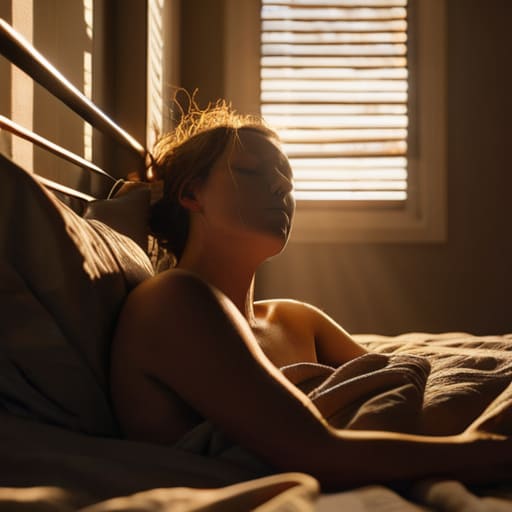
Think of your circadian rhythm as a master conductor. In a perfect world, this conductor follows a predictable score, signaling when to be alert and when to wind down. But shift work doesn’t just ask the conductor to change the tempo; it asks them to play a completely different symphony in the middle of the night. When you are forced to sleep while the sun is rising, you aren’t just fighting tiredness; you are fighting a fundamental biological signal.
The real problem lies in the chemical fallout. Your brain relies on a very specific, predictable sequence of melatonin production and night shifts that simply do not align. As the morning light hits your retinas, your brain receives a “wake up” signal, even if you’ve only been in bed for three hours. This creates a state of permanent physiological confusion. You might try every trick in the book for sleep hygiene for shift workers, but if you are trying to force a biological shutdown while your internal clock is screaming that it’s breakfast time, you aren’t just dealing with a bad night—you are experiencing a profound systemic mismatch.
The Melatonin Myth Melatonin Production and Night Shifts Explained
We need to talk about melatonin, because it’s become the ultimate “magic pill” in the wellness industry, and most people are using it completely wrong. In a perfect world, your pineal gland waits for the sun to go down before it starts pumping out melatonin to signal that it’s time to drift off. But when you’re working a night shift, you are essentially asking your brain to perform a biological miracle. You are trying to force melatonin production and night shifts to coexist, which is like trying to run a marathon in the middle of a thunderstorm; the signals are just fundamentally crossed.
The problem isn’t just the timing; it’s the environment. Most shift workers head home in the bright morning light, and that sudden blue light exposure and sleep disruption tells your brain the day has begun, effectively slamming the door on any natural melatonin surge. I see so many patients who try to fix this by popping a high-dose supplement at 8:00 AM, but they’re fighting a losing battle against their own biology. You can’t simply supplement your way out of a broken rhythm if you haven’t addressed the light hitting your retinas.
Blue Light Exposure and Sleep Why Your Morning Sun Is Failing You
We’ve all heard the lecture: “Put the phone away an hour before bed.” For someone working a graveyard shift, that advice is almost insultingly simplistic. The problem isn’t just that you’re looking at a screen; it’s that you are trying to force a physiological shutdown while the world is screaming “wake up” through every window and LED. When you finish a shift at 7:00 AM, you aren’t just tired—you are stepping directly into a biological ambush.
The issue with blue light exposure and sleep in a shift-work context is that the light isn’t just a distraction; it is a powerful chemical signal. Even if you’re wearing sunglasses on the drive home, that morning glare is hitting your retinas and telling your brain that the day has begun. This suppresses what little melatonin you have left, making the subsequent attempt at sleep feel like you’re trying to park a car while someone is constantly hitting the accelerator. It isn’t a lack of willpower; it is a direct conflict between your environment and your biology.
Beyond Bad Habits Managing Sleep Deprivation in a 247 World
I need to be very clear about this: if you are working rotating shifts, telling you to “just practice better sleep hygiene” is like telling someone in a thunderstorm to carry a better umbrella. It’s patronizing and, frankly, scientifically hollow. Standard sleep hygiene—the kind that focuses on dimming lights and avoiding caffeine—is designed for people with a predictable 9-to-5 existence. For those of you navigating the chaos of a 24/7 roster, the goal isn’t perfection; it is harm reduction.
When you are constantly battling circadian rhythm disruption, you aren’t fighting a lack of willpower; you are fighting your own biology. Instead of chasing an impossible ideal, focus on the anchors you can control. This means being ruthlessly consistent with your “dark period” after a shift, regardless of what the sun is doing, and treating your sleep environment like a clinical sanctuary—cool, pitch-black, and silent. We aren’t looking for a perfect night’s sleep; we are looking to stabilise the volatility of your rest so your body doesn’t feel like it’s perpetually crashing.
Real Sleep Hygiene for Shift Workers What Actually Works
Most “sleep hygiene” advice is written for people who work nine-to-five, which is why it feels so patronizing when you’re staring at the ceiling at 10:00 AM. Telling a night nurse to “avoid caffeine after 2:00 PM” is useless. Instead, we need to talk about strategic environmental control. If you are coming off a night shift, your goal isn’t just “relaxation”—it is the aggressive suppression of light. This means blackout curtains that actually work, or a high-quality eye mask, because even a sliver of morning sun hitting your retina can signal your brain to halt melatonin production and night shifts become an uphill battle against your own biology.
Secondly, stop obsessing over your wearable’s sleep score and start looking at your temperature. Your body needs a drop in core temperature to initiate deep sleep, yet most people try to sleep in a bedroom that is far too warm. If you’re trying to manage the effects of irregular sleep schedules, invest in a cooling mattress pad or at least crack a window. You aren’t failing at sleep; you are simply trying to sleep in an environment that is biologically shouting “wake up!”
The Shift Worker’s Survival Kit: What Actually Moves the Needle
- Stop trying to “fix” your sleep hygiene on your days off. If you spend your weekend trying to live like a 9-to-5er, you aren’t resting; you’re just giving your circadian rhythm whiplash. Consistency, even if it’s an unconventional consistency, is your only real ally.
- Control your light exposure like it’s a prescription. If you’re finishing a night shift, wear the darkest sunglasses you can find on the commute home. You need to trick your brain into thinking the sun hasn’t come up yet, otherwise, that morning light is telling your biology to start the engine before you’ve even hit the pillow.
- Forget the “sleep score” on your watch. If your tracker tells you that you had “poor quality sleep” after a night shift, ignore it. Those devices are looking for patterns that don’t exist in a fragmented, shift-based schedule. They aren’t measuring your health; they’re just measuring how much your body is struggling to adapt.
- Temperature is non-negotiable. Most people I see in clinic are trying to sleep during the day when the world is heating up. Your core temperature needs to drop to initiate deep sleep. If your bedroom isn’t significantly cooler than the rest of the house, you’re fighting a losing battle against your own physiology.
- Be ruthless about your wake-up time, even when it feels impossible. I always ask what time you get up before I ask when you went to bed, because your wake time is the anchor for your entire biological clock. Even on your “off” days, try to keep your rising time within a reasonable window to prevent your internal clock from drifting into total chaos.
The Bottom Line for Shift Workers
Stop blaming your willpower; shift work creates a biological mismatch between your schedule and your internal clock that no amount of “trying harder” can fix.
Your wearable’s sleep score is a guess, not a diagnosis—it can’t tell the difference between a genuine circadian rhythm disorder and the fragmented sleep caused by a rotating roster.
Focus on the variables you can actually control: consistent wake times (even on days off), aggressive light management, and keeping your bedroom temperature low to mimic a natural nighttime environment.
Frequently Asked Questions
If my wearable says I slept eight hours after a night shift, why do I still feel like I’ve been hit by a bus?
Because your wearable is measuring movement and heart rate, not brain waves. It sees you lying still in a dark room and checks the “eight hours” box, but it can’t tell the difference between restorative deep sleep and the fragmented, shallow tossing-and-turning that happens when you’re fighting your biology. You haven’t actually slept; you’ve just been unconscious while your circadian rhythm screams that it’s midday. Your tracker is giving you a data point, not a quality report.
Is there a way to tell if my exhaustion is just a result of my schedule, or if I’ve developed a genuine sleep disorder that needs clinical intervention?
It’s the question I get asked most in clinic. Here is the blunt truth: if your exhaustion vanishes during a week of consistent, daytime sleeping, it’s likely your schedule. But if you’re sleeping ten hours in a dark, cool room and still waking up gasping, or if you find yourself falling asleep mid-conversation despite “catching up,” that’s not just a bad shift pattern. That’s a clinical red flag. Don’t mistake biological misalignment for a disorder, but don’t ignore a disorder just because you’re busy.
I've tried every "sleep hygiene" tip in the book, but when you're working against the sun, does any of it actually matter?
It matters, but not in the way the influencers tell you. Most “sleep hygiene” advice assumes you have the luxury of a predictable rhythm. If you’re heading home at 7:00 AM, drinking chamomile tea won’t fix a biological mismatch. However, small, tactical adjustments—like blackout curtains that actually work and aggressive light management—can dampen the chaos. We aren’t trying to “fix” your rhythm; we’re just trying to stop the daylight from sabotaging what little rest you can get.