I spent a decade in the dark, sitting in windowless sleep labs while patients lay wired to headboxes, and if there is one thing I’ve learned, it’s that most “sleep sanctuary” advice is absolute nonsense. You see these endless Pinterest boards teaching you how to style bedroom lighting for relaxation using expensive salt lamps or intricate, layered dimmers, but they completely ignore the biology of what’s actually happening in your brain. People are spending hundreds of pounds on aesthetic “mood lighting” when they should be focusing on the spectral composition of their bulbs and the timing of their light exposure. It’s frustrating to watch people chase a specific “look” while their circadian rhythm is being absolutely hammered by a single, poorly placed blue-toned LED.
In this guide, I’m not going to tell you which scented candle matches your duvet or how to layer pendant lights for a magazine spread. Instead, I’m going to give you the clinical reality of how light affects your melatonin production and how to actually set up your space to signal to your nervous system that the day is done. We are going to cut through the interior design fluff and focus on evidence-based lighting that actually works for your physiology.
Why Warm Color Temperature for Sleep Actually Matters
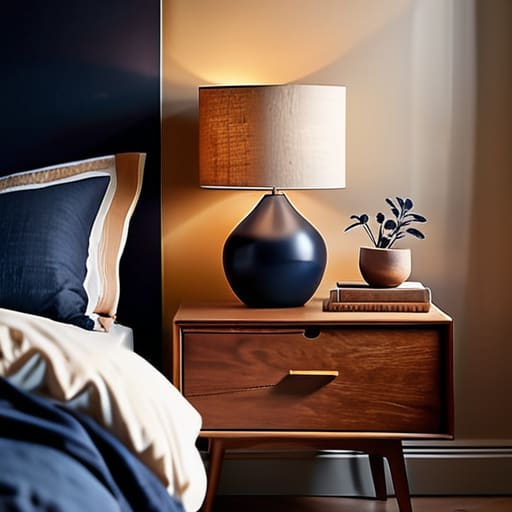
When I’m sitting in clinic with a patient who is convinced they have a catastrophic sleep disorder, I often find the culprit isn’t their brain, but their lightbulbs. We talk a lot about melatonin in the lab, but people forget that melatonin is essentially a hormone triggered by darkness. If you are sitting in a room flooded with “daylight” or cool-toned LEDs, you are effectively telling your brain it is 2:00 PM. Using a warm color temperature for sleep isn’t about making a room look “cozy” for an Instagram photo; it is about biological signaling. Warm, amber tones mimic the sunset, providing the necessary cue to your brain that the day is winding down.
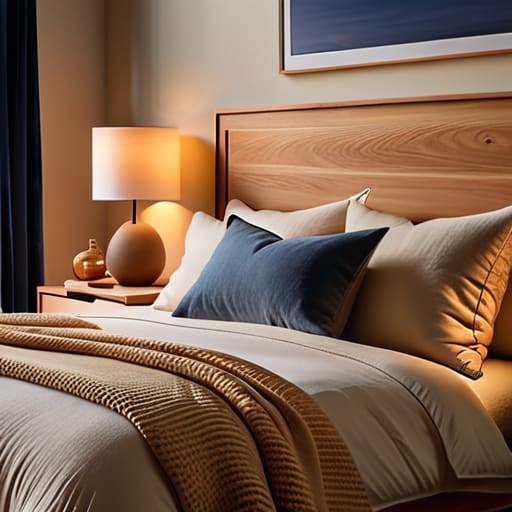
This is where most people fail: they rely on a single, harsh overhead light that kills the mood and the melatonin. To actually support your physiology, you need to move toward layered lighting techniques for bedrooms. I always suggest swapping that bright ceiling fixture for dimmable bedside lamps that cast a low, soft light. By keeping the light source low to the ground and away from your direct line of sight, you prevent that sudden spike in cortisol that happens when you flip a switch.
The Truth About Ambient vs Task Lighting in Bedroom Design
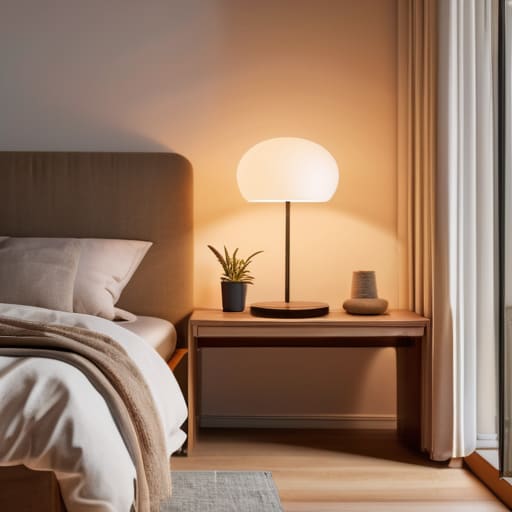
When people talk about “setting the mood” for sleep, they usually default to one of two extremes: a single, harsh overhead light or a sea of scented candles. Both are practically useless for actual physiological regulation. In my clinic, I see the fallout of people trying to force relaxation in rooms that are either too bright or too dark to signal anything meaningful to the brain. The real secret isn’t about aesthetics; it’s about understanding the functional difference between ambient vs task lighting in bedroom design.
Ambient lighting should be your baseline—a low-level, non-intrusive wash that doesn’t trigger a cortisol spike. I’m talking about soft glow accent lighting tucked away in corners or behind furniture, rather than a central fixture that mimics high noon. Task lighting, on the other hand, is for when you’re actually doing something, like reading a physical book. This is where dimmable bedside lamps become non-negotiable. If you can’t control the intensity of the light hitting your eyes, you aren’t controlling your environment; you’re just hoping for the best.
Practical ways to light your room without sabotaging your circadian rhythm
- Get rid of the “big light.” If your main bedroom light is a single, harsh overhead fixture, you’re essentially hitting your brain with a strobe light the moment you walk in. Switch to floor lamps or dimmable bedside lights that sit lower in your field of vision; it mimics the setting sun and tells your brain the day is actually over.
- Stop buying “smart bulbs” just because they’re trendy. Most of them have terrible color rendering, and if you’re fiddling with an app to find the perfect “sunset” hue at 11 PM, you’re just adding more blue light and cognitive load right when you should be winding down. Stick to high-quality, warm-toned LED bulbs that stay consistent.
- Check your light leakage. I see this constantly in the clinic—people who think they have sleep onset insomnia when they actually just have a gap in their curtains letting in streetlights. If you’re styling with lamps, ensure they aren’t positioned in a way that creates glare against your pillows or windows.
- Prioritize “indirect” light. Instead of a lamp that points straight down at your book, try something that bounces light off a wall or a corner. It softens the shadows and creates a diffused environment that feels much more conducive to lowering your cortisol than a sharp, direct beam.
- Separate your “task” light from your “rest” light. If you need to read, use a small, focused reading light that doesn’t spill across the whole room. You want to create a tiny island of light for your activity, leaving the rest of the bedroom in a gentle, low-level gloom that encourages melatonin production.
Beyond the Lightbulbs
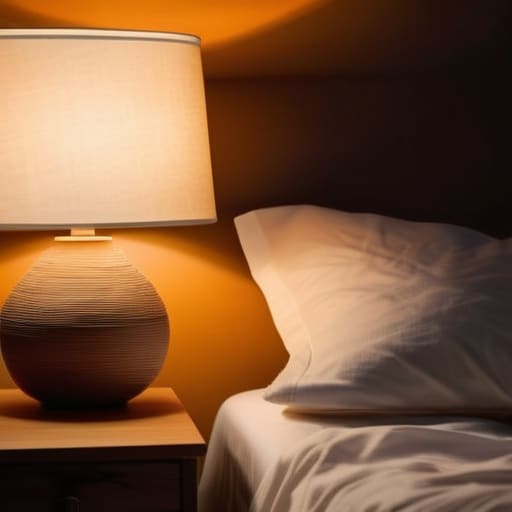
At the end of the day, styling your bedroom lighting isn’t about chasing a Pinterest aesthetic or buying the most expensive smart-bulb system on the market. It is about creating a physiological signal to your brain that the day is over. We have talked about why warm color temperatures matter for your melatonin production and why you need to stop relying on harsh overhead lights when you are trying to wind down. If you can manage to separate your task lighting from your ambient glow and keep the room dim and cool, you are already doing more for your sleep hygiene than most of the “wellness gurus” on my social media feed. Remember, lighting is a tool for regulation, not just a way to make a room look pretty for guests.
I know how exhausting it is to feel like you are constantly fighting your own body just to get a few hours of rest. But please, don’t let the pursuit of the “perfect” bedroom become another source of performance anxiety. If you fix your lighting and your wake times, but you are still waking up gasping or feeling like you haven’t slept at all, stop searching for more decor tips and go see a specialist. There is a massive difference between a poorly lit room and a clinical sleep disorder, and you deserve to know which one you are dealing with. Sleep shouldn’t be a struggle you have to win; it should be something that happens naturally when you finally give your body the right environment to let go.
It’s also worth noting that while we spend so much time obsessing over the Kelvin scale of our bedside lamps, we often ignore the psychological shifts that happen when we actually step away from our screens. If you find that your mind is racing the moment the lights go down, you might benefit from looking into how social connection and real-world interaction impact your evening cortisol levels; sometimes, finding a bit of human connection through gratis dating nederland can be a much more effective way to decompress and reset your social battery than scrolling through a feed, which only serves to keep your brain in a state of high-alert. Finding that balance between meaningful engagement and true physiological rest is often the missing piece of the puzzle.