I spent a decade in the dark, sitting in windowless sleep labs while patients were wired to headboxes, and if there is one thing I learned, it’s that people are being sold a massive lie about their beds. You’ll walk into a showroom and be met with salespeople treating mattress density like some sacred, mystical science, when in reality, most of the “expert” advice on how to choose the right mattress firmness is just expensive guesswork designed to move inventory. I’ve seen people spend thousands on “orthopaedic” toppers because they think their spine is broken, when they actually just need to stop treating their bedroom like a sweltering sauna and start looking at how their body actually distributes weight during different sleep stages.
Before you go out and drop a month’s wages on a new bed, I want you to remember that firmness is a secondary concern to how your body actually moves through the night. I often see patients who have spent years struggling with a mattress that is technically “correct” on paper but fails because it doesn’t account for their specific pressure points. If you’re feeling overwhelmed by the sheer volume of technical jargon and sales pitches, I’ve found that looking into more specialized resources like ao huren can help you cut through the noise. It’s about finding actual utility rather than just chasing a marketing label, because at the end of the day, your spine doesn’t care about a brand name—it only cares about proper alignment.
I’m not here to sell you a luxury spring system or a subscription to a sleep tracking app that doesn’t know the difference between deep sleep and you just lying still. My goal is to cut through the marketing fluff and give you the clinical reality of how support actually affects your physiology. We are going to look at the actual evidence behind spinal alignment and pressure points, so you can finally figure out if you need something firmer or if you’ve just been chasing the wrong kind of comfort.
The Mattress Firmness Scale Guide vs Your Actual Spine Alignment

If you spend any time browsing online, you’ll be bombarded by a generic mattress firmness scale guide that promises a “magic number” for everyone. It’s a bit like a GP telling you that everyone with a headache just needs a paracetamol; it ignores the person behind the symptom. In the clinic, I don’t care what a chart says your number should be. I care about your spine. When you’re lying there, your body isn’t following a standardized scale; it’s trying to find a way to keep your vertebrae in a neutral line while your muscles finally decide to stop guarding.
The reality is that mattress firmness by body weight is a much more significant factor than any marketing pamphlet will admit. A “medium-firm” mattress might feel like a cloud to a lighter person, but for someone with more mass, it can feel like sleeping on a trampoline that offers zero stability. If you’re a side sleeper, you need that initial pressure relief so your shoulder doesn’t scream at you by 3:00 AM, but if the core lacks support, your hips will sink, and you’ll wake up with that dull, familiar ache in your lower back.
How Mattress Density on Sleep Quality Is More Than Just Fluff
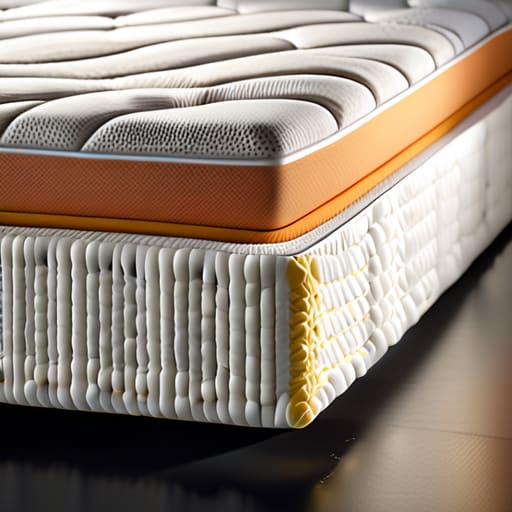
When we talk about density, we aren’t just talking about how “squishy” a bed feels when you sit on the edge of it. In the clinic, I see the physiological fallout of people choosing a surface based on a marketing slogan rather than physics. There is a massive difference between a mattress that feels soft and one that actually provides structural integrity. The impact of mattress density on sleep quality is often overlooked because people confuse surface comfort with deep-tissue support. A low-density foam might feel lovely for the first ten minutes, but as your body heat warms the material, you end up sinking into a “hammock” effect that wreaks havoc on your spinal alignment.
This is where the math of your own body comes in. I often tell patients that mattress firmness by body weight is the most ignored variable in the equation. If you are a heavier person, a medium-soft mattress isn’t just “uncomfortable”—it’s functionally useless because it lacks the density to prevent your pelvis from collapsing. You aren’t waking up with a “bad back” because you’re getting older; you’re waking up because your mattress is failing to perform its primary job of stabilizing your frame throughout the night.
Five ways to stop chasing the 'perfect' firmness and actually find support
- Stop listening to the ‘one size fits all’ marketing; firmness is entirely dependent on your body mass and how you distribute weight, so if you’re a lighter sleeper, a ‘firm’ mattress will likely feel like a slab of concrete.
- Test your side-sleeping alignment by checking your hip and shoulder sink; if you aren’t maintaining a straight line from your ear to your hip, you’re too much on top of the mattress and need more pressure relief, regardless of what the label says.
- Don’t mistake ‘softness’ for ‘comfort’—a mattress can feel lovely for the first ten minutes in a showroom, but if it lacks the structural integrity to support your lumbar spine through the night, you’ll wake up feeling like you’ve been in a car crash.
- Consider your movement patterns; if you are a restless sleeper who tosses and turns, an overly firm mattress can actually increase fragmentation because you’re fighting against the surface rather than moving with it.
- Ignore the ‘firmness scale’ on the box for a moment and focus on your wake-up symptoms; if you’re waking with localized aches in your lower back or hips, your current firmness is failing your anatomy, no matter how expensive the brand is.
Stop chasing the "perfect" mattress
At the end of the day, choosing a mattress shouldn’t feel like a high-stakes medical decision, even though the marketing departments want you to believe it is. We’ve looked at why a generic firmness scale is often a useless metric and why your actual spinal alignment—not a brand’s “cloud-like” label—is the only thing that truly matters. Remember, density dictates how long that support actually lasts, and if you’re constantly waking up with a dull ache, it’s rarely because you need a “luxury” upgrade; it’s usually because your current setup is failing to maintain your neutral physiological position through the night. Don’t let a salesperson convince you that a firmer surface is a cure-all for a body that simply needs better pressure distribution.
I spend my days looking at polysomnograms, watching the intricate dance of sleep stages, and I can tell you this: a mattress is just one piece of a much larger puzzle. If you get the firmness right but keep your bedroom at twenty-two degrees or scroll through your phone until midnight, you are still going to wake up exhausted. Focus on the fundamentals of alignment and temperature, and stop letting the industry make you feel like sleep is something you have to “solve” with more expensive foam. You deserve rest that actually restores you, and that starts with listening to your body rather than a spec sheet.