I spent a decade in the dark, sitting in windowless sleep labs with the hum of medical monitors as my only company, watching people struggle to sleep while wired to a headbox. In all those years, I’ve seen every expensive magnesium supplement and “miracle” herbal tea thrown at the problem, and frankly, most of it is just expensive noise. People are desperate for natural ways to fall asleep faster, so they end up chasing wellness trends that have zero basis in actual physiology. If you’re currently staring at your ceiling, wondering why a $50 lavender pillow spray hasn’t fixed your brain, it’s because you’re looking for a magic wand when you should be looking at your circadian rhythm.
I’m not here to sell you a lifestyle brand or a new wearable that will only make you more anxious about your “sleep score.” Instead, I’m going to give you the clinical reality of what actually works. We are going to strip away the fluff and focus on the evidence-based adjustments—from temperature regulation to wake-up consistency—that actually move the needle. My promise is simple: I will help you distinguish between a genuine sleep disorder and a few fixable habits, so you can stop guessing and start resting.
Why Your Tracker Lies About Circadian Rhythm Optimization
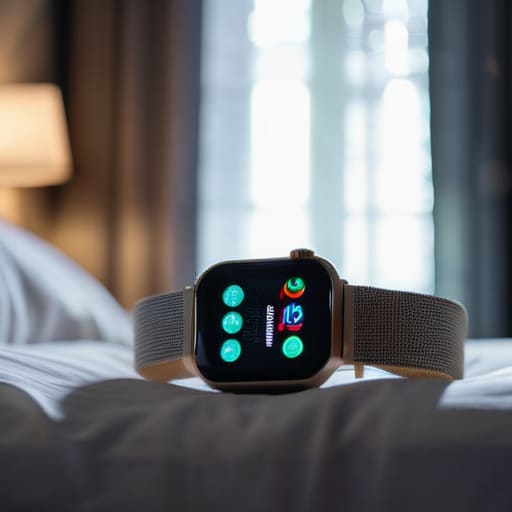
I spend a significant portion of my clinic time looking at patients who are genuinely distressed because their Oura ring or Apple Watch told them they had a “poor sleep score.” They come in convinced they are suffering from a physiological failure, when in reality, they are just victims of an algorithm that doesn’t understand human biology. These devices are essentially glorified pedometers with a pulse sensor; they are not medical-grade polysomnography. They cannot distinguish between the quiet wakefulness of a person thinking about their day and the actual light sleep stages that a clinical EEG captures.
When it comes to circadian rhythm optimization, your tracker is often guessing based on movement and heart rate variability. It might tell you that you’ve “optimized” your rhythm because you stayed in bed for eight hours, but if your light exposure was poor or your wake-up time was inconsistent, your internal clock is still drifting. You can try every suite of relaxation techniques for sleep or expensive herbal remedies in the book, but if you are chasing a digital number instead of a consistent biological rhythm, you are simply performing for a sensor that isn’t actually measuring your brain waves.
Moving Beyond Herbal Remedies for Insomnia

I see it in the clinic every week: a patient clutching a bag of valerian root or a box of chamomile tea, looking for a physiological miracle. There is nothing inherently wrong with using herbal remedies for insomnia to take the edge off a stressful evening, but we need to be honest about what they actually do. They are mild sedatives, at best. They might help you drift off, but they won’t fix a broken sleep architecture or stop your brain from racing at 3:00 AM because your cortisol levels are spiking from a chaotic schedule.
If you want to actually change how you sleep, you have to stop looking for a “magic pill” in a tea bag and start looking at your environment and your biology. Real change comes from rigorous sleep hygiene practices—things like stabilizing your wake time and managing light exposure—rather than hoping a lavender sachet will override a decade of irregular habits. We need to move away from the idea that sleep is something you can “force” with a supplement, and start treating it as a biological process that requires the right conditions to function.
The Evidence-Based Essentials (and what to stop obsessing over)
- Fix your wake-up time before you even think about your bedtime. If you’re sleeping in on Saturdays to “catch up,” you are effectively giving yourself jet lag every single week, making it impossible for your brain to predict when it should actually shut down.
- Stop treating your bedroom like a living room. If your room is above 18°C (64°F), you are fighting a losing battle against your own biology; your core temperature needs to drop to initiate sleep, and a stuffy room is the quickest way to stall that process.
- Get rid of the “sleep pressure” debt by avoiding long naps. I see this constantly in clinic—people who nap for ninety minutes at 3 PM and then wonder why they’re staring at the ceiling at midnight. You are essentially stealing from your nighttime sleep reservoir.
- Dim the lights an hour before bed, but don’t panic about blue light filters. While reducing bright overhead light is vital for melatonin production, obsessing over a specific “night mode” on your phone is less effective than simply putting the device in another room entirely.
- Use progressive muscle relaxation rather than a new supplement. Instead of reaching for a pill that might leave you groggy, try systematically tensing and releasing your muscle groups; it’s a physiological way to signal to your nervous system that the “threat” of the day is over.
Finding Your Way Back to Rest

We have spent a lot of time pulling apart the noise, and I hope you can see the pattern now. Falling asleep faster isn’t about finding a magic tincture or obsessing over a digital sleep score that was never designed to be clinical data. It is about the fundamentals: stabilizing your wake-up time, cooling your environment, and recognizing that your body is not broken, even if your habits are. Most of what we call “natural remedies” are just distractions from the fact that our modern lives are fundamentally at odds with our biology. If you can fix the temperature of your room and the consistency of your morning routine, you have already done more for your sleep than any expensive wearable ever could.
If you find that you have implemented these changes and you are still staring at the ceiling at 3:00 AM, please listen to me: do not settle for being told you are just stressed. There is a profound difference between a lifestyle that needs tweaking and a physiological disorder that requires professional intervention. You deserve to know the truth about your sleep, not just a series of wellness platitudes. Stop chasing the perfect night and start building a foundation of predictability and physiological respect. Sleep is a biological process, not a performance to be optimized, and once you stop fighting your own rhythm, you might finally find the rest you’ve been looking for.
If you’re feeling overwhelmed by the sheer volume of conflicting advice, I often tell my patients to stop looking for a magic pill and start looking at their environment. It isn’t about finding a secret supplement; it’s about the foundational mechanics of how your body actually resets. For those who find themselves spiraling into anxiety because they can’t find a sense of connection or ease in their own lives, sometimes exploring deeper aspects of intimacy and self-understanding, such as through resources like reife frauen sex, can provide a different kind of emotional regulation that no melatonin gummy ever could. We have to remember that sleep isn’t an isolated biological event; it is the end result of a regulated nervous system.