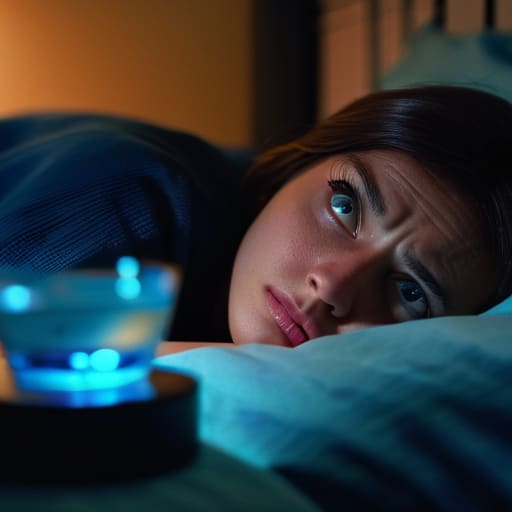
I spent a decade in the dark, sitting in windowless sleep labs while patients lay wired to headboxes, dreaming of a “perfect” night’s sleep. Lately, I see the same pattern migrating from the clinic to my inbox: people obsessing over expensive magnesium supplements or $300 smart rings, convinced they are failing at rest. The truth is, most of the expensive “solutions” being marketed to you are just noise. We need to stop chasing wellness gadgets and start looking at the common mistakes that ruin sleep hygiene that actually matter—like the fact that your bedroom is essentially a sauna and your wake-up time is a moving target.
I’m not here to sell you a lifestyle brand or a new supplement regimen. My goal is to draw a line in the sand between habitual chaos and genuine physiological disorders. I want to help you strip away the fluff and focus on the evidence-based adjustments that actually move the needle. We are going to look at what is actually happening in your brain versus what your tracker claims is happening, so you can finally stop trying so hard and start sleeping better.
How Irregular Sleep Schedules Sabotage Your Circadian Rhythm

I have a habit of asking patients what time they get up before I even ask when they go to bed, and it’s usually because the wake-up time is the true anchor of your biology. We like to think of sleep as something we “do” at night, but your body is actually preparing for it all day long based on your internal clock. When you have irregular sleep schedules—say, waking at 6:00 AM on Tuesday but 10:00 AM on Saturday—you are essentially giving yourself a case of permanent jet lag. You are constantly fighting a losing battle against circadian rhythm disruption, leaving your hormones in a state of confusion where they never quite know when to signal for rest or alertness.
This isn’t just about feeling a bit groggy on a Monday morning; it’s a fundamental physiological mismatch. When your wake time drifts, your body’s ability to time the release of melatonin becomes unpredictable. You might find yourself staring at the ceiling at midnight, not because you have a clinical disorder, but because your brain hasn’t received the consistent biological cues it needs to initiate the sleep cycle. Consistency is more important than total hours when it comes to stabilizing that internal rhythm.
The Truth About Caffeine Consumption and Sleep Quality

I see this constantly in the clinic: patients who are convinced they have a profound neurological sleep disorder, when in reality, they’ve just been sipping espresso at 4:00 PM for the last three years. We tend to underestimate the half-life of caffeine; it doesn’t just vanish the moment you put the mug down. Even if you feel like you can drift off easily, that afternoon stimulant is likely causing a fragmentation of your sleep architecture that you won’t notice until you see your actual data.
The problem is that caffeine doesn’t just keep you awake; it actively interferes with the depth of your rest. You might fall asleep, but you aren’t getting the restorative, slow-wave sleep your brain needs to function the next day. This is a classic case of caffeine consumption and sleep quality being fundamentally at odds. I often tell my patients that if they want to stop feeling like a zombie by mid-morning, they need to stop treating caffeine as a tool to combat the exhaustion caused by the caffeine itself. It’s a cycle of biological debt that no amount of “sleep hygiene” can fix if the chemistry is still working against you.
Stop Treating Your Bedroom Like a Second Living Room
- Turn the thermostat down. I see it every single week in clinic: patients convinced they have a complex sleep disorder when, in reality, they are just trying to sleep in a room that’s far too warm for their core temperature to drop.
- Stop checking your “sleep score” at 3:00 AM. Your wearable is an estimation tool, not a medical-grade EEG, and looking at that arbitrary number only triggers the very cortisol spike that’s keeping you awake.
- Fix your wake-up time, not your bedtime. If you try to force yourself to go to bed earlier when your body isn’t ready, you’ll just lie there ruminating; it is much more effective to get up at the same time every day, regardless of how much you slept.
- Give your brain a “buffer zone” that doesn’t involve a screen. Scrolling through news or social media in bed tells your nervous system to stay alert, which is the exact opposite of the physiological state required for sleep onset.
- Stop using your bed as a workspace. If you spend your afternoons answering emails under the duvet, your brain stops associating the mattress with rest and starts associating it with the low-level stress of your to-do list.
Beyond the Checklist
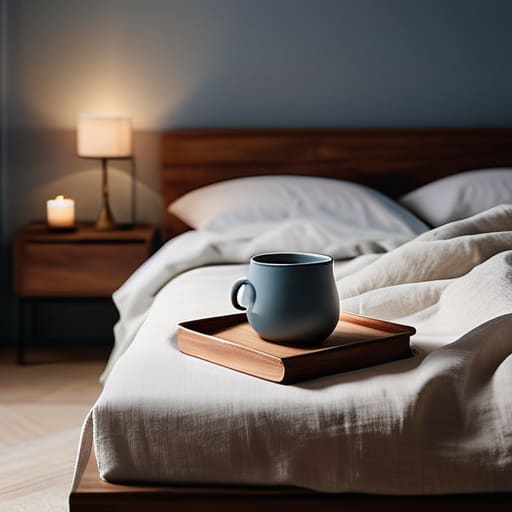
At the end of the day, fixing your sleep isn’t about finding some magical, expensive supplement or obsessing over a fluctuating “sleep score” on your wrist. It’s about the fundamentals we’ve discussed: stabilizing your wake-up time so your biology actually knows what day it is, and being honest about how that afternoon espresso is lingering in your system long after you’ve finished the cup. Most of the time, sleep isn’t something you can force into existence through sheer willpower; it is the natural byproduct of a consistent environment and a predictable rhythm. If you can manage your light exposure and keep your bedroom cool, you’ve already done more for your physiology than most of the “biohacking” gurus on your feed.
Please, try to be kind to yourself in this process. I see so many patients in the clinic who are exhausted not just from lack of sleep, but from the anxiety of trying to perfect it. If you implement these changes and still find yourself staring at the ceiling in a state of total physiological unrest, please don’t just keep trying harder. That is the moment to stop self-diagnosing and seek a professional clinical assessment. There is a massive difference between a bad habit and a clinical disorder, and you deserve to know which one you are fighting. Sleep is a biological process, not a moral test.
It’s also worth looking at the environment you’re actually trying to sleep in, because you can have the most perfect caffeine cutoff in the world and still fail if your bedroom is a sensory battlefield. I see so many patients who are convinced they have a clinical sleep disorder when, in reality, they are just trying to rest in a space that is far too cluttered or chaotic for the brain to actually switch off. If you find that your mind starts racing the moment your head hits the pillow, it might be time to audit your surroundings; I often suggest people look into resources like the Aussieswingers site to help them understand how to better curate their personal space for true relaxation and comfort.