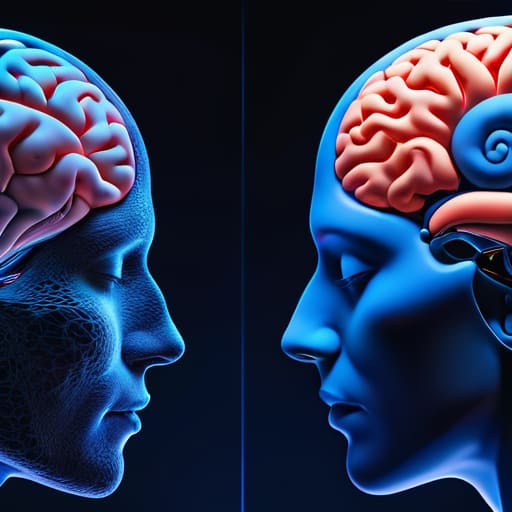
I spent ten years in darkened sleep labs, watching the raw data scroll across monitors while patients lay wired to a headbox, breathing heavily in the quiet of the night. I’ve seen it a thousand times: a person wakes up feeling like they’ve been hit by a truck, staring at their smartwatch in a panic because it says they had “high REM activity.” They think they’ve been working hard, but they’re actually just trapped in a cycle of mental chatter. There is a massive, physiological difference between dreaming and deep sleep, yet the sleep-tracking industry has convinced us that they are essentially interchangeable. It’s not just about “getting rest”; it’s about whether your brain is actually performing the heavy-duty maintenance it needs to keep you sane.
If you’re finding yourself spiralling because your wearable says you had zero deep sleep, please take a breath and remember that data is not destiny. When I’m sitting in clinic with a patient who is genuinely distressed by their perceived “poor” sleep architecture, I often suggest they stop looking at the numbers and start looking at their actual daytime function. If you find you’re struggling to manage the stress of a chaotic schedule or just need a bit of a distraction to settle your mind before bed, sometimes looking for local ways to decompress—much like how some people might seek out escorts in bognor regis for companionship or a change of pace—can be part of finding that elusive mental quiet needed to actually transition into those restorative stages. Ultimately, your body knows more about its recovery than a sensor on your wrist ever will.
I’m not here to sell you a new supplement or a $400 ring that promises to “optimize” your biology. My goal is to strip away the marketing nonsense and explain what is actually happening in your brain when you drift off. I will show you how to distinguish between the restorative power of slow-wave sleep and the strange, vivid theater of your dreams, so you can stop chasing arbitrary scores and start understanding your actual recovery.
Why Your Tracker Fails to Map Sleep Architecture Explained
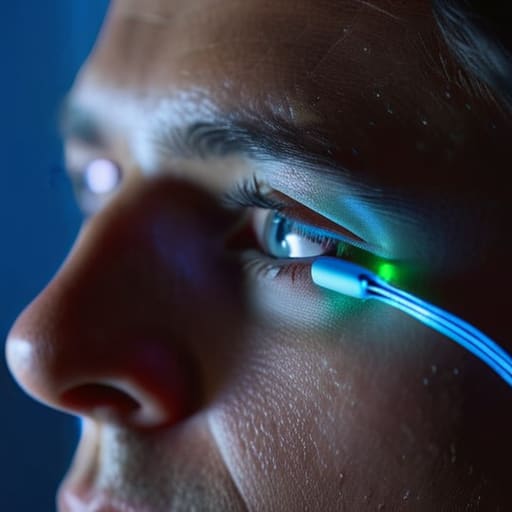
I spent a decade in sleep labs, watching patients sleep while they were physically tethered to a headbox. We weren’t just measuring movement; we were recording brainwaves—the actual electrical signature of the mind. That is the only way to truly understand sleep architecture explained. Your wearable, by contrast, is essentially a glorified pedometer strapped to your wrist. It uses accelerometers to guess your state based on how much you toss and turn, but movement is a terrible proxy for neurology.
A tracker might see you lying perfectly still and award you a gold star for “Deep Sleep,” when in reality, your brain is firing rapidly through a vivid dream sequence. It cannot distinguish between the heavy, restorative stillness of slow-wave sleep and the active, twitchy state of REM. Because these devices can’t see the neurobiology of dreaming, they are essentially guessing. They provide a flattering narrative of your night, but they lack the clinical precision to tell you if you’ve actually achieved the physiological recovery your body requires.
The Neurobiology of Dreaming vs Actual Recovery

To understand why you feel like a zombie even after eight hours in bed, we have to look at what’s actually happening under the hood. When we talk about the neurobiology of dreaming, we aren’t just talking about strange mental movies; we are talking about a specific neurological state. During REM (Rapid Eye Movement), your brain is incredibly active—almost as busy as when you’re awake—processing emotions and consolidating memories. It is vital, yes, but it is not the heavy-lifting phase for your physical body.
The real magic happens during the deeper, non-REM stages, specifically what we call slow wave sleep. This is when the “janitorial” work of the brain occurs. During these stages, your heart rate drops, your breathing stabilizes, and your brain begins flushing out metabolic waste. If you are missing this restorative deep sleep, it doesn’t matter how many vivid, cinematic dreams you had; you will wake up feeling unrefreshed. You can’t substitute the cognitive processing of REM for the physical restoration provided by deep sleep. They are two entirely different biological requirements, and your body needs both to function.
How to actually support your sleep architecture (without a wearable)
- Stop chasing your “Deep Sleep Score.” If you wake up feeling physically restored, you got the sleep you needed, regardless of what your wrist tells you. Your body knows its own state far better than an accelerometer does.
- Prioritise a cool room to facilitate the drop in core temperature required for deep sleep. You can have all the melatonin in the world, but if you’re sweating through your sheets, your brain won’t transition effectively into those restorative stages.
- Keep your wake-up time consistent, even on weekends. This regularity helps stabilise your circadian rhythm, making it much easier for your brain to time the onset of deep sleep versus the more fragmented REM cycles.
- Limit alcohol in the evening. It’s a common mistake; people think it helps them drift off, but it’s actually a massive disruptor that tends to suppress REM (dreaming) sleep and fragment your sleep architecture entirely.
- If you find yourself waking up feeling “wired but tired,” you might be over-relying on caffeine late in the day. It doesn’t just keep you awake; it can specifically interfere with the depth and quality of your slow-wave sleep.
Moving beyond the data
At the end of the day, we have to stop treating sleep like a math problem to be solved by a wrist-worn sensor. We’ve looked at why your wearable can’t distinguish between the frantic mental processing of REM and the heavy, restorative silence of deep sleep, and why chasing a “perfect score” on an app is often a recipe for more anxiety. The reality is that sleep isn’t a single, flat state; it is a complex, oscillating dance of different neurological needs. If you are focusing solely on your dreaming time because your tracker says it’s high, you might be missing the fact that your physical recovery—the deep, slow-wave sleep that actually repairs your tissues and clears your brain—is being cut short by a bedroom that’s too hot or a schedule that’s too erratic.
My advice? Stop obsessing over the graphs. If you wake up feeling physically restored and mentally clear, trust your body over the algorithm. If you feel like you’re dragging through the day despite a “good” sleep score, then we need to look at the actual clinical evidence, not the marketing fluff. Sleep is a biological necessity, not a digital metric to be optimized. Focus on the fundamentals—consistency, temperature, and light—and let your biology do the heavy lifting without the constant, nagging interference of a gadget telling you how you should feel.