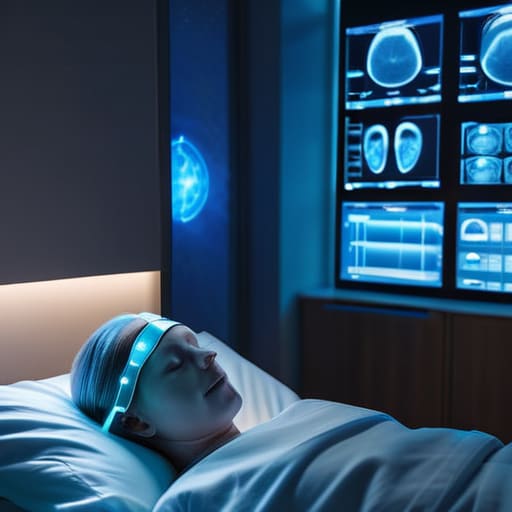
I spent my first decade in the trenches of the NHS, sitting in darkened rooms while the rhythmic hum of monitors filled the air and patients lay tethered to a headbox, praying for a single night of peace. I’ve seen the look of sheer terror on a person’s face when they think they’re about to be “diagnosed” with something life-altering, only to realize they’ve just been overthinking their data. There is a massive misconception that knowing how sleep clinics work means you’re signing up for some high-tech, futuristic interrogation of your biology. In reality, it’s much more grounded than that; it’s about stripping away the noise to see if your brain is actually struggling or if you’re just fighting against your own environment.
I’m not here to sell you a subscription to a wellness app or tell you that your wearable’s “sleep score” is a medical truth. My goal is to pull back the curtain on the actual clinical process so you can walk into a consultation feeling prepared, not patronized. I will tell you exactly what we are looking for when we hook you up to those wires, why certain tests are essential and others are just expensive fluff, and how to distinguish a genuine clinical disorder from a lifestyle that simply needs a bit of recalibrating.
Understanding How Sleep Clinics Work
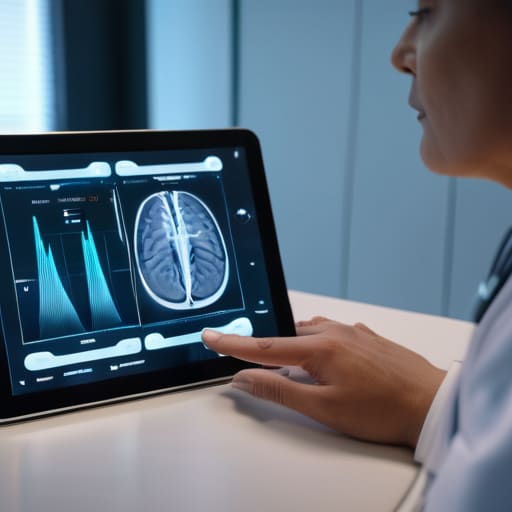
When you first walk through the doors, the experience usually begins with a sleep specialist consultation. This isn’t just a chat about how tired you feel; it’s a clinical deep dive where we try to separate your lifestyle habits from your biology. I spend a lot of my time here looking at history, trying to figure out if your breathing is actually dropping during the night or if you’re just struggling to switch off because of a caffeine habit or an inconsistent schedule.
If we decide you need more data, you move into the actual polysomnography sleep study process. This is the part people often dread—the idea of being “wired up”—but it’s the only way to get the truth. We use overnight sleep monitoring to track your brain waves, eye movements, and oxygen levels with medical-grade precision. Unlike that little sensor on your wrist that guesses your sleep stages based on how much you toss and turn, we are looking at the actual electrical signals of your brain. It’s a rigorous, highly controlled environment designed to provide a definitive answer, not a vague “sleep score.”
Key Things to Know
First, let’s clear up a common misconception: a sleep study isn’t a test of how “good” your sleep is. If you go in expecting a grade or a score similar to what your wristband gives you, you’ll be disappointed. The polysomnography sleep study process is actually a clinical deep dive into your physiology. We aren’t looking at whether you felt rested; we are looking at your brain waves, your oxygen levels, your heart rate, and your breathing effort. It is a technical measurement of biological events, not a subjective report of your mood.
Secondly, you need to understand that the sleep clinic patient journey usually starts much earlier than the night you spend in the hospital. It begins with a thorough clinical history. I spend a significant portion of my consultations asking about your daytime fatigue, your caffeine habits, and—crucially—your wake-up times. We use these details to determine if you actually require sleep apnea diagnostic testing or if we are simply looking at a case of poor sleep hygiene. We are searching for a physiological breakdown, not just a bad night’s sleep.
Practical Tips and Steps
If you’ve been referred for a sleep study, the first thing I tell my patients is to stop trying to “prepare” by being perfect. You cannot force yourself to sleep just because there are wires involved, and trying to do so often leads to more anxiety. During your sleep clinic patient journey, the most helpful thing you can do is maintain your usual evening routine as closely as possible. If you usually read a book or have a cup of caffeine at 6 PM, do it. We aren’t looking for a “clean” night; we are looking for your actual night.
When you arrive for the overnight sleep monitoring, don’t be intimidated by the equipment. The polysomnography sleep study process can feel a bit like being a science experiment, but it is quite passive once the sensors are on. My best advice? Wear your most comfortable, loose-fitting pajamas and bring your own pillow from home. It sounds trivial, but that small bit of familiarity can be the difference between a night of tossing and turning and a night where we actually get the data we need to help you.
Common Mistakes to Avoid
The first mistake I see, and it’s one that often complicates the entire sleep disorder evaluation steps, is the “heroic” effort to sleep better the night before your study. People arrive at the clinic exhausted because they’ve spent the last three days trying to force a perfect schedule or, worse, using heavy-duty sleeping pills to ensure they “perform” well. Please, don’t do this. If you medicate yourself into a stupor, we aren’t measuring your natural sleep architecture; we’re measuring the drug’s effect. I need to see the real you—the one who struggles, the one who tosses and turns—otherwise, the data is essentially fiction.
Secondly, stop trying to cross-reference your clinical results with your smartwatch. I know it’s tempting, but during the polysomnography sleep study process, we are measuring brain waves, eye movements, and muscle tone directly. Your wearable is guessing based on movement and heart rate. When I sit down for a sleep specialist consultation to explain your results, I am looking at physiological truth, not a proprietary algorithm’s “sleep score.” If the two disagree, trust the clinical data, not the piece of plastic on your wrist.
Final Thoughts
If you’ve spent months staring at a sleep score on your wrist, feeling more anxious than rested, please take a breath. A wearable can tell you when you moved, but it cannot tell you why your brain isn’t transitioning into deep sleep. Navigating the sleep clinic patient journey can feel clinical and intimidating, but it is the only way to move past guesswork. Whether you are facing a formal sleep apnea diagnostic testing session or just a preliminary consultation, remember that data is only useful if it leads to clarity.
Don’t let the complexity of the polysomnography sleep study process discourage you. It isn’t about being “broken”; it’s about gathering the evidence required to distinguish a lifelong physiological struggle from a lifestyle that simply needs a bit of recalibration. My goal isn’t to give you more things to worry about, but to help you stop chasing ghosts in your data. Once we strip away the noise of the gadgets, we can finally focus on what actually matters: getting you a night of rest that feels earned.
How to actually prepare for your study (without the unnecessary stress)
- Don’t try to “perfect” your sleep the night before. If you spend three days sleeping ten hours to “make sure” you’re tired for the study, you’re going to skew the data. Just be your usual, slightly tired self.
- Be honest about your caffeine and alcohol. If you tell us you didn’t have a glass of wine or a late coffee when you actually did, we might spend the whole night wondering why your heart rate is behaving strangely, and we won’t be able to give you an accurate result.
- Forget the fancy sleep hygiene apps. A sleep study isn’t looking at your “sleep score” or how many minutes of REM you think you got; it’s looking at your brain waves and respiratory effort. Don’t stress about the metrics your watch uses; they don’t matter here.
- Wear something comfortable that you’d actually sleep in. You’ll have wires and sensors attached to your head and chest, so avoid anything with too many buttons or stiff fabrics that will make you feel like you’re wearing a costume.
- Tell us about your usual wake-up time. I know it sounds odd, but knowing when you normally have to face the world helps me interpret whether your sleep architecture is actually out of sync or if you’re just operating on an irregular schedule.
The bottom line
A sleep study is a clinical diagnostic tool designed to find physiological disorders, not a way to validate the “sleep scores” on your smartwatch.
There is a massive difference between clinical insomnia and a disrupted circadian rhythm; one requires medical intervention, while the other usually requires a more consistent wake time and a cooler room.
Don’t mistake bad habits for a permanent disorder—most sleep issues are far more fixable than the internet would have you believe, provided you’re looking at the right data.
Frequently Asked Questions
If my wearable says I have sleep apnea, do I still need to come into the clinic for a formal study?
Short answer: Yes. Your wearable is a sophisticated motion detector, not a medical diagnostic tool. It can flag patterns that look like apnea, but it cannot see your airway, it can’t measure your oxygen saturation accurately, and it certainly can’t distinguish between a breathing pause and you just rolling over. A clinical study tells us if you actually have a disorder that needs treating, or if your watch is just having a very expensive guess.
Will I actually be able to sleep with all those wires and sensors attached to me overnight?
It’s the question I get most, usually from someone looking quite pale in the clinic. Honestly? It feels a bit strange at first. You’ll have sensors on your chest, clips on your fingers, and a few things on your head. But once the lights go out, most people settle. You aren’t being poked or prodded; you’re just tethered. It’s a bit more cumbersome than your smartwatch, certainly, but it’s the only way we get the real data.
How long does it actually take to get my results back after the study is finished?
I know the waiting is the hardest part—you leave the clinic feeling raw and just want answers. In an NHS setting, you aren’t getting a printout before you walk out the door. It typically takes anywhere from two to six weeks. We have to manually score every hour of your data to ensure accuracy. It isn’t just a computer algorithm spitting out a number; it’s a clinician looking at your actual physiology.