I spent a decade in darkened sleep labs, watching patients twitch and toss while wired to a headbox, and if there is one thing I’ve learned, it’s that people are obsessed with the wrong culprits. Everyone wants to blame that single, guilt-ridden espresso at 4:00 PM for their midnight restlessness, as if it’s some grand, unsolvable mystery. But in my clinic, I see the pattern every single day: it’s rarely just about the cup of coffee. Most people are so focused on the “caffeine crash” that they completely overlook how their erratic wake times and bedroom temperature are actually driving the bus. We need to stop treating how caffeine affects sleep like a mystical force and start looking at the actual biological mechanics of what’s happening in your brain.
I’m not here to give you a list of “sleep hygiene” platitudes or tell you to buy an expensive new supplement. Instead, I’m going to pull back the curtain on the science of adenosine and half-lives, separating the genuine physiological disruptions from the mere bad habits you can fix tonight. I promise to give you the straight truth—no hype, no wearable-induced anxiety—just the evidence-based reality of how to manage your stimulants without feeling like you’re walking on eggshells.
Understanding How Caffeine Affects Sleep
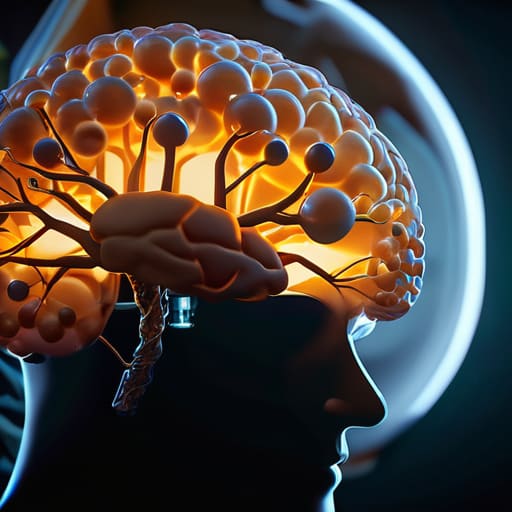
To understand why that 4:00 PM latte is causing issues, you have to look at the chemistry, not just the “buzz.” Throughout the day, your brain builds up a chemical called adenosine; it’s essentially the biological signal that tells your body it’s time to wind down. Caffeine works through adenosine receptor blocking, meaning it doesn’t actually eliminate your tiredness—it just plugs the holes in your brain so you can’t feel it. You aren’t actually more energetic; you’re just temporarily blind to your own exhaustion.
The real trouble starts when we look at the sleep architecture impact. Even if you manage to drift off, the way caffeine lingers in your system can fragment your sleep stages. I often see patients who claim they “sleep fine” despite heavy afternoon use, but when we look at their data, their deep sleep is shallow and their transitions are messy. Because the metabolism of caffeine varies wildly from person to person—some of us are fast processors, others are slow—a drink that felt fine in your twenties might be the very thing sabotaging your restorative rest today.
Key Things to Know

First, we need to clear up a misconception about how your brain actually works. Caffeine doesn’t actually “give” you energy; it’s more of a sophisticated trick. It works through adenosine receptor blocking, essentially masking the chemical signals that tell your brain it is tired. You aren’t actually refreshed; you’re just temporarily deaf to your body’s exhaustion. This is why the crash feels so violent once it wears off.
Second, you have to consider the metabolism of caffeine, which is far more individual than most people realise. I often see patients who swear they can sleep fine after a late coffee, but when we look at their sleep architecture impact, the data tells a different story. Even if you drift off, the stimulant effects on REM sleep are often significant, meaning you might spend the night in a shallow, fragmented state without ever knowing it.
Finally, stop looking for a “magic hour” to quit. Instead, focus on your caffeine consumption window. If you are using it to bridge the gap between a chaotic schedule and your actual needs, you are likely inviting circadian rhythm disruption that no amount of morning sunlight can fully fix.
Practical Tips and Steps
If you want to stop fighting your own biology, you need to stop treating caffeine like a constant background noise and start treating it like a scheduled event. The most effective change is establishing a strict caffeine consumption window. For most of my patients, this means drawing a line in the sand by 12:00 PM or 2:00 PM at the latest. Because of how the metabolism of caffeine works, that mid-afternoon latte is still circulating in your system long after you’ve turned out the lights, effectively sabotaging your ability to drift off.
It isn’t just about whether you feel “wired”; it’s about what’s happening under the hood while you think you’re resting. Even if you manage to fall asleep, caffeine can cause a subtle but significant sleep architecture impact, often clipping the duration or depth of your restorative stages. If you find yourself waking up feeling like you’ve been hit by a truck, you aren’t necessarily suffering from chronic insomnia—you might just be experiencing the lingering stimulant effects on REM sleep. Start by tapering your afternoon intake and see if your morning clarity improves.
Common Mistakes to Avoid
The biggest mistake I see in the clinic isn’t that people drink coffee; it’s the belief that they can “outsmart” their own biology. People often think that because they can fall asleep after a late-afternoon latte, the caffeine hasn’t done any damage. This is a dangerous fallacy. Even if you drift off, you are likely experiencing a significant sleep architecture impact, where the quality of your deep sleep is compromised. You might be unconscious, but your brain isn’t getting the restorative rest it requires.
Another trap is ignoring your personal metabolism of caffeine. We tend to treat everyone as if they process stimulants at the same speed, but genetics play a massive role here. If you find yourself staring at the ceiling at 3:00 AM, you can’t just blame “stress”—you need to look at your caffeine consumption window. Most people wait far too long into the afternoon to draw that line. If you’re trying to fix your sleep by changing your bedroom temperature but still sipping espresso at 4:00 PM, you’re simply fighting a losing battle against your own chemistry.
Final Thoughts
At the end of the day, we need to stop treating caffeine like a magic switch that we can simply flip off when we want to sleep. It isn’t that simple. Because of how adenosine receptor blocking works, you aren’t actually “creating” energy; you are simply masking the biological signal that your brain is tired. Even if you manage to drift off, the sleep architecture impact is often there, lurking in the background, making your rest shallower and less restorative than you realize.
If you find yourself constantly fighting fatigue, don’t just reach for another cup. Instead, look at your broader patterns. Are you managing your caffeine consumption window effectively, or are you trying to outrun a cycle of exhaustion? Most of the time, the solution isn’t more willpower; it’s better timing and a more consistent routine. If you address the timing of your stimulants alongside your wake-up times and bedroom temperature, you’ll likely find that the “insomnia” you’ve been battling is far more manageable than it feels right now.
A Clinician’s Guide to Managing Your Caffeine Intake
- Stop treating your afternoon coffee like a harmless ritual. Caffeine has a half-life that is much longer than most people realise; that 3:00 PM latte is still circulating in your bloodstream when you’re trying to drift off at 11:00 PM.
- Watch out for the “hidden” caffeine in your diet. It isn’t just coffee and tea; dark chocolate and certain sodas can keep your nervous system on low-level alert, even if you don’t feel “jittery.”
- Don’t use caffeine to fix a bad wake time. If you’re using a double espresso to compensate for a late night caused by an irregular schedule, you’re just digging a deeper hole for the next day.
- Pay attention to how you feel, not what your wearable says. If your tracker claims you had “good sleep” but you feel wired or restless, it’s likely the caffeine interfering with your ability to enter deep, restorative stages.
- Implement a hard “cutoff” time. Instead of trying to guess how much caffeine is too much, pick a consistent time—say, 2:00 PM—and stick to it. It gives your body a predictable window to clear the stimulant before you even hit the pillow.
The Bottom Line
Caffeine doesn’t just keep you awake; its primary crime is blocking the chemical signals that tell your brain it’s actually tired, effectively masking your natural sleep pressure.
Stop obsessing over the “cutoff time” and start looking at your half-life; even if you feel fine, that afternoon latte is likely still circulating in your system when your head hits the pillow.
If you’re struggling to sleep, don’t just slash the caffeine and hope for the best—check your bedroom temperature and your wake-up consistency first, as caffeine is often a symptom of a messy routine rather than the sole cause.
Frequently Asked Questions
If my wearable says I slept well, does that mean the caffeine I had at 4 PM didn't actually affect my sleep architecture?
The short answer is no. Your wearable is essentially guessing based on movement and heart rate; it isn’t measuring your brain waves. While that 4 PM espresso might not have kept you tossing and turning, it can still subtly “shred” your sleep architecture. It often suppresses deep, restorative slow-wave sleep without you ever realizing it. You might feel “fine” according to your tracker, but your brain didn’t get the quality recovery it actually needed.
I feel like a zombie in the morning unless I have coffee immediately; am I addicted, or is this just my natural rhythm?
It’s rarely a true addiction, though it feels like one. What you’re likely experiencing is “sleep inertia” clashing with a caffeine dependency that has masked your natural rhythm for years. If you’ve trained your brain to rely on a chemical spike to clear the morning fog, you aren’t waking up naturally; you’re just hitting a pharmacological reset button. Before you assume you’re broken, tell me: what time do you actually get up?
Is there a difference between how caffeine affects my ability to fall asleep versus how it affects the actual quality of my deep sleep?
There is a massive difference, and this is where most people get tripped up. Caffeine is a master of deception. It might not stop you from drifting off—especially if you’re exhausted—but it’s quietly sabotaging your architecture from the inside. It blocks adenosine, the chemical that signals your brain it’s time for restorative, deep sleep. You might “sleep” for eight hours, but you’ll wake up feeling like you haven’t rested at all.