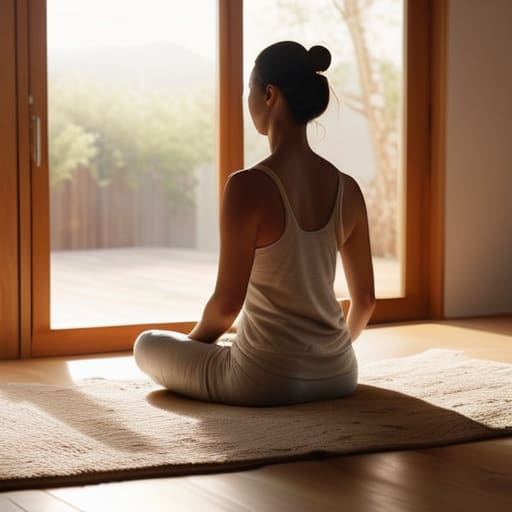
I spent ten years in a darkened sleep lab, watching people struggle to find rest while tethered to a dozen wires, and if there is one thing I’ve learned, it’s that we are terrible at doing nothing. We’ve been sold this glossy, expensive lie that a “proper holiday” requires a curated itinerary of sunrise hikes and luxury wellness retreats that leave you more exhausted than when you left. Most people think they need a complete lifestyle overhaul to reset, but in reality, they just need to learn how to take a proper holiday without turning it into another high-stakes performance…
-
-
I spent a decade sitting in darkened sleep labs, watching people struggle to drift off while tethered to a headbox, and if there is one thing I’ve learned, it’s that we are catastrophically bad at understanding our own biology. You don’t need a £400 wearable to tell you that your “sleep score” is low; you need to understand how constant stimulation affects rest in a world that refuses to turn off. Most of the advice you’re getting from influencers—buy this supplement, try this specific breathing technique—is just more noise. They are treating the symptoms of a hyper-stimulated brain while ignoring…
-
I spent a decade in a darkened sleep lab, watching patients struggle to find peace while tethered to a headbox, and if there is one thing I’ve learned, it’s that we have become terrified of the quiet. We treat every spare second—the queue at the chemist, the red light at a junction, the gap between tasks—as a vacuum that must be filled with a glowing screen or a podcast. We’ve been sold this lie that constant mental stimulation is the key to efficiency, but in reality, we are just overstimulating our nervous systems into a state of permanent low-grade agitation.…
-
I spent a decade in the dark, watching patients twitch and struggle under a mountain of wires, and if there is one thing I’ve learned, it’s that we are obsessed with overcomplicating the simplest biological processes. You’ll see it everywhere: expensive recovery gadgets, high-tech compression gear, and “biohacks” that promise to optimize your nervous system for a premium price. Most of this is just expensive noise. People think they need a complex protocol to bounce back from exhaustion or injury, but they completely ignore the foundational science of how walking supports recovery. It isn’t about hitting a specific step count…
-
I’ve spent seventeen years in sleep clinics watching people stare at their smartwatches, obsessing over a “sleep score” that is essentially just a fancy guess. We’ve become a culture of people trying to optimize our way out of exhaustion with expensive gadgets and complex protocols, when often, the problem is much simpler. You aren’t broken, and you don’t need a new biohacking app; you’re likely just suffering from cognitive depletion. I’ve seen it time and again: people think they need more caffeine or a stricter blackout curtain, but they actually just need to understand how nature exposure restores attention by…
-
I spent a decade in a darkened sleep lab, watching patients struggle through the night while tethered to a headbox, and if there is one thing I’ve learned, it’s that people are desperate for a shortcut. Lately, my feed is flooded with influencers claiming that yoga nidra is a magical reset button for your brain—as if a twenty-minute audio track can instantly rewire a decade of chronic sleep deprivation. I get the appeal, but we need to stop treating it like a panacea. If you want to understand how yoga nidra works, you have to stop looking for a miracle…
-
I spent a decade in the dim light of sleep labs, watching patients struggle to find stillness while tethered to a dozen sensors, and if there is one thing I’ve learned, it’s that people are being sold a version of peace that doesn’t actually exist. We’ve reached a point where wellness influencers treat mental stillness like a luxury product you can buy with a subscription, rather than a physiological skill. This is exactly how mindfulness is misrepresented in our modern, hyper-connected world; it’s been rebranded as a way to “optimize” your productivity or “quiet the noise” so you can get…
-
I spent ten years in the dark, watching patients struggle to settle while they were wired to a headbox, and if there is one thing I’ve learned, it’s that people are being sold a very expensive lie about mindfulness. You’ve likely seen the influencers claiming that a ten-minute breathing exercise is a magic bullet for your nervous system, but we need to have a serious conversation about how meditation affects rest versus how it actually affects your brain. Sitting in a quiet room and forcing your thoughts to stop isn’t a physiological substitute for sleep, and for some of my…
-
I’ve spent seventeen years watching people lie awake in darkened clinic rooms, staring at the ceiling and wondering why their expensive sleep trackers are giving them “poor recovery” scores despite them feeling absolutely exhausted. Most of the advice you’ll find online treats sleep like a math problem to be solved with more gadgets or “biohacks,” but when people ask me how progressive muscle relaxation works, they’re usually looking for a way to stop their own bodies from feeling like a coiled spring. You don’t need a subscription to a meditation app or a $300 ring to tell you that you’re…
-
I spent a decade in the dark, watching patients struggle through polysomnography studies, their bodies wired to sensors while they desperately tried to “calm down” to get to sleep. Most of the advice you see on your wellness apps is frankly exhausting; it treats breathing like some mystical, spiritual gateway rather than what it actually is: a mechanical lever for your nervous system. People keep asking me how breathing techniques help when they are already spiraling in bed, but they’ve been sold a version of “mindfulness” that is often just another chore on an already overwhelming to-do list. If you…