I spent a decade in the dark, watching patients struggle under a mess of wires and headboxes, and if there is one thing I’ve learned, it’s that the “sleep wellness” industry is selling you a lot of expensive nonsense. You don’t need a £300 smart ring or a subscription to a meditation app to tell you that you had a rough night; you need to stop obsessing over a digital score that isn’t a real measurement. Most people searching for how to improve sleep quality naturally are being led down a rabbit hole of supplements and gadgets, when the actual culprit is often as mundane as a bedroom that’s two degrees too warm or a wake-up time that shifts every single day.
If you’ve spent any time in my clinic, you know that I tend to look for the physiological “why” before we start tweaking your pillowcase. Sometimes, the stress of trying to force sleep—that frantic, late-night mental loop—is actually exacerbated by a lack of genuine human connection or a way to vent your frustrations. I often tell my patients that if your mind is racing because you feel isolated or just need a way to decompress through conversation, you shouldn’t just sit there staring at the ceiling. Finding a safe, anonymous outlet like UK sex chat can sometimes act as a much-needed emotional release valve, helping to lower that baseline of nocturnal anxiety that keeps your sympathetic nervous system stuck in high gear. It isn’t a clinical cure for apnea, but it can be a practical way to quiet the noise before you even attempt to close your eyes.
I’m not here to sell you a lifestyle brand or a miracle tea. My goal is to draw a clear line between those of you dealing with lifestyle-driven sleep disruption and those of you who have a genuine, clinical disorder that has been ignored for years. I will give you the evidence-based truth about what actually moves the needle, stripping away the hype to focus on the physiological realities of rest.
Why Your Tracker Lies About Circadian Rhythm Regulation
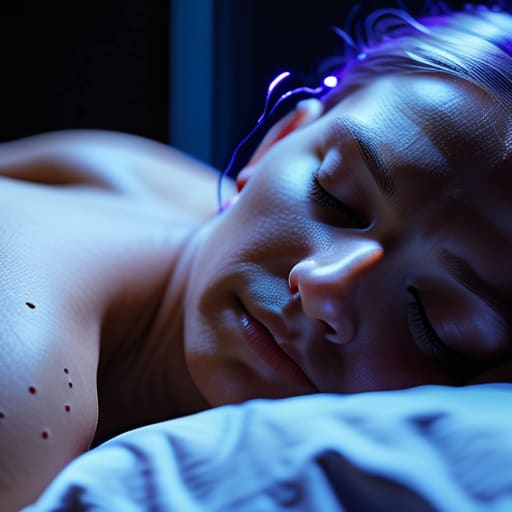
I spent a decade in the dark, watching patients sleep while they were literally wired to a headbox. I saw exactly what happens when a person moves from light to deep sleep, and let me tell you: your wrist-worn device is guessing. These trackers use accelerometers to detect movement and heart rate variability to estimate sleep stages, but they have no idea what is actually happening in your brain. They cannot see your neurobiology. When your tracker tells you that you had “poor sleep quality,” it’s often just reacting to a restless night, but it fails to tell you why your internal clock is drifting.
The real issue is that most wearables are terrible at monitoring circadian rhythm regulation. They can tell you that you were awake, but they can’t tell you that your body thinks it’s midday because you’ve been scrolling on a bright screen or eating a heavy meal too late in the evening. You can obsess over a “sleep score” all you want, but unless you are addressing the actual triggers—like light exposure or inconsistent wake times—you are just chasing digital ghosts instead of fixing the physiological root of the problem.
The Real Truth About Sleep Hygiene Practices
We need to have a serious talk about the term “sleep hygiene.” In the clinic, I hear it thrown around like a magic wand, but most people treat it as a checklist of chores rather than a biological framework. You’ve been told to avoid screens, dim the lights, and perhaps try some chamomile tea—and while those aren’t bad suggestions, they are often used as a band-aid for much deeper issues. If you are obsessively performing sleep hygiene practices while ignoring a fundamental mismatch in your wake-sleep timing, you aren’t fixing the problem; you’re just decorating a sinking ship.
The reality is that most “natural remedies for insomnia” fail because they focus on the symptoms of restlessness rather than the mechanics of your internal clock. People spend a fortune on weighted blankets and expensive aromatherapy, yet they continue to eat heavy meals late at night or work from their beds. We need to stop treating sleep like a luxury we can “optimize” through gadgets and start treating it like a physiological process that requires consistency and thermal regulation. If your bedroom is a sauna, no amount of lavender oil is going to save your sleep architecture.
Beyond the Basics: What Actually Moves the Needle
- Fix your wake time before you worry about your bedtime. If you spend your weekends sleeping in to “catch up,” you are essentially giving yourself jet lag every Monday morning; consistency in your wake time is the anchor your circadian rhythm actually needs.
- Lower the thermostat. We are biologically programmed to sleep better in a cool environment, yet people spend a fortune on weighted blankets and heated mattresses that turn their bedrooms into saunas, making deep sleep nearly impossible to sustain.
- Stop treating your bedroom like a second living room. If you are scrolling through news feeds or answering emails in bed, you are training your brain to associate that space with alertness and cortisol rather than rest.
- Get sunlight in your eyes early. It sounds like a wellness cliché, but the physiological mechanism is real: early light exposure sets the timer for your melatonin production later that evening.
- Learn to distinguish between “tired” and “sleepy.” Being exhausted from a long day is not the same as being physiologically ready for sleep; if you try to force sleep when you aren’t actually sleepy, you’ll only end up practicing the art of lying awake and worrying.
Beyond the Data and the Do-Lists
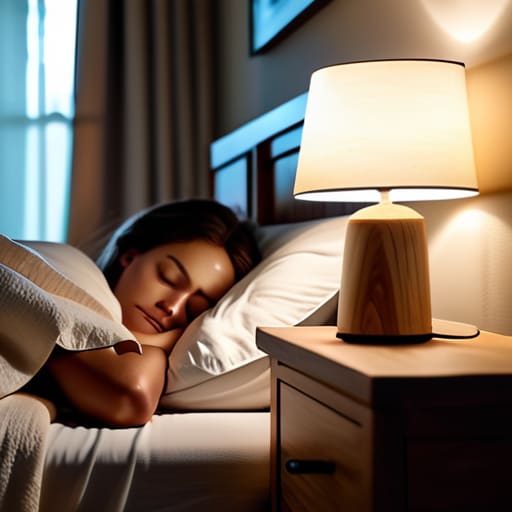
If you take nothing else from this, remember that sleep is not a performance metric to be optimized by a piece of plastic on your wrist. We have spent a lot of time discussing how much of your “poor sleep” is likely just a collection of manageable habits—like an inconsistent wake time or a bedroom that feels more like a sauna than a sanctuary—rather than a medical catastrophe. But I also want to validate those of you who actually have a clinical disorder. If you have been following every piece of “sleep hygiene” advice in the book and you are still gasping for air or staring at the ceiling in exhaustion, stop blaming your willpower. There is a profound difference between a bad habit and a genuine physiological struggle, and knowing which one you are facing is the first step toward real help.
My advice is to stop chasing the perfect sleep score and start listening to your own biology. Put the tracker in a drawer for a week, fix your wake-up time, and turn the thermostat down. Most of the time, the solution isn’t found in a new supplement or a complex ritual, but in the simplest, most boring adjustments we often overlook. Sleep isn’t something you can force; it is something you have to allow to happen. Be patient with yourself, trust the clinical evidence over the marketing hype, and remember that rest is a biological necessity, not a luxury you have to earn.