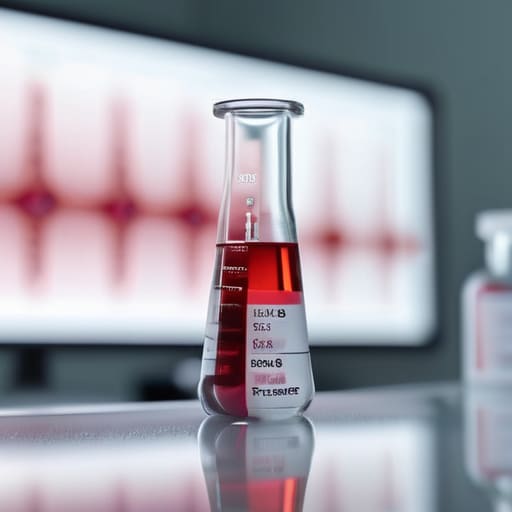
I spent years in the clinic watching patients stare at their sleep trackers with genuine distress, convinced that a low “sleep score” was the reason they felt like they were walking through waist-deep mud. They’d spent hundreds on magnesium supplements and blackout curtains, never realising that no amount of darkness can fix a physiological deficit. We need to stop treating exhaustion as a failure of willpower or a lack of “sleep hygiene.” If you are struggling to function, we need to look deeper than your bedroom temperature and actually investigate how anaemia and thyroid affect tiredness at a cellular level.
I’m not here to sell you a new wearable or a complicated ritual involving expensive essential oils. My promise to you is much simpler: I am going to strip away the wellness industry’s noise and give you the clinical reality. We are going to look at the hard evidence behind iron levels and metabolic function so you can finally distinguish between a bad habit and a genuine medical hurdle. I will help you understand what your blood tests are actually trying to tell you, because knowing the difference is the only way to stop chasing symptoms and start finding real solutions.
Understanding How Anaemia and Thyroid Affect Tiredness

When I’m sitting in the clinic, I often see patients who have spent months—sometimes years—trying every sleep hygiene trick in the book. They’ve bought the weighted blankets, they’ve tried the magnesium, and they’ve certainly tried the “no screens after 9 PM” rule. But no amount of dimming the lights is going to fix a physiological deficit. If your hemoglobin levels and tiredness are linked, you aren’t suffering from “bad sleep habits”; you are dealing with a cellular oxygen shortage. Anaemia means your blood simply isn’t carrying enough fuel to your brain and muscles, leaving you feeling like you’re walking through treacle regardless of how many hours you spent in bed.
Then there is the thyroid, which acts as the body’s master thermostat and pace-setter. When you’re dealing with hypothyroidism and energy levels, the issue isn’t just that you’re tired; it’s that your entire metabolic engine has slowed to a crawl. It’s a systemic sluggishness that makes even the simplest tasks feel monumental. This is why I always insist on a proper blood test for anemia and thyroid function before we start talking about sleep hygiene. We have to rule out the biological “why” before we start blaming your bedroom temperature.
Key Things to Know

If you’re sitting there wondering why you can’t just “power through” the afternoon slump, you need to understand that this isn’t a matter of willpower. When we talk about iron deficiency fatigue symptoms, we aren’t just talking about feeling a bit peckish or sleepy; we are talking about your blood’s literal inability to transport enough oxygen to your tissues. If your hemoglobin levels are low, your heart has to work overtime just to keep you upright, which leaves you feeling utterly spent by midday.
Similarly, if your thyroid is underactive, your entire internal thermostat and engine are essentially running on low battery. The link between hypothyroidism and energy levels is profound because your thyroid dictates your metabolic rate; when it falters, everything slows down—your heart rate, your digestion, and your cognitive clarity.
The most important thing to remember is that these aren’t things you can “biohack” with a new wearable or a stricter sleep hygiene routine. You cannot supplement your way out of a clinical deficiency or a hormonal imbalance without guidance. You need a proper blood test for anemia and thyroid function to see what is actually happening under the hood.
Practical Tips and Steps
If you’ve been nodding off at your desk or feeling like you’re walking through treacle, please stop trying to “willpower” your way out of it. You cannot supplement your way out of a clinical deficiency, and you certainly can’t sleep your way out of a thyroid issue. The first thing you need to do is stop guessing and get a proper blood test for anemia and thyroid function. I see so many patients who have spent hundreds of pounds on magnesium supplements or “sleep hygiene” apps when what they actually needed was a simple dose of iron or a thyroid hormone replacement.
When you speak to your GP, don’t just say you’re “tired”—that’s too vague for a busy clinician to act on. Be specific about your iron deficiency fatigue symptoms, like feeling breathless on stairs or having brittle nails, and mention if your temperature regulation feels off. We need to see your hemoglobin levels and your TSH to get a clear picture. Once we have the data, we can stop treating the symptom and actually start addressing the metabolism and thyroid function that is likely dragging you down.
Common Mistakes to Avoid
The biggest mistake I see in the clinic is the “wait and see” approach. People often assume that because they’ve always felt a bit sluggish, it’s just their baseline or a byproduct of getting older. They try to “power through” with extra espresso, not realising that if their hemoglobin levels and tiredness are linked, they aren’t just tired—they are physiologically starved of oxygen. You cannot caffeine-load your way out of a cellular deficit.
Another pitfall is the assumption that a “normal” blood test means everything is fine. I’ve had countless patients tell me their doctor said their results were within range, yet they still feel like they’re walking through treacle. There is a massive difference between being “clinically abnormal” and being optimally healthy. If you are struggling with hypothyroidism and energy levels, a lab result that sits at the very bottom edge of the “normal” bracket is still a valid reason to investigate further. Don’t let a clinician dismiss your lived experience just because a number hasn’t hit the red zone yet.
Final Thoughts
At the end of the day, I want you to stop trying to “willpower” your way out of exhaustion. If you are dealing with the heavy, bone-deep lethargy that comes with hypothyroidism and energy levels being in a constant state of flux, no amount of early morning walks or cutting out caffeine is going to bridge that gap. You cannot lifestyle-hack a physiological deficit.
If you’ve been told you’re just stressed or that you need better “sleep hygiene,” but you still feel like you’re walking through treacle, it is time to stop guessing. Ask your GP for a proper blood test for anemia and thyroid function. We need to see the actual numbers—your ferritin, your TSH, your hemoglobin—not just a vague sense of how “tired” you feel.
Don’t let anyone dismiss your fatigue as a lack of discipline. Whether it’s a genuine hormonal imbalance or a nutrient deficiency, getting a clinical diagnosis is the only way to stop chasing symptoms and start fixing the cause. You deserve to know why your body is stalling.
Stop guessing and start testing: 5 ways to handle the fatigue
- Stop trying to “lifestyle” your way out of a medical deficit. If your iron is bottoming out or your thyroid is sluggish, a new magnesium supplement or a strict sleep hygiene routine won’t fix the underlying chemistry. You can’t willpower your way into better oxygen transport or metabolic function.
- Demand a full panel, not just the basics. It is far too easy for a GP to run a quick check, see you are “within range,” and send you home. For thyroid issues, you need more than just TSH; for anaemia, you need to see your ferritin levels. “Normal” is not the same thing as “optimal,” especially when you feel like you’re walking through treacle.
- Watch for the “overlap” symptoms. Because both anaemia and thyroid dysfunction can cause hair thinning, feeling cold, and brain fog, it’s easy to get confused about which one is the primary culprit. Keep a simple log of when your fatigue peaks—is it a heavy, physical exhaustion (often iron) or a mental, sluggish heaviness (often thyroid)?
- Be wary of the “quick fix” supplement trap. The wellness industry loves to sell expensive, proprietary blends for “energy,” but if your fatigue is driven by a genuine clinical deficiency, these are just expensive placebos. Get your bloods checked first so you know exactly what you are actually replacing.
- Give your treatment time to actually work. If you do get prescribed iron or thyroid hormone replacement, don’t expect to wake up feeling like a new person tomorrow. It takes time for your body to rebuild its stores and for your metabolism to find its new equilibrium. Patience is part of the clinical process.
The bottom line
Don’t mistake a physiological deficiency for a lack of willpower; if your thyroid or iron levels are off, “trying harder” to stay awake is a losing battle.
Track your symptoms, not just your sleep scores; a wearable can’t tell you if your fatigue is coming from low haemoglobin, so look at the physical reality instead of the app.
Get the bloodwork done first—stop guessing with expensive supplements and get a clinical answer so you can stop treating the wrong problem.
Frequently Asked Questions
If my blood tests come back normal, does that mean my fatigue is definitely just lifestyle-related, or could I still have an underlying issue?
Not necessarily. I’ve seen plenty of patients sit in my clinic with “perfect” blood results while feeling utterly depleted. A standard panel often misses the nuances—your ferritin might be “in range” but clinically low for you, or your thyroid levels might be hovering at the edge of a subclinical threshold. Don’t let a clinician dismiss you just because the numbers hit the checkboxes. If you’re exhausted, something is wrong; the blood work is just one piece of the puzzle.
Can a thyroid imbalance actually mimic the symptoms of sleep apnea, or are they completely separate issues?
It’s a brilliant question, and honestly, one I wish more clinicians asked. They aren’t separate; they’re deeply intertwined. Hypothyroidism, for instance, can actually cause or worsen sleep apnea by affecting your airway muscle tone and even contributing to weight gain that narrows the throat. You might think you’re just struggling with a metabolic issue, but that imbalance is physically changing how you breathe at night. They aren’t just mimicking each other—they’re often working in tandem.
I've started taking iron supplements for my anaemia, but I'm still exhausted—how long does it actually take to feel a difference in my energy levels?
I know how frustrating it is to feel like you’re doing everything “right” and still dragging yourself through the day. But here is the clinical reality: iron isn’t a caffeine hit; it’s a slow rebuild. It can take several weeks just to raise your ferritin levels, and often a few months before your red blood cells catch up and your energy actually stabilizes. Be patient with your body—it’s doing the heavy lifting behind the scenes.