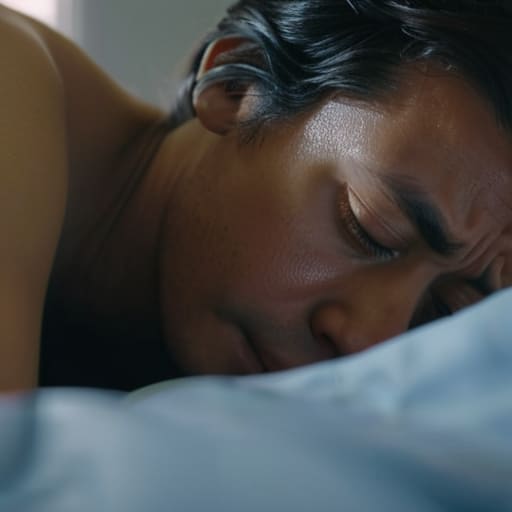
I spent a decade in dimly lit sleep labs, watching patients struggle through the night while tethered to a tangle of wires, and if there is one thing I’ve learned, it’s that people are remarkably bad at describing how they actually feel. Most of the “wellness” influencers telling you to buy a new supplement or a $400 smart ring are completely missing the point. They treat every heavy eyelid like a crisis, but they rarely stop to ask how fatigue differs from sleepiness in a way that actually matters for your health. One is a biological drive to shut your eyes, and the other is a systemic depletion that a nap won’t touch; if you confuse the two, you’re just chasing your tail with useless advice.
I’m not here to sell you a gadget or a lifestyle overhaul that requires you to wake up at 4:00 AM. My goal is to give you the clinical clarity I wish my patients had before they even walked into my clinic. We are going to strip away the jargon and the hype to look at the actual physiological signals your body is sending you. By the end of this, you’ll know whether you need a better bedtime routine or a proper medical investigation.
Understanding How Fatigue Differs From Sleepiness

In my clinic, I see this confusion play out every single week. People come in describing a heavy, soul-crushing weight that makes even making a cup of tea feel like a marathon, and they call it “sleepiness.” But sleepiness is a very specific physiological urge—that heavy-lidded, nodding-off sensation that hits when your brain is screaming for a nap. What you’re likely describing is the difference between physical exhaustion vs drowsiness. If you feel like you’re walking through waist-deep mud but you aren’t actually struggling to keep your eyes open, you aren’t sleepy; you are depleted.
When we look at the clinical side, we have to distinguish between a lack of restorative sleep and a systemic drop in energy. True sleepiness is a direct result of sleep pressure building up in your brain. Fatigue, however, is more insidious. It can manifest as a profound cognitive impairment from fatigue, where your brain feels “foggy” or slow, even if you’ve had eight hours of shut-eye. One is a signal that you need to close your eyes; the other is a signal that your body’s internal engine is running on empty.
Key Things to Know

If you’re sitting in my clinic, the first thing I’m looking for isn’t just a list of symptoms, but the context of your day. There is a massive difference between feeling like your battery is at 5% and feeling like you are physically about to fall asleep mid-sentence. When we talk about physical exhaustion vs drowsiness, we are looking at two entirely different physiological systems. One is a depletion of resources—your body is simply spent—while the other is a neurological drive to enter a sleep state.
You also need to watch for the subtle signs of chronic fatigue that people often mistake for simple sleepiness. If you find that your “tiredness” doesn’t actually resolve after a decent night’s rest, you aren’t just sleepy; you are likely dealing with a systemic issue that a nap won’t fix. I often see patients who are convinced they have insomnia, but in reality, they are experiencing a profound lack of restorative sleep that leaves them cognitively foggy, even if they technically spent eight hours in bed.
Practical Tips and Steps
If you’re trying to figure out which one you’re dealing with, start by looking at your response to a controlled environment. If you are experiencing drowsiness, a dark room and a quiet space will likely trigger an immediate urge to shut your eyes. However, if you are struggling with true physical exhaustion vs drowsiness, you’ll find that even in a pitch-black room, your body feels heavy and depleted, but your brain remains stubbornly, painfully wired. This is often a sign that you aren’t just “sleepy,” but are actually running on empty due to something more systemic.
To manage this, I suggest a two-pronged approach. For those experiencing simple sleepiness, the fix is usually straightforward: consistent sleep hygiene and a cool bedroom. But if you are noticing the signs of chronic fatigue—such as a heavy, aching sensation in your limbs that doesn’t lift with a nap—you need to stop trying to “power through” with more caffeine. Instead, start a simple log. Note when your energy levels and alertness dip most sharply. If the fatigue persists regardless of how much sleep you get, it is time to stop self-diagnosing and seek a clinical conversation.
Common Mistakes to Avoid
The biggest mistake I see in clinic is the attempt to treat one with the solution for the other. People who are experiencing true physical exhaustion vs drowsiness often try to “power through” their fatigue with extra caffeine or sheer willpower. If you are dealing with deep-seated exhaustion, more espresso isn’t going to fix a physiological deficit; it’s just going to mask the symptoms while your cognitive function takes a backseat. You might feel like you’re functioning, but the subtle cognitive impairment from fatigue is often there, even if you’ve become used to the mental fog.
Another pitfall is relying entirely on your wearable to tell you how you feel. I see patients every week who are convinced they have a sleep disorder because their ring gave them a “poor sleep score,” despite them feeling perfectly fine. Conversely, some people are suffering from genuine sleep deprivation symptoms but ignore them because their tracker says they hit their “sleep goals.” Your data is an estimate, not a clinical measurement. Don’t let a piece of plastic on your finger override what your own body is trying to tell you about your energy levels and alertness.
Final Thoughts
At the end of the day, my goal isn’t to give you a new list of chores to add to your evening routine. It is about helping you stop fighting the wrong battles. If you have been treating your brain fog with more caffeine when what you actually need is a clinical investigation into your breathing or iron levels, you are simply spinning your wheels. Distinguishing between physical exhaustion vs drowsiness is the first step toward actually feeling better, rather than just feeling “managed.”
Please, stop looking at your wrist to tell you how you feel. If your wearable says you had a “poor sleep score” but you feel alert and capable, trust your body, not the algorithm. Conversely, if you are experiencing persistent cognitive impairment from fatigue despite getting eight hours of shut-eye, that is a signal that requires professional attention, not a new supplement. We need to move past the idea that you just need to “try harder” at sleeping, and start looking at why your body isn’t allowing you to rest in the first place.
How to tell if you're actually sleepy or just running on empty
- Check your reaction to a dark room. If you feel a heavy, undeniable pull to close your eyes the moment the lights go out, that’s sleepiness. If you feel heavy and sluggish but your brain stays wired and alert in the dark, you’re likely dealing with fatigue.
- Look at your physical energy levels versus your cognitive ones. Sleepiness is a drive to sleep that affects your alertness; fatigue is a lack of energy that can make your limbs feel like lead even when you aren’t actually nodding off.
- Test the “nap response.” If a twenty-minute power nap makes you feel significantly more functional, you were likely sleep-deprived (sleepiness). If you nap and wake up feeling even more drained and “foggy,” you are likely experiencing fatigue, which a nap won’t fix.
- Pay attention to the timing. Sleepiness usually follows a circadian rhythm—it builds as the day wanes. Fatigue, however, can strike at any hour, often feeling like a constant, low-level depletion that doesn’t care if it’s noon or midnight.
- Stop treating them with the same toolkit. If you try to “push through” sleepiness with more caffeine, you’re just masking a biological need for rest. If you try to “sleep off” fatigue with an extra two hours in bed, you might find yourself feeling even more lethargic if the cause is something like iron deficiency or chronic inflammation.
The bottom line
Stop treating them as the same thing; if you’re trying to fix physiological fatigue with a midday nap, or trying to fix sleepiness with more caffeine, you’re likely just spinning your wheels.
Learn to listen to your body’s specific signals so you can tell if you need better sleep hygiene or a proper clinical investigation into a potential sleep disorder.
Don’t let a wearable’s vague “readiness score” dictate your reality—focus on whether you are actually struggling to stay awake or simply feeling the heavy weight of exhaustion.
Frequently Asked Questions
If I feel like I'm nodding off at my desk, is that a sign of a sleep disorder or just a symptom of being burnt out?
It’s the million-pound question, isn’t it? If you’re nodding off at your desk, we need to figure out if your brain is physically struggling to stay awake or if your nervous system is simply redlining. Burnout is a heavy, cognitive fog that makes everything feel impossible; a sleep disorder is a physiological failure of the sleep-wake cycle. One needs boundaries and rest; the other might need a clinical investigation. Don’t guess—track your wake times first.
Can a wearable tracker actually tell the difference between these two, or is it just guessing based on my movement?
Short answer? It’s guessing. Your tracker isn’t reading your brainwaves; it’s looking at your wrist. It uses accelerometers to track movement and heart rate variability to estimate your state, but it cannot distinguish between the heavy-lidded sensation of sleepiness and the profound, systemic drain of fatigue. It sees “rest” or “activity,” but it doesn’t know if you’re actually recovering or just lying still while your brain screams for help.
When should I stop trying to "fix" my energy levels with caffeine and actually book an appointment at a sleep clinic?
If you’re using caffeine to bridge the gap between your morning coffee and your afternoon slump, you aren’t managing energy; you’re just borrowing it from tomorrow. When your “fixes” start requiring more frequent doses or longer delays in your first cup just to feel baseline, stop. If you’re gasping for air at night or still exhausted after eight hours of sleep, stop the DIY chemistry and book the appointment. We need to see what’s actually happening.