I’ve spent seventeen years sitting in dimly lit sleep labs, watching the same cycle repeat: a patient arrives exhausted, clutching a handful of expensive “natural” supplements or a fancy wearable that insists they slept eight hours when they clearly haven’t. They’ve been sold a bill of goods by wellness influencers who claim that mouth taping or certain essential oils are the answer, but let’s be clear—if your airway is physically collapsing, a lavender mist isn’t going to save you. When we talk about how sleep apnoea is treated, we need to stop looking at the expensive gadgets designed to make you feel better and start looking at the clinical reality of actually breathing.
I’m not here to sell you a subscription to a sleep app or a boutique pillow. My goal is to cut through the noise and explain the actual clinical pathways, from CPAP to positional therapy, based on what I’ve seen work in the clinic versus what is just marketing fluff. I will show you how to distinguish between a lifestyle tweak and a medical necessity, so you can stop guessing and start getting the evidence-based care you actually deserve.
Beyond the Tracker Why Your Sleep Score Ignores Apnea
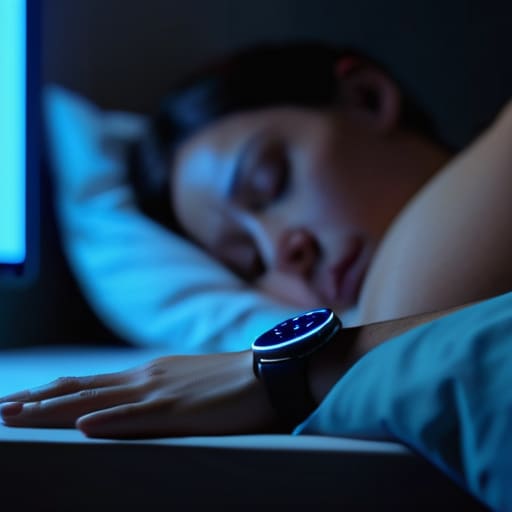
I see it every week in the clinic: a patient arrives, clutching their smartwatch like a holy relic, distraught because their “sleep score” was a dismal 42 last night. They are convinced they are failing at sleeping. The truth is, your tracker isn’t actually measuring your sleep; it is making an educated guess based on your movement and heart rate. While these devices are fine for spotting a restless night, they are notoriously blind to the physiological reality of an airway collapsing. A tracker might see you lying perfectly still and mark you down as being in “deep sleep,” when in reality, you are experiencing a series of micro-arousals because you’ve stopped breathing entirely.
This is why relying on consumer tech for obstructive sleep apnea management is so dangerous. A gadget can tell you that you moved, but it cannot tell you that your oxygen saturation has plummeted. We need to move past these digital approximations and look at clinical interventions. Whether we are discussing the nuances of different CPAP mask types and comfort or evaluating if you are a candidate for a custom-fitted device, the goal is to address the mechanics of your breathing, not just the rhythm of your wrist.
The Truth About How Sleep Apnoea Is Treated Today
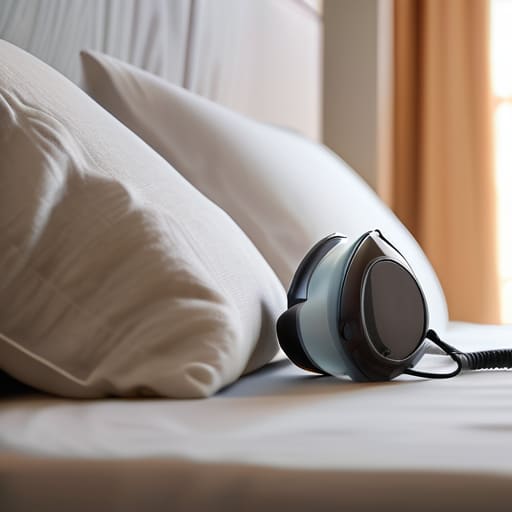
When we talk about obstructive sleep apnea management, the conversation usually defaults to one thing: the CPAP machine. And look, I won’t defend the “one size fits all” approach, but for many, it is the gold standard for a reason. It works. The problem isn’t usually the technology; it’s the interface. People come into my clinic frustrated because they can’t stand the feeling of a bulky device, but we now have a massive variety of CPAP mask types and comfort levels to explore. It’s often a matter of finding the right fit rather than accepting that you simply “can’t use it.”
However, CPAP isn’t the only tool in the shed. If your apnea is mild or positional, we might look at oral appliance therapy, which is essentially a custom-fitted device that keeps your airway open while you sleep. For others, there are more permanent surgical options for sleep apnea, though I tend to be cautious there—surgery is a heavy lift and doesn’t always guarantee a cure. And before we get too clinical, we have to address the basics: lifestyle changes for sleep apnea, like weight management or side-sleeping, can sometimes be the difference between needing a machine and simply needing a better routine.
Obstructive Sleep Apnea Management Science vs the Myths
You’ll often hear people suggest that if you just lose ten pounds or stop eating late, your breathing will magically settle. While certain lifestyle changes for sleep apnea—like weight management or sleeping on your side—can certainly take the edge off mild cases, they aren’t a “cure” for a structural collapse of the airway. I see it all the time in clinic: patients who have spent years trying to “willpower” their way out of a physical blockage. If your anatomy is the problem, no amount of chamomile tea or cutting out caffeine is going to clear the path for your breath.
The real divide in obstructive sleep apnea management lies between what is convenient and what actually works. People often jump straight to the most invasive surgical options for sleep apnea because they’ve heard horror stories, or they dismiss the gold standard because they find a CPAP machine intimidating. But we have to look at the mechanics. Whether it’s finding the right fit with various oral appliance therapy options or navigating the different CPAP mask types and comfort levels, the goal isn’t just to “try harder”—it’s to find the specific tool that keeps your airway open while you’re unconscious.
From Oral Appliance Therapy to the Surgical Route
If you aren’t a candidate for CPAP—or if you simply can’t stand the feeling of a machine breathing for you—we move into the territory of mechanical intervention. Oral appliance therapy is often the next logical step for those with mild to moderate cases. These are custom-fitted devices, usually made by a dentist specializing in sleep medicine, that physically nudge your lower jaw forward to keep that airway from collapsing. It’s not a magic wand, and it won’t fix everything, but for many, it’s the difference between a night of gasping and a night of actual rest.
Then there are the more definitive, albeit more daunting, surgical options for sleep apnea. This isn’t a “one size fits all” conversation; we’re talking about everything from removing tonsils to more complex procedures to reshape the soft palate or even advance the jaw. Surgery is rarely my first recommendation, but for the person whose anatomy is fundamentally working against them, it can be life-changing. The goal is always the same: to stop the collapse before it starts, rather than just managing the fallout.
Lifestyle Changes for Sleep Apnea What Actually Works
Now, I need to be very clear: if you have a clinical diagnosis, lifestyle changes are not a “cure,” but they are powerful tools for improving sleep apnea treatment compliance and making your medical interventions more effective. I often see patients who feel defeated by their CPAP machine, but they haven’t considered how their physical environment is working against them. If you are carrying excess weight around your neck, it physically narrows the airway, making every breath a struggle. Losing even a small percentage of body weight can significantly reduce the frequency of those terrifying pauses in breathing.
Similarly, we have to talk about position. If you are a chronic back sleeper, gravity is doing the work of a saboteur, pulling your soft tissues down into your throat. While it sounds simple, switching to side-sleeping—or using positional therapy aids—can be a game-changer for obstructive sleep apnea management. And please, for the love of all things restful, watch the alcohol. It’s a muscle relaxant, which sounds good in theory, but it actually causes the muscles in your throat to go limp, making your apnea much more severe. It isn’t about “trying harder”; it’s about physics.
Solving the Cpap Mask Types and Comfort Puzzle
I’ve sat in enough clinic consultations to know that the moment a patient hears “CPAP,” they don’t picture improved oxygen levels; they picture a claustrophobic nightmare of silicone and rubber straps. It is the single biggest hurdle in improving sleep apnea treatment compliance. If the mask feels like a medieval torture device or leaks air into your eyes every time you roll over, you simply won’t use it. It isn’t a matter of “willpower”—it’s a matter of ergonomics and facial anatomy.
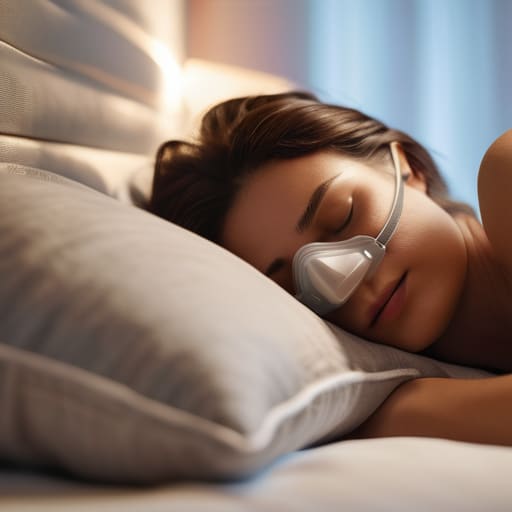
The reality is that there is no such thing as a “one size fits all” solution. You have nasal pillows if you want something minimal that stays out of your mouth, or full-face masks if you are a mouth-breather who can’t help but let your jaw drop. Finding the right fit is often a process of trial and error, and frankly, it can be frustrating. However, once we navigate the various CPAP mask types and comfort settings, the shift from feeling like you’re suffocating to actually breathing deeply is transformative. We aren’t just looking for a seal; we are looking for a way for you to forget you’re even wearing it.
Five things I wish my patients understood before they start treatment
- Don’t expect a “magic pill” or a gadget to fix it. Sleep apnoea is a mechanical problem—your airway is physically collapsing—so the solutions are almost always mechanical, whether that’s air pressure from a CPAP or a device that repositions your jaw.
- Your compliance matters more than your settings. You can have the most expensive, high-tech machine in the world, but if you only wear it three nights a week because it feels “clunky,” your heart and brain aren’t getting the protection they need.
- Stop trying to “lifestyle” your way out of a clinical diagnosis. While losing weight or sleeping on your side can help mild cases, if you have significant obstructive apnoea, no amount of chamomile tea or magnesium supplements is going to keep your airway open.
- Treat the mask fitting like a bespoke tailoring session. If the mask leaks or digs into your nose, you will fail. Don’t just settle for the first one the technician hands you; tell them it’s uncomfortable, because a poorly fitted mask is the number one reason people give up on treatment.
- Get your blood pressure and daytime fatigue checked alongside your sleep study. We aren’t just treating your snoring; we are treating the strain that these nightly oxygen drops put on your cardiovascular system. The goal isn’t just “better sleep,” it’s a longer, healthier life.
The bottom line: What you actually need to know
Stop using your wearable’s sleep score as a diagnostic tool; a tracker can tell you that you tossed and turned, but it cannot tell you if your airway collapsed or if your oxygen levels dropped.
There is no “one size fits all” fix, and that’s okay—the goal is to move past the myths and find the specific clinical intervention, whether that’s CPAP, an oral appliance, or targeted lifestyle changes, that actually addresses your specific physiology.
If you have been told you’re just “stressed” or “not trying hard enough” despite evidence of breathing issues, trust your symptoms over the generic advice; real sleep apnoea requires clinical management, not just a better bedtime routine.
Frequently Asked Questions
If I’m already using a CPAP machine but still feel like a zombie in the morning, is my machine actually working or do I need a different setting?
If you’re waking up feeling like a zombie despite the machine humming away, we need to look at the data, not your feelings. It’s rarely about the machine being “broken” and usually about the settings being wrong or your therapy being ineffective. Are you actually wearing it every night? Is the pressure high enough to keep your airway open, or are you just blowing air into a closed pipe? We need to check your central events and leak rates.
I’ve heard people talk about "awake apnea" or just snoring heavily—do I actually need medical treatment if I don't feel like I'm gasping for air?
It’s a common misconception that you have to wake up gasping to have a problem. In my clinic, I see plenty of people who sleep like logs but are actually experiencing significant desaturations. If you’re snoring heavily or feeling like you’re “fighting” for air without a conscious gasp, your brain might be pulling you out of deep sleep so subtly you don’t even notice. That’s not rest; that’s physiological stress.
If I decide to go the surgical route to fix my airway, what are the actual chances of it working long-term compared to just sticking with a mask?
Look, I’ll be blunt: surgery isn’t a “set and forget” cure for everyone. While it can be transformative for specific anatomical issues—like a deviated septum or enlarged tonsils—the success rates vary wildly depending on the procedure. For many, CPAP remains the gold standard because it’s predictable. Surgery is often a secondary option when the mask becomes intolerable, but you have to weigh the possibility of a permanent fix against the reality that some airway issues are simply too complex for a scalpel.