I’ve spent seventeen years watching people struggle through sleep studies, and if there is one thing I’ve learned, it’s that people often try to solve a biological problem with a retail solution. You’ve seen the ads: “transform your sleep sanctuary” with a thousand-pound linen set or a smart mattress topper that promises to track your REM cycles. But if you are trying to figure out how to set up a bedroom in a rented flat, all those expensive gadgets won’t matter if you’re sleeping in a room that feels like a literal sauna or a space where the streetlights bleed through thin, cheap blinds.
I am not here to sell you a lifestyle or a subscription to a sleep app. Instead, I want to give you the clinical reality of what actually moves the needle for your nervous system. We are going to look at the practical, non-destructive ways to control your environment—from managing light pollution to tackling that stubbornly high radiator temperature—without risking your security deposit. I’ll show you how to build a sleep-conducive space using evidence, not marketing hype.
Your Rental Bedroom Is Working Against You Lets Fix It
The problem with most rental bedrooms is that they were designed for a generic occupant, not for your specific physiological needs. You might be dealing with a room that is perpetually drafty or, more commonly, a space that feels like a literal oven because the landlord hasn’t updated the insulation in thirty years. I see this constantly in clinic: patients struggling with fragmented sleep, only to realize their environment is sabotaging their core temperature regulation. If you can’t control the thermostat, you have to control the environment.
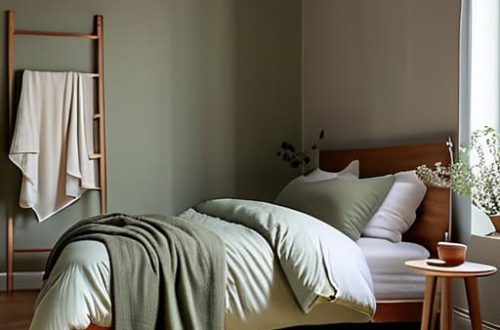
Since you can’t exactly strip the wallpaper or rewire the lighting, you have to get creative with apartment decorating without drilling. This isn’t about aesthetics, though; it’s about sensory control. I’m talking about using command hooks for renters to hang heavy, thermal-lined curtains that act as a makeshift barrier against street noise and temperature spikes. If the floor is a cold, unforgiving laminate, look into temporary flooring solutions like thick rugs to add an extra layer of thermal insulation. We aren’t just decorating; we are building a recovery pod that actually functions.
How to Set Up a Bedroom in a Rented Flat Effectively
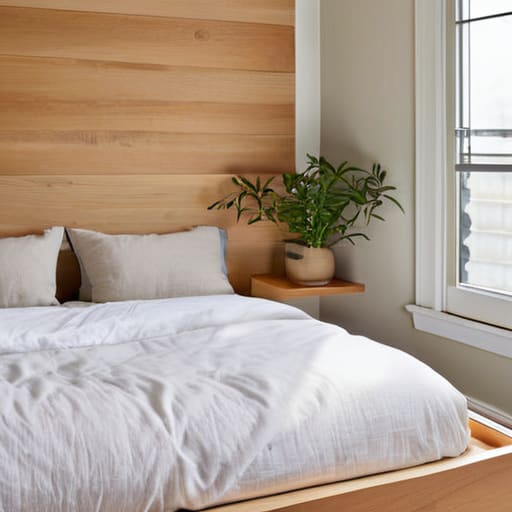
Since you can’t exactly call your landlord to demand better insulation or a different window layout, you have to work with the architecture you’ve been given. If your room feels like a cramped, clinical cell, focus on maximizing small bedroom space through layout rather than clutter. A heavy, oversized wardrobe might look lovely in a showroom, but in a tiny rental, it’s a sleep thief that traps heat and makes the air feel stagnant. Look for slim-profile bedside tables or even floating shelves using command hooks for renters to keep your floor clear; the more floor space you can see, the less your brain will feel “squeezed” when you lie down.
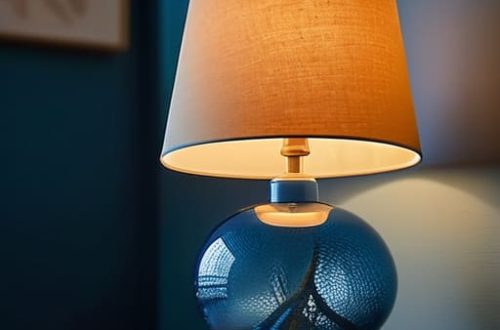
Lighting is your second battlefield. Most rental fixtures are harsh, overhead, and utterly unforgiving on your circadian rhythm. Since you can’t swap the ceiling light, bring in your own layers. Use warm-toned lamps or even battery-operated sconces to avoid the need for messy wiring. If the walls are a depressing shade of “landlord beige,” don’t worry about repainting; instead, use non-permanent wall decor like fabric hangings to dampen sound and soften the visual environment. It’s about creating a sensory sanctuary that signals to your nervous system that the day is officially over.
Mastering Non Permanent Wall Decor Without Losing Your Security Deposit
The biggest psychological hurdle in a rental is often the “hospital beige” effect—those sterile, white walls that feel less like a sanctuary and more like a temporary holding cell. When you can’t drill into the plaster, your instinct is to just live with the emptiness, but a barren room can actually increase your cortisol levels and make it harder to wind down. I’m not suggesting you go wild with a paintbrush, but you need to reclaim the space.
The secret is leaning into apartment decorating without drilling. I’ve seen patients try to “fix” their sleep by buying heavy, expensive furniture, but they ignore the fact that their room feels cold and uninviting. Instead, use command hooks for renters to hang lightweight fabrics or art that adds texture. If you have a particularly aggressive landlord, consider leaning a large, framed mirror against the wall; it adds depth and light without a single nail. It’s about creating a visual sense of containment and calm that tells your brain it is safe to switch off, even if you don’t own the bricks and mortar.
Using Command Hooks for Renters to Reclaim Your Vertical Space
I’ve spent years watching patients struggle with “clutter anxiety,” where a bedroom feels less like a sanctuary and more like a storage unit. When you’re living in a rental, that feeling is amplified because you can’t simply drill a shelf into the wall to get things off your bedside table. This is where command hooks for renters become more than just a DIY trick; they are a tool for psychological decompression. By using them to hang lightweight items—think your headphones, a silk eye mask, or even a light fabric tapestry—you start maximizing small bedroom space that would otherwise be swallowed by piles of “stuff” on your surfaces.
The trick, which I often tell my patients who feel overwhelmed by their environment, is to use these hooks to create a sense of order. If your visual field is cluttered, your brain struggles to downshift into sleep mode. Use them to clear the horizontal planes. Instead of a tangled mess of chargers and accessories on your nightstand, hang them up. It’s a simple way of practicing apartment decorating without drilling, ensuring your room feels intentional rather than accidental.
Smart Rental Friendly Furniture Ideas for Maximizing Small Bedroom Space
When you’re dealing with a cramped rental, the instinct is often to cram as much as possible into the room, but from a physiological standpoint, clutter is just visual noise that keeps your brain in a state of low-level alertness. I see this constantly in clinic; patients describe a “racing mind,” but when they describe their room, it’s a chaotic landscape of half-unpacked boxes and mismatched bedside tables. To truly succeed at maximizing small bedroom space, you have to stop thinking about floor area and start thinking about volume.
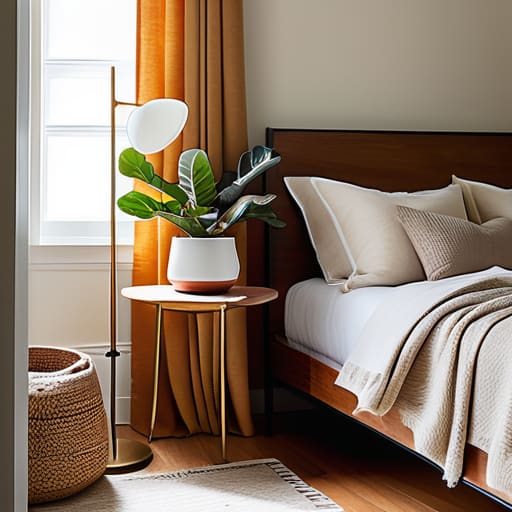
Look for pieces that serve dual purposes—a storage ottoman at the foot of the bed or a slim, rolling nightstand that can be tucked away. If you can’t change the layout, change the way you use the verticality of the room. Using rental friendly furniture ideas like tall, narrow bookshelves or even utilizing command hooks for renters to hang lightweight organizers can clear the surfaces that usually collect your “daytime” clutter. The goal is to create a visual vacuum around your sleeping area; if your eyes have nothing to snag on, your nervous system can finally settle into the task of winding down.
Apartment Decorating Without Drilling or Using Temporary Flooring Solutions
I know the feeling: you walk into a room with beige walls and that generic, industrial-grade carpet, and it feels less like a sanctuary and more like a temporary holding cell. It’s hard to wind down psychologically when your environment feels sterile or, worse, entirely not yours. Since we aren’t exactly in the business of losing security deposits, we have to get creative with apartment decorating without drilling. I often tell my patients that your environment dictates your circadian cues; if your room feels like a bland office, your brain won’t receive the “rest” signal it needs.
If you can’t change the floor, you have to layer it. I’m a big proponent of using large, high-quality area rugs to mask those hideous rental carpets. It’s one of the most effective temporary flooring solutions for dampening sound and adding a sense of warmth that a cold, flat surface just can’t provide. Pair this with non-permanent wall decor—think heavy-duty adhesive strips for lightweight art—and you can transform a space from a transient box into a proper sleep environment without ever reaching for a power drill.
The physiological essentials: What actually matters for your sleep
- Fix the light leakage first; if your landlord has provided thin, cheap blinds, you aren’t “insomniac,” you’re just being hit by streetlights at 3 AM. Invest in high-quality, tension-rod blackout curtains that don’t require a single drill hole.
- Address the thermostat issue by layering rather than fighting the building; if your rental is a drafty box or a literal oven, stop trying to adjust the central heating and focus on breathable, temperature-regulating bedding that works with the room’s climate.
- Dampen the acoustic chaos of apartment living with soft surfaces; if you can hear every footstep from the flat above, use thick area rugs and heavy fabric wall hangings to absorb the sound waves that are spiking your cortisol levels mid-sleep.
- Manage the “visual clutter” trap; small rental bedrooms often feel claustrophobic, and a cluttered environment keeps the brain in a state of low-level alertness. Use closed storage or stylish baskets to hide the mess so your mind can actually signal that it’s time to power down.
- Prioritize a consistent wake time over “sleep hygiene” gadgets; no amount of smart lighting or expensive bedside lamps will fix a sleep cycle that is constantly shifting because you’re trying to catch up on weekends. Set your alarm, get up, and let your circadian rhythm do the heavy lifting.
The Essentials for a Restful Rental
Prioritise temperature and light over aesthetics; a beautifully decorated room won’t help if you’re sweating or being woken by streetlights.
Focus on non-permanent fixes like command hooks and temporary flooring to create a sense of calm without risking your security deposit.
Optimise your small footprint with smart, multi-functional furniture to prevent the physical clutter that often leads to mental clutter at bedtime.
Frequently Asked Questions
If my landlord refuses to let me install proper blackout blinds, is there a way to block out streetlights without damaging the window frames?
I hear this one constantly in clinic. You can’t control the streetlights, but you can control your light hygiene. If the landlord won’t budge on blinds, stop fighting the window frames. Invest in high-quality, heavy-duty blackout curtains using a tension rod—they require zero drilling and wedge themselves into the frame. If that’s not enough, a weighted silk sleep mask is your best friend. It’s far more effective than any “sleep-enhancing” gadget you’ll find online.
I’ve been told my room is too warm for good sleep, but I can't change the heating system in my rental—what are my options?
It’s a common frustration. You can’t rewire the flat, but you can manage your microclimate. First, stop fighting the thermostat and start managing your bedding; swap synthetic fills for breathable cotton or linen to prevent heat trapping. If the room stays stuffy, a quiet, high-quality floor fan is more effective than any “sleep hack.” Finally, if you can’t lower the ambient temperature, focus on cooling your core—a lukewarm shower before bed actually helps your body temperature drop.
Can using a lot of temporary decor or command hooks actually affect the air quality or humidity levels in a small bedroom?
Honestly? No. A few Command hooks or some temporary tapestries aren’t going to shift the humidity or compromise your oxygen levels. I see people obsessing over their “sleep environment” while ignoring the real culprits: a bedroom that’s a literal oven or a lack of ventilation. Unless you’re covering every square inch of wall with heavy, dust-trapping fabrics, your decor won’t affect the air. Focus on the temperature and airflow first; the aesthetics are secondary.