
I’ve spent seventeen years sitting in dimly lit sleep labs, watching people struggle against the wires and the hum of monitors, and if there is one thing I’ve learned, it’s that the internet is lying to you about your brain. You’ll see influencers claiming that a magnesium supplement or a silk eye mask is the cure-all, but they completely gloss over the messy, complicated reality of how mental health affects rest. When your nervous system is stuck in a loop of high alert—whether that’s from clinical anxiety or just the relentless mental load of modern life—no amount of “sleep hygiene” is going to fix the fact that your brain refuses to hand over the keys to the night.
I’m not here to sell you a lifestyle hack or a fancy wearable that gives you a meaningless “sleep score.” My promise to you is a bit more grounded: I am going to help you distinguish between situational stress and a physiological cycle that requires actual clinical intervention. We are going to look at what is actually happening in your biology, separate the noise from the evidence, and figure out if you need a change in your environment or a different kind of support altogether.
Understanding How Mental Health Affects Rest
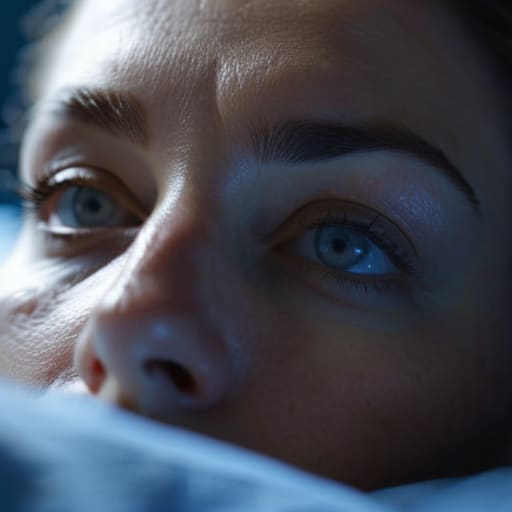
When I’m sitting in the clinic, I often see patients who are caught in a punishing feedback loop. They aren’t just “tired”; they are exhausted by the sheer effort of trying to force their brains to switch off. This is where we see the heavy lifting of cognitive arousal and sleep latency. It’s not that your body has forgotten how to sleep; it’s that your brain is stuck in a state of hyper-vigilance, scanning for threats or replaying a conversation from three hours ago. You can follow every “sleep hygiene” rule in the book—dimming the lights, no screens, lavender oil—but if your nervous system is screaming, those rituals feel like trying to put out a forest fire with a water pistol.
We also have to talk about the chemistry. When you are perpetually stressed, your cortisol levels and sleep disruption become inextricably linked. Instead of that gentle evening dip in hormones that signals it’s time to drift off, your body stays spiked, keeping you in a state of shallow, non-restorative light sleep. You might technically be “asleep” according to a wearable, but you aren’t actually resting. You’re just hovering in a state of physiological alertness that leaves you feeling more depleted in the morning than when you went to bed.
Key Things to Know

First, we need to stop treating “stress” as a vague, monolithic concept. In the clinic, I see the physical fallout of what I call cognitive arousal and sleep latency. This isn’t just feeling “stressed”; it is your brain remaining in a high-alert state long after you’ve turned the lights out, making the transition from wakefulness to sleep feel like an uphill battle. When your mind is racing through tomorrow’s to-do list or replaying an argument from three years ago, you aren’t just “thinking”—you are physiologically preventing your brain from entering those deeper, restorative stages.
Second, there is a very real chemical component to play here. It is the direct relationship between stress and restorative sleep that often trips people up. When you are under chronic pressure, your body’s internal chemistry is skewed; your cortisol levels stay elevated when they should be dropping, effectively acting like a biological alarm clock that refuses to be silenced. This is why “sleep hygiene” tips like buying silk pillowcases often feel like an insult to patients. If your endocrine system is screaming, a lavender spray isn’t going to fix the underlying disruption.
Practical Tips and Steps
If you’re lying there at 3:00 AM with your heart racing, you aren’t just “tired”—you are likely caught in a loop of cognitive arousal and sleep latency. Your brain has decided that the bed is a place for problem-solving rather than resting. To break this, we have to move beyond the standard “don’t look at your phone” advice. I often tell my patients to implement a “worry window” during the daylight hours. By dedicating fifteen minutes at 5:00 PM to writing down everything that is currently taxing your brain, you are essentially teaching your mind that it doesn’t need to perform these heavy lifting tasks the moment your head hits the pillow.
It is also vital to recognize the physiological reality of your stress response. When you are stuck in a cycle of high anxiety, your cortisol levels and sleep disruption create a feedback loop that is incredibly hard to break with willpower alone. Instead of fighting the wakefulness, try a sensory shift. A room that is slightly too warm is a common culprit, but if your mind is racing, try a weighted blanket or a temperature drop in the room. We aren’t trying to “force” sleep; we are trying to lower the physiological stakes so your body feels safe enough to actually let go.
Common Mistakes to Avoid
The biggest mistake I see in the clinic is people trying to “brute force” their way into sleep. You cannot command your brain to shut down through sheer willpower. When you are stuck in a loop of cognitive arousal and sleep latency, lying in bed for hours staring at the ceiling, you aren’t actually resting; you are training your brain to associate your mattress with a battleground. If you find yourself ruminating on every conversation you had three days ago, stop trying to “fix” it in bed. Get up, go to another room, and do something mindless until the physiological urge to sleep actually returns.
Another pitfall is the obsession with “fixing” your sleep hygiene while ignoring the physiological reality of your stress response. You can buy the most expensive linen sheets and dim the lights to a perfect amber glow, but if your cortisol levels and sleep disruption are out of sync due to chronic anxiety, those fancy pillows won’t save you. We often treat the bedroom environment as the primary culprit, when in reality, the issue is often a nervous system that doesn’t feel safe enough to power down. Stop chasing the perfect room temperature and start looking at why your body feels it needs to stay on high alert.
Final Thoughts
If you’ve spent months feeling like you’re failing at sleep, please hear me: it isn’t a character flaw. Whether you are dealing with a clinical issue or just a life that feels perpetually “on,” the relationship between stress and restorative sleep is a two-way street. You cannot simply willpower your way into deep sleep if your brain is stuck in a loop of cognitive arousal and sleep latency. You aren’t broken; you’re likely just stuck in a physiological feedback loop.
My advice is to stop chasing the “perfect” sleep score on your wrist and start looking at the bigger picture. If your mental load is heavy, no amount of blackout curtains or magnesium supplements will act as a magic wand. Focus on the fundamentals—consistency in your wake time and a cool room—but don’t ignore the internal noise. If you find that your mind simply refuses to disengage, it might be time to stop looking for better “hygiene” and start looking at managing insomnia through mental wellness. You deserve more than just a way to pass the time until dawn.
Distinguishing the noise from the signal
- Stop trying to “force” sleep when your brain is racing; if you’re lying there ruminating on a stressful workday, you aren’t fighting insomnia, you’re fighting a physiological stress response.
- Differentiate between “sleep hygiene” and clinical anxiety—dimming the lights helps a restless person, but it won’t stop a panic attack from hijacking your respiratory rate at 3:00 AM.
- Watch for the “anxiety-sleep cycle” where you start dreading the bed itself; once the bedroom becomes a place of psychological battle rather than rest, we’re looking at something more complex than just a bad habit.
- Don’t rely on your wearable’s “stress score” to tell you how you feel; if you’ve had a traumatic day, your tracker might say you’re stressed, but it can’t tell if that stress is a temporary spike or a chronic disruption to your sleep architecture.
- Be honest about whether your lack of rest is driving your low mood, or if your low mood is preventing sleep—they are a feedback loop, and treating one without acknowledging the other is like trying to fix a car by only looking at the exhaust.
The Bottom Line
Distinguish between a physiological sleep disorder and a psychological one; if your brain is racing due to anxiety, “sleep hygiene” alone won’t fix it, but if your bedroom is 22 degrees, no amount of therapy will make you sleep soundly.
Stop letting your wearable’s “sleep score” dictate your mood; a piece of consumer tech cannot measure your brain waves, and obsessing over a low score often creates the very hyperarousal that keeps you awake.
Consistency is your strongest clinical tool—stabilising your wake time is often more effective for resetting your system than trying to force yourself to fall asleep earlier.
Frequently Asked Questions
If my sleep is being driven by anxiety, will a formal sleep study actually show anything different from someone who just has poor sleep hygiene?
Short answer: Usually, no. If your sleep is being driven by anxiety, a standard polysomnography—the kind we run in the clinic—will likely show a “normal” study. It’ll show you’re breathing fine and your brain waves are hitting the right stages, even if you felt like you were fighting for your life all night. A sleep study measures physiological events, not your mental state. It tells us if your body is failing, not if your mind is racing.
How can I tell if my racing thoughts are a symptom of a clinical sleep disorder or just a side effect of my mental health struggles?
If your racing thoughts happen only when you hit the pillow, we look at your sleep architecture. In a clinical setting, I’m looking for things like sleep apnea or periodic limb movement disorder—physical disruptions that trigger a “fight or flight” response, waking your brain up mid-cycle. But if your mind is racing long before you reach the bedroom, it’s likely your mental health driving the bus. One is a biological glitch; the other is a cognitive one.
My wearable says my "restorative sleep" is low when I'm feeling stressed—should I be adjusting my habits based on that score, or is it just noise?
Put the tracker in a drawer for a week. These devices are essentially sophisticated pedometers for your brain; they estimate sleep stages using movement and heart rate, but they aren’t measuring your brain waves. If you’re stressed, your sympathetic nervous system is firing, and the sensor sees that physiological arousal and calls it “poor” sleep. It’s often just noise. Trust how you feel when you wake up, not a proprietary algorithm.