I spent a decade in a darkened sleep lab, watching patients twitch and toss while wired to a headbox, and if there is one thing I’ve learned, it’s that the “sleep experts” on your Instagram feed are often making it up as they go. You’ll see ads for expensive supplements or “smart” mattresses promising to fix your life, all based on the vague assumption of how sleep need changes with age. Most of the time, when a patient comes into my clinic complaining that they can’t sleep like they did in their twenties, they aren’t suffering from a mysterious age-related deficit; they are usually just dealing with a circadian rhythm that has drifted or a bedroom that is far too warm.
I’m not here to sell you a wearable or a magnesium gummy. My goal is to cut through the noise and tell you what the actual clinical data says about how sleep need changes with age, separating the genuine physiological shifts from the bad habits we pick up along the way. I will help you understand what is a normal part of maturing and what is a genuine sleep disorder that deserves actual medical attention, rather than just another “sleep score” on your wrist.
Understanding How Sleep Need Changes With Age
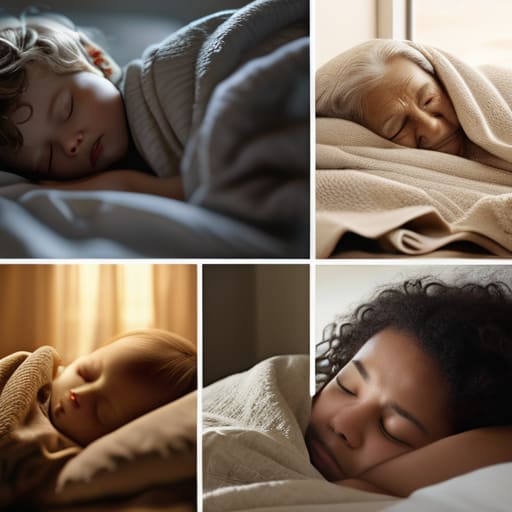
When I look at the data from my years in the clinic, the first thing I notice is that people tend to view sleep as a static requirement—a fixed number of hours that stays the same from childhood to retirement. It isn’t. While we often talk about sleep duration by life stage as a simple downward curve, the reality is more nuanced and, frankly, more frustrating for the patient. It isn’t just that you need less sleep; it’s that the architecture of that sleep begins to shift.
As we move through the decades, we see significant circadian rhythm changes with aging. For a teenager, the biological clock is screaming for a later bedtime, whereas for an older adult, the body often starts trying to “reset” much earlier in the evening. This isn’t necessarily a sign of a clinical disorder, but rather a physiological drift. You might find yourself waking at 5:00 AM and feeling wired, not because you’ve lost the capacity for rest, but because your internal clock has moved the goalposts. Distinguishing this natural shift from genuine insomnia is where most people—and most online advice—get it wrong.
Key Things to Know
First, let’s clear up a massive misconception: aging doesn’t necessarily mean you need less sleep, it just means your ability to stay asleep becomes more fragile. While an infant’s sleep requirements are driven by sheer developmental necessity, and an adolescent is battling a massive hormonal shift, older adults are often dealing with a more fragmented architecture. You aren’t losing the need for rest; you are losing the efficiency of it.
The most significant shift I see in the clinic is how circadian rhythm changes with aging. Your internal clock tends to drift earlier, which is why you might find yourself nodding off at 8:00 PM and waking up at 4:00 AM. This isn’t a disease, but it can feel like one if you’re comparing your current rest to how you slept in your thirties.
It is also vital to distinguish between natural sleep patterns in elderly populations and actual pathology. If you are waking up frequently but feeling refreshed, that is often just a shift in sleep stages. However, if those awakenings are accompanied by gasping or heavy snoring, we aren’t looking at “old age”—we’re looking at a clinical issue that needs treating.
Practical Tips and Steps
If you are noticing that your sleep feels thinner or more fragmented, the first step isn’t to buy a new gadget; it’s to look at your environment and your consistency. Because circadian rhythm changes with aging often manifest as an earlier tendency to drift off and wake up, I tell my patients to stop fighting the clock. If you find yourself waking at 5:00 AM, don’t spend two hours tossing and turning in a bed that is too warm. Instead, focus on anchoring your wake time. Even if you didn’t sleep well, getting up at the same time every day—regardless of when you finally drifted off—is the most effective way to stabilize your internal clock.
Secondly, we need to distinguish between a change in sleep architecture and poor sleep hygiene. As we age, we naturally spend less time in deep, slow-wave sleep, which can feel like a loss of quality. To mitigate this, focus on light exposure. Get bright, natural light in your eyes shortly after waking to signal to your brain that the day has begun. This helps regulate the hormonal shifts that influence sleep patterns in elderly populations. It isn’t about sleeping more; it’s about making the sleep you do get more reliable.
Common Mistakes to Avoid
The biggest mistake I see in the clinic is people treating a natural shift in sleep architecture as a medical crisis. There is a tendency to panic when you notice you’re waking up earlier or staying lighter during the night, often assuming you’ve suddenly developed chronic insomnia. In reality, what you’re often seeing is simply how circadian rhythm changes with aging. Your internal clock begins to drift, pulling your sleep window earlier, but that doesn’t mean you’re “broken.” If you try to force yourself to stay awake until midnight just to hit a specific number on a screen, you’re likely just creating more anxiety than actual exhaustion.
I also see a lot of people trying to apply “one size fits all” advice. You cannot take the sleep hygiene tips meant for an adolescent and expect them to work for a sixty-year-old. The impact of aging on sleep quality is real, but it’s often misunderstood; people try to fix everything with supplements or heavy sedation, when the real issue might be a bedroom that’s far too warm or a schedule that lacks any consistency. Stop chasing a perfect eight hours—it’s a myth that doesn’t account for the biological reality of your current life stage.
Final Thoughts
If there is one thing seventeen years in a sleep clinic has taught me, it’s that we are far too quick to pathologise the natural shifts in our biology. When I see patients in my clinic, they are often terrified that their changing sleep patterns are a sign of a failing system. In reality, what you are often witnessing is simply the natural impact of aging on sleep quality—a shift in architecture, not necessarily a loss of function.
Please, stop letting your wearable tell you that you’ve “failed” at sleeping just because your deep sleep numbers look different than they did in your twenties. Those devices cannot distinguish between a genuine disorder and the subtle way circadian rhythm changes with aging. My advice is to stop chasing a specific number of hours and start looking at how you actually feel when you wake up. If you are rested, your body is doing its job, regardless of what a colorful graph on your phone suggests. Focus on your consistency, keep your room cool, and trust your own physiology over an algorithm.
Five things to stop worrying about (and one thing to actually watch)
- Stop trying to force yourself to sleep for eight hours. As we age, our sleep architecture shifts; you’ll likely spend less time in deep, restorative slow-wave sleep and more time in lighter stages. If you’re waking up feeling functional, don’t panic just because your total time in bed has dropped.
- Watch your wake-up time more than your bedtime. I always ask this first because the biggest “age-related” sleep issue is actually just a drifting circadian rhythm. If you start drifting earlier and earlier, don’t fight it by staying up late; instead, focus on keeping that morning anchor point consistent to prevent your internal clock from fragmenting.
- Ditch the “sleep score” anxiety. I see it in the clinic all the time—patients obsessed with a wearable telling them they had “poor quality” sleep. These devices are measuring movement and heart rate, not brain waves. If you feel rested, trust your body, not a piece of silicon on your wrist that doesn’t know the difference between a dream and a restless leg twitch.
- Check your bedroom temperature twice. One of the most common reasons older adults struggle to stay asleep isn’t a “disorder,” it’s thermoregulation. Our bodies become less efficient at shedding heat as we age, and a room that felt fine in your thirties might be keeping you in a state of constant micro-arousal now.
- Distinguish between “difficulty falling asleep” and “difficulty staying asleep.” If you can’t get to sleep, it’s often a lifestyle or light exposure issue. If you are waking up at 3:00 AM and can’t get back to sleep, that is more likely a physiological shift or a potential clinical issue like sleep apnea, which requires a much different approach than just “trying harder.”
The bottom line
Don’t mistake a shift in sleep architecture for a loss of sleep; you aren’t necessarily needing less rest, your body is just becoming more sensitive to disruptions.
Stop letting your wearable’s “sleep score” dictate your anxiety; a gadget estimating your stages is no substitute for how you actually feel when you wake up.
Distinguish between age-related changes and bad habits—fixing a temperature or a wandering wake time is often more effective than chasing a “magic” supplement.
Frequently Asked Questions
If my sleep feels more fragmented as I get older, does that mean I actually need less sleep, or am I just becoming less efficient at getting it?
It’s rarely about needing less sleep; it’s almost always about sleep efficiency dropping. As we age, our sleep architecture shifts—we spend less time in those deep, restorative stages and more time in lighter sleep. This makes you more susceptible to every little noise or temperature shift. You aren’t “less sleepy,” you’re just more easily interrupted. Don’t let a fragmented night convince you that you’ve suddenly become a low-sleep person; you’re just a more sensitive sleeper.
My wearable says my deep sleep is plummeting as I age, but I feel fine—should I be worried about what that "score" is actually telling me?
If you feel fine, please, put the watch in a drawer. Those “deep sleep” scores are not medical measurements; they are educated guesses based on movement and heart rate. They aren’t measuring your brain waves in a controlled lab setting. As we age, sleep architecture naturally shifts, but your wearable doesn’t know the difference between a physiological change and a sensor error. If you aren’t waking up exhausted, the “plummeting” score is just noise.
At what point do I stop blaming my age and start looking for a clinical sleep disorder like apnea?
Look, if you’re just waking up a bit later or feeling less “sharp” in the mornings, that’s often just the natural shift in sleep architecture. But if you’re gasping for air, waking up with a throbbing headache, or your partner says you sound like you’re choking, stop blaming your age. That isn’t “getting older”—that’s a clinical red flag. When your exhaustion feels heavy and unfixable, it’s time to see a specialist.