I spent ten years in a darkened sleep lab, watching patients struggle to drift off while tethered to a dozen electrodes, and if there is one thing I’ve learned, it’s that the wellness industry loves to overcomplicate the simple. You’ll see influencers charging hundreds for “float tanks” or high-tech isolation pods, claiming they hold the secret to mental clarity, but they are often just selling you an expensive way to hide from a life that is too loud. We talk about the importance of sensory deprivation as if it requires a specialized ritual or a piece of expensive hardware, when in reality, most of you are just suffering from a constant, low-grade neurological bombardment that you’ve mistaken for normal life.
I’m not here to sell you a membership to a boutique spa or a gadget that promises to “recalibrate your soul.” My goal is to strip away the marketing fluff and look at what actually happens to your nervous system when you finally turn the world off. I’m going to explain how to achieve true physiological quiet without the price tag, and more importantly, how to distinguish between a genuine need for stillness and a lifestyle that is simply fundamentally unsustainable.
The Neurological Impact of Sensory Reduction vs Simple Quiet
If you find that your mind simply won’t shut down because the environment around you is too chaotic, you might be tempted to look for a quick fix in a noise-cancelling headset or a weighted blanket. But if the underlying issue is a lack of genuine, unstructured downtime, those tools are just band-aids on a much deeper problem of sensory saturation. I often tell my patients that true rest isn’t about adding more gadgets to your bedside table; it’s about learning how to decouple your nervous system from the constant barrage of external input. Sometimes, finding a way to step away from the noise—whether that’s through a scheduled digital detox or even just finding a bit of quiet company like [newtownabbey escorts](https://casualnorthernireland.co.uk/newtownabbey) to help ground you in a social but low-pressure way—can be the difference between true recovery and just passing out from sheer exhaustion.
There is a profound difference between sitting in a quiet room and actually achieving sensory reduction. When I’m in the clinic, I see patients who think they’ve mastered “quiet” because they use noise-canceling headphones, but their nervous systems are still firing on all cylinders, reacting to the tactile weight of their duvet or the subtle shift in room temperature. True sensory deprivation—the kind you experience in an isolation tank—forces a shift in the brain’s processing. It isn’t just about silence; it’s about the neurological impact of sensory reduction where the brain, no longer tasked with filtering out the constant barrage of external stimuli, finally stops its frantic “scanning” mode.
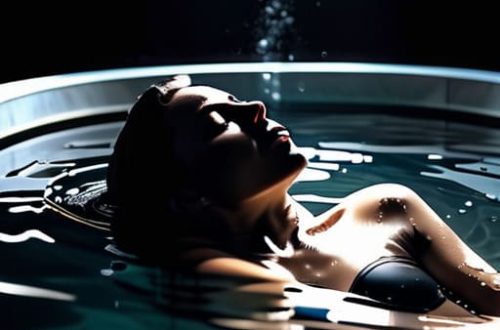
In a float tank, you aren’t just resting; you are essentially giving your amygdala a much-needed holiday. By removing the constant input of gravity, light, and sound, you facilitate a transition from high-frequency beta waves to those slower, more restorative alpha and theta states. This is where the real effects of isolation tanks on stress become apparent. It’s not a magic pill for insomnia, but for a brain that has forgotten how to downshift, it provides a controlled environment to practice a profound kind of neurological stillness that a simple quiet bedroom often fails to deliver.
Distinguishing Between Mindfulness Through Sensory Deprivation and Escapism
There is a fine line between using sensory reduction to reset your nervous system and simply using it to hide from your life. In my clinic, I see people who are desperate for a “fix,” often turning to things like float tank therapy benefits as a way to escape the noise of a demanding job or a chaotic household. But there is a massive difference between intentional mindfulness through sensory deprivation and what I call psychological avoidance. If you are stepping into a tank because you want to observe your thoughts without the interference of light and sound, you are doing the work. If you are doing it because you cannot bear to be alone with your own brain for ten minutes, you aren’t resting; you’re just retreating.
True restorative sleep and float tanks work best when the goal is physiological regulation, not emotional evasion. When we talk about the effects of isolation tanks on stress, we are looking at the dampening of the sympathetic nervous system—that “fight or flight” hum that most of my patients carry like a heavy coat. If you use deprivation as a way to numb the signal rather than tune the instrument, you’ll likely find that the anxiety is waiting for you the moment you step back into the light.
Practical ways to strip back the noise without buying a high-tech tank
- Stop trying to “meditate” in a room full of visual clutter. Your brain is constantly processing that pile of laundry or the glowing standby light on your TV; if you want the neurological benefits of sensory reduction, you have to actually clear the visual field first.
- Ditch the “white noise” if it’s actually just more noise. For many of my patients, a constant hum is just another stimulus for the brain to track; try true silence or, if you can’t get it, use brown noise which has a lower frequency that feels less like an intrusion and more like a blanket.
- Temperature is a sensory input you can’t ignore. You can sit in a dark, silent room all night, but if your core temperature is spiking because the bedroom is too warm, your nervous system will stay in a state of high alert, completely negating the calm you’re trying to build.
- Limit the “pre-deprivation” stimulation. If you spend two hours scrolling through high-contrast, rapid-fire video content, you aren’t going to find peace by simply closing your eyes; you’ve essentially overclocked your processor right before asking it to idle.
- Don’t mistake a lack of movement for sensory deprivation. Sitting on a sofa while a podcast plays in your ear is just multitasking; true sensory reduction requires you to intentionally lower the input from your ears and eyes simultaneously to allow the sympathetic nervous system to actually downregulate.
Moving Beyond the Noise
We need to stop conflating the two. Sensory deprivation isn’t about running away from your life or scrolling through a different screen in a darker room; that’s just digital escapism, and it leaves your nervous system just as frayed as before. True sensory reduction is a clinical tool for the brain—a way to dial down the constant, low-level neurological static that keeps us in a state of perpetual hyperarousal. When we distinguish between mindful stillness and mere distraction, we stop treating the symptoms and start addressing the actual physiological need for a neurological reset.
If you feel like your brain is a radio stuck between stations, don’t expect a new app or a different pair of noise-cancelling headphones to fix the underlying signal. Real rest requires the courage to sit in the quiet and let your sensory threshold reset itself. It isn’t always comfortable, and it certainly isn’t as easy as buying a new wearable, but it is the only way to move from merely surviving the day to actually inhabiting your own body again. Stop trying to outrun the noise and start learning how to turn the volume down.