I spent a decade in dimly lit sleep labs, watching patients twitch and toss while wired to a headbox, and if there is one thing I’ve learned, it’s that the internet is lying to you. You’ve likely been sold a “complete guide to sleep and mental health” that involves expensive supplements, $300 smart rings, or complicated breathing rituals that do nothing for someone with a genuine physiological issue. Most of the “wellness” advice out there is just expensive noise designed to make you feel like you’re failing at rest, when in reality, you might just have an irregular wake time or a bedroom that’s far too warm.
I’m not here to sell you a lifestyle or a new gadget. My promise to you is a bit more clinical, but hopefully much more useful: I am going to help you strip away the fluff and find out what is actually happening in your brain and body. We are going to look at the evidence-based reality of how your rest impacts your mood, how to tell the difference between a bad habit and a clinical disorder, and why your tracker’s “sleep score” is likely completely wrong.
Beyond the Hype a Complete Guide to Sleep and Mental Health
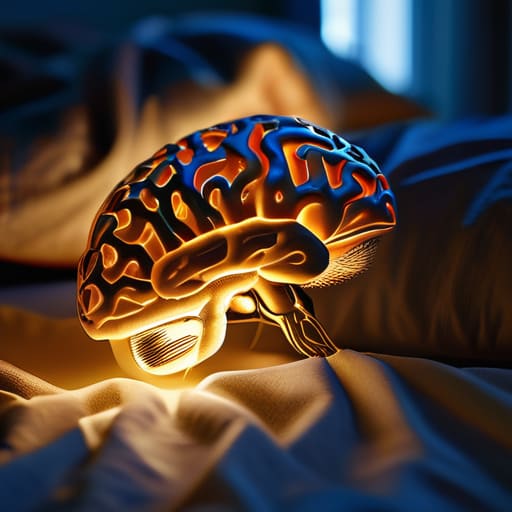
We need to stop treating sleep and mental health as two separate entities that occasionally bump into each other. In the clinic, I see the fallout of this separation every day. When people talk about their mental health, they often overlook the fact that sleep deprivation and cognitive function are inextricably linked; you cannot expect to regulate your emotions or process complex stressors when your brain hasn’t had the chance to perform its nightly maintenance. It isn’t just about feeling “tired”—it’s about the biological reality that a brain starved of restorative stages is a brain stuck in a state of hyper-vigilance.
This is where the nuance matters. If you are struggling with anxiety, you might find yourself obsessing over every minute of lost rest, which only fuels the cycle. I often explain to patients that the impact of REM sleep on mood is profound; this is the stage where we process the emotional “sting” of the day. If you aren’t getting enough of it, the world feels sharper, louder, and more threatening. We aren’t just looking for more hours in bed; we are looking for the specific architecture of sleep that allows your mind to reset.
Why Your Tracker Lies About Sleep Deprivation and Cognitive Function
I’ve spent seventeen years watching people sleep under the clinical scrutiny of a headbox, and if there is one thing I have learned, it is that your wristband is a terrible liar. These wearables use accelerometers to guess your sleep stages based on movement, but they are essentially just counting how much you toss and turn. They cannot see your brain waves, they cannot measure your respiratory effort, and they certainly cannot tell you if you are actually experiencing sleep deprivation and cognitive function impairment. You might wake up with a “90% sleep score” on your app, yet feel like a walking zombie because the device failed to distinguish between light, fragmented sleep and the restorative stages you actually needed.
The danger lies in the false sense of security these gadgets provide. If you are struggling with mood swings or brain fog, a high score on a piece of consumer electronics can lead you to dismiss a genuine issue. We know that the impact of REM sleep on mood is profound; it is the period where our brains process emotional data. If your tracker misses your REM cycles because you were lying still but not actually sleeping, it is giving you a mathematical fiction, not a medical reality.
Decoding the Link Between Circadian Rhythm and Emotional Regulation
We need to stop treating the brain and the biological clock as two separate entities. When I’m sitting in clinic with a patient, they often describe a sense of emotional volatility—feeling “on edge” or disproportionately tearful—without realizing their internal clock is the culprit. The connection between circadian rhythm and emotional regulation isn’t just some abstract concept; it is a physiological reality. Your brain uses the predictable rise and fall of light and temperature to time the release of hormones that keep your mood stable. When that timing is fractured by irregular wake times or constant blue light exposure, your emotional “braking system” effectively fails.
This is where we see the real damage. It isn’t just about feeling tired; it is about how the impact of REM sleep on mood acts as a nightly emotional reset. During REM, your brain processes the day’s stressors, stripping away the emotional sting from difficult memories. If you are cutting that stage short or fragmenting it, you aren’t just losing rest; you are losing your ability to regulate your reactions to the world. You aren’t “just stressed”—you are physiologically unequipped to handle stress.
Is It Insomnia or Just Poor Sleep Hygiene for Stress Management
Here is the distinction I make in the clinic every single week: most people aren’t suffering from a clinical sleep disorder; they are suffering from a lifestyle that is fundamentally at odds with their biology. When a patient tells me they can’t sleep, I don’t start with their anxiety levels. I ask what time they get up. If your wake time fluctuates by two hours depending on whether it’s a Tuesday or a Saturday, you aren’t “insomniac”—you are simply confusing your internal clock. This lack of consistency makes sleep hygiene for stress management nearly impossible because your body never knows when to initiate the chemical cascade required for rest.
There is a massive difference between a brain that cannot shut down due to a physiological glitch and a brain that is simply overstimulated by blue light and irregular routines. While the former requires clinical intervention, the latter often just needs a cooler room and a predictable schedule. We have to stop conflating the two. If you treat a genuine disorder with nothing more than “lavender oil and no screens,” you are wasting time. Conversely, if you treat a bad habit with heavy sedation, you are masking a problem that sleep hygiene could have solved.
The Hidden Impact of Rem Sleep on Mood Stability
In the clinic, I often see patients who are convinced they are suffering from a deep-seated anxiety disorder, when in reality, they are simply experiencing the fallout of fragmented REM sleep. While the lighter stages of sleep handle your physical recovery, REM is where the heavy lifting of emotional processing happens. Think of it as a nightly therapy session where your brain strips the visceral, painful “sting” away from the day’s events. When you are consistently deprived of this stage, you aren’t just tired; you are emotionally raw. This is the direct impact of REM sleep on mood, and it’s why even a small amount of sleep fragmentation can make you feel like the world is tilting on its axis.
If you’ve been tracking your sleep and noticing that your “recovery” scores are plummeting despite getting seven hours in bed, pay attention to your sleep architecture. It isn’t just about duration; it’s about the quality of those rapid-eye-movement cycles. Without them, the connection between circadian rhythm and emotional regulation begins to fray, leaving you reactive, irritable, and unable to buffer against daily stressors. You aren’t just “stressed”—your brain is effectively losing its ability to regulate its own emotional thermostat.
Distinguishing Real Sleep Disorders and Mental Wellness From Bad Habits
In my seventeen years in the clinic, I’ve seen the same pattern repeat: a patient arrives, visibly exhausted, convinced they are suffering from a chronic neurological failure, only for us to find their “insomnia” is actually just a byproduct of a chaotic schedule and a bedroom that feels like a sauna. There is a massive difference between someone struggling with insomnia and psychological well-being due to life stress, and someone whose brain is physically failing to transition through sleep stages. If your primary issue is a racing mind at 2:00 AM because you’ve been scrolling through news feeds, you don’t need a clinical intervention; you need a consistent wake time and a cooler room.
However, we cannot let the “just fix your habits” crowd dismiss the people who are truly suffering. There is a specific, heavy kind of exhaustion that comes when you have a genuine clinical disorder—like sleep apnea or restless leg syndrome—that no amount of “sleep hygiene for stress management” will ever fix. When I look at a polysomnography readout, I can see the difference between a person who is simply tired and a person whose body is fighting for oxygen. One requires a change in lifestyle; the other requires medical treatment.
Five ways to actually fix your sleep without buying another gadget
- Stop checking your wake-up time as an afterthought; your consistency in the morning is what dictates your ability to drift off at night.
- Lower the thermostat; you cannot expect your brain to transition into deep sleep if your bedroom feels like a sauna.
- Ignore the “Sleep Score” on your wrist; it’s a proprietary algorithm, not a clinical measurement, and obsessing over it is just a recipe for orthosomnia.
- Differentiate between “trying harder” and “fixing a system”; if you have a genuine respiratory issue, no amount of chamomile tea or meditation will solve the underlying physiological problem.
- Prioritise light exposure in the morning over darkness at night; you can’t force a circadian rhythm to reset if you spend your daylight hours in a dim office.
The Bottom Line
Stop letting your wearable dictate your anxiety; a “low sleep score” is a mathematical guess, not a clinical measurement of your brain’s recovery.
Learn to distinguish between lifestyle-induced sleep issues—like an irregular wake time or a stuffy bedroom—and genuine clinical disorders that require medical intervention.
Prioritize consistency over “trying harder,” because you cannot force sleep through willpower, but you can protect your mood by stabilizing your circadian rhythm.
Frequently Asked Questions
If my wearable says I'm getting enough sleep but I still feel emotionally fragile every morning, which one should I actually trust?
Trust your body, not the wristband. I’ve spent seventeen years scoring polysomnograms—actual clinical data—and I can tell you: a wearable is a glorified pedometer for movement, not a window into your brain chemistry. If you feel emotionally fragile, your nervous system is telling you something is wrong. Your tracker might see “eight hours of sleep,” but it can’t see if that sleep was fragmented, shallow, or devoid of the restorative architecture you actually need.
How can I tell if my anxiety is causing my sleep issues, or if the lack of sleep is what’s actually driving my anxiety?
It’s the ultimate “chicken or the egg” dilemma, isn’t it? In the clinic, I see this loop constantly. If your racing thoughts keep you awake, the anxiety is likely the driver. But if you’re waking up feeling physically “wired” or jittery despite a quiet mind, the sleep deprivation itself is likely hijacking your nervous system. Look at your wake time: if your anxiety spikes specifically when you’re overtired, it’s the lack of sleep driving the bus.
When should I stop trying to fix my "sleep hygiene" and actually go to a clinic to request a formal sleep study?
If you’ve spent three months strictly regulating your wake time, cooling your bedroom to 18 degrees, and ditching the evening screen, but you’re still waking up gasping or feeling like you haven’t slept at all—stop. Sleep hygiene won’t fix a physiological obstruction or a neurological glitch. When “perfect” habits fail to stop the daytime exhaustion, that is your signal to stop playing at self-improvement and request a formal clinical study.