
I was out on my usual dawn walk this morning—a bit of a professional hazard, I know—when the light hit that specific, bruised purple of a late autumn sky, and I felt that familiar, heavy pull in my chest. It’s that moment where you realize the days are shrinking and your energy is following suit. Most people will tell you that what you’re feeling is just a “seasonal slump” and try to sell you a subscription to a meditation app or a fancy new wearable to track your “recovery scores.” But after seventeen years in a sleep clinic, I’m telling you that the marketing is nonsense. We need to stop overcomplicating how seasonal change affects mood and sleep with expensive gadgets and start looking at the actual biology of your circadian rhythm.
I’m not here to give you a list of lifestyle platitudes or tell you to “just think positive.” My promise to you is a bit more grounded: I am going to help you distinguish between a genuine physiological shift caused by light deprivation and the simple, fixable habits that fall apart when the weather turns grey. We will look at what the science actually says about light exposure, temperature, and your wake times, stripping away the hype to find what actually works for your biology.
Why Seasonal Change Affects Mood and Sleepand Why Youre Being Misled
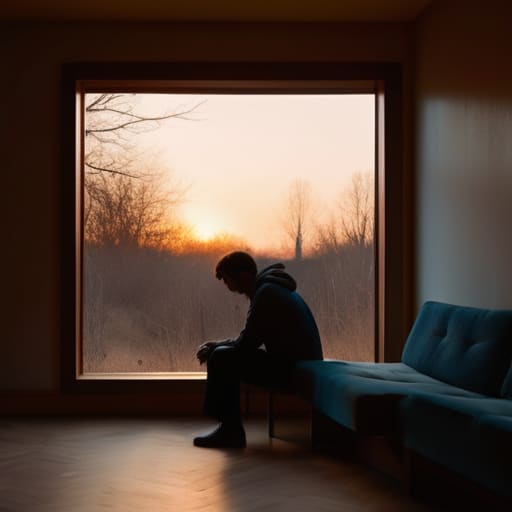
The problem is that most wellness influencers treat the seasonal shift like a minor inconvenience you can “hack” with a scented candle or a magnesium supplement. They talk about “optimising your environment” as if you’re just dealing with a bit of a slump, when in reality, your biology is reacting to a massive, systemic shift in light availability. When the days shorten, the relationship between circadian rhythm and sunlight exposure gets thrown into chaos. Your brain isn’t just feeling “blue”; it is struggling to time its internal clock because the external cues it relies on—the rising and setting of the sun—have moved the goalposts.
This isn’t just about feeling a bit sluggish in the afternoon. We are talking about a fundamental shift in melatonin production in winter, where the timing of your sleep hormones can drift, making you feel like a zombie during the day and a restless ghost at night. Most people are told to “just stick to a routine,” but that advice is useless if they don’t understand that their biology is actively fighting that routine. We need to distinguish between a messy lifestyle and a legitimate physiological response to the dark.
Your Circadian Rhythm and Sunlight Exposure the Real Biological Driver
Here is the reality: your brain isn’t just reacting to the cold or the gloom; it is reacting to a lack of data. Your internal clock—your circadian rhythm—relies on specific photons hitting your retina to know whether it is time to be alert or time to wind down. When the days shorten, that signal becomes weak and unreliable. The impact of daylight hours on sleep quality is profound because, without that bright morning cue, your body doesn’t quite know when to start the countdown to sleep.
This is where the biological gears start to grind. In the winter, the delay in your internal clock can lead to a sluggishness that feels much heavier than just being “tired.” We see this often in the clinic: patients struggling with melatonin production in winter because their biological “sunset” is happening at the wrong time. If you aren’t getting enough light early in the day, your brain might not trigger the necessary hormonal shifts to keep you awake when you need to be, or to help you drop off when the lights go out. It isn’t a lack of willpower; it’s a timing error.
The Truth About Melatonin Production in Winter and Your Sleep
We need to stop treating melatonin like a magic off-switch you can just supplement your way into. In the clinic, I see so many people trying to “fix” their winter fatigue by popping pills, when the real issue is a fundamental timing error. Your brain relies on a very specific sequence: light suppresses melatonin, and darkness triggers its release. When the impact of daylight hours on sleep quality shifts in November, your biological clock doesn’t just drift; it gets confused.
Because the sun is setting earlier, your body might start the heavy lifting of melatonin production in winter far too early in the evening. This creates a messy, fragmented sleep pattern where you feel exhausted by 7:00 PM, only to find yourself wide awake and wired at 2:00 AM. It isn’t that you lack the hormone; it’s that the timing is completely out of sync with your actual lifestyle. If you’re trying to manage this by simply taking more melatonin, you’re often just throwing more fuel on a fire that’s already burning at the wrong time.
Distinguishing Seasonal Affective Disorder Symptoms From Simple Lifestyle E
In the clinic, I see this distinction play out every week. On one hand, you have patients who are genuinely struggling with the heavy, leaden weight of clinical depression—what we call seasonal affective disorder symptoms—where even getting out of bed feels like a physical impossibility. This isn’t just about feeling “a bit low” because it’s grey outside; it is a profound, biological shift that often requires more than just a better routine.
On the other hand, many people are actually just experiencing a massive, unmanaged drift in their biological clock. They see the sun go down at 4:00 PM and subconsciously start staying in, scrolling on their phones, and keeping their bedroom temperature far too high. They aren’t clinically depressed; they are simply out of sync. Before we jump to a diagnosis or start heavy-handed interventions, we have to look at the basics. Are you actually unwell, or is your body just reacting to a lack of light and a messy schedule? We need to figure out if you need medical support or if you just need to stop fighting your own biology.
The Impact of Daylight Hours on Sleep Quality a Hard Reality
Here is the reality we often ignore because it’s much easier to blame a bad mattress or a faulty wearable: your biology is essentially a solar-powered machine. When those daylight hours start to shrink in late autumn, your internal clock doesn’t just “drift”—it loses its anchor. The impact of daylight hours on sleep quality isn’t some abstract concept; it is a physiological shift. Without that specific intensity of morning light hitting your retinas, the signal to your brain that the day has begun becomes muffled and weak.
This lack of clarity causes a cascading effect. If your brain doesn’t get a sharp, bright “start” signal in the morning, it struggles to time the “stop” signal at night. You end up in this frustrating limbo where you feel wired but exhausted, unable to find that deep, restorative sleep that actually leaves you feeling human the next day. While some people try to fix this with heavy supplements, often the most effective tool for managing seasonal depression and sleep disruption is simply reclaiming your relationship with the sun—even when it’s hiding behind a thick layer of grey clouds.
Light Therapy for Mood Regulation Evidence Versus Wellness Marketing
I see the marketing for light therapy boxes everywhere now—sleek, minimalist gadgets that promise to “reset your soul” for a premium price. Let’s be clear: most of that is wellness fluff. If you are looking for light therapy for mood regulation to actually work, you aren’t looking for a lifestyle accessory; you are looking for a specific clinical tool. To make a dent in seasonal affective disorder symptoms, you need a device that delivers a specific intensity—usually 10,000 lux—and you need to sit in front of it at the exact same time every morning.
The science isn’t about “feeling bright”; it’s about biological signaling. When you use a proper light box, you are essentially sending a high-priority telegram to your brain, telling it to suppress the lingering melatonin production in winter that keeps you in a fog. If you’re just scrolling on a bright tablet or sitting near a sunny window for ten minutes, you aren’t doing enough to shift your circadian rhythm. It’s not about finding the most aesthetic lamp; it’s about consistent, high-intensity light exposure at the right biological moment.
Five ways to actually manage the shift (without the wellness nonsense)
- Stop chasing the perfect bedtime and start guarding your wake time. In the winter, the temptation is to linger under the duvet, but an irregular wake time is the fastest way to desynchronise your circadian rhythm. Pick a time, stick to it, and get moving—even if it’s just to the kettle.
- Fix your bedroom temperature before you blame your mood. As the seasons shift, we often crank the heating up to combat the chill, but a warm room is a sleep killer. Aim for a cooler environment; your body needs its core temperature to drop to initiate deep sleep, regardless of the frost outside.
- View morning light as a clinical necessity, not a lifestyle choice. If you can, get outside within thirty minutes of waking. It isn’t about “feeling refreshed”; it’s about the specific lux levels required to signal to your brain that the day has begun, which sets the timer for your melatonin production later.
- Stop obsessing over your wearable’s “sleep score.” Your Oura ring or Apple Watch has no idea if you’ve had a restful night or if you’re just lying still while ruminating. Use the data as a vague weather report at best, but trust your own daytime alertness as the only true metric of sleep quality.
- Audit your evening light exposure with actual intention. It’s not just about “blue light filters” on your phone; it’s about the overall intensity of your environment. If you’re sitting under bright, overhead LEDs at 9 PM, you are effectively telling your brain it’s midday, making the seasonal lack of light even harder to overcome.
The bottom line: What actually matters when the days get shorter
Stop obsessing over your wearable’s “sleep score” and start looking at your wake time; consistency is a far more powerful regulator of your circadian rhythm than a fancy app’s interpretation of your movement.
Distinguish between a biological shift and a lifestyle error—if your mood is tanking because you’re staying in a dark, warm room all day, light therapy and temperature control will do more for you than any supplement.
Recognize that while seasonal changes are real, most “insomnia” in winter is actually just a messy routine struggling to cope with less sunlight; fix your light exposure and your wake-up time before you assume you have a clinical disorder.
Frequently Asked Questions
My wearable says my sleep score has dropped since the clocks went back, but does it actually know if I'm getting enough deep sleep or is it just guessing?
It is guessing. I say that often in clinic. Your wearable is essentially a very expensive movement sensor paired with a heart-rate monitor; it uses algorithms to estimate sleep stages based on how much you toss and turn. It has no access to your brainwave activity—which is what we actually measure in a sleep lab to identify deep sleep. Don’t let a plummeting “sleep score” trigger more anxiety; it’s just a mathematical guess, not a clinical fact.
If I start using a light box, do I actually need to do it at a specific time of day, or can I just leave it on my desk while I work?
No, you can’t just leave it on like a desk lamp. If you leave it on all day, you’re essentially trying to trick your brain into thinking it’s midday in July, which will actually mess up your evening melatonin production. For it to work, you need a concentrated dose of light—usually first thing in the morning—to anchor your circadian rhythm. Think of it as a biological reset button, not ambient lighting.
How can I tell if my winter fatigue is just a result of my bedroom being too warm and dark, or if I actually need to see a doctor for something more serious?
First, let’s fix the basics. If your bedroom is a stuffy, light-leaking cave, you’re fighting a losing battle against your own physiology. Open a window and get some blackout curtains if you must, but keep the air cool. If you adjust your environment and your routine, yet you’re still dragging yourself through the day with heavy limbs or profound low mood, that’s when we stop talking about “habits” and start looking for a clinical diagnosis.