I was out on my usual dawn walk this morning, watching the light struggle to break through a particularly heavy, grey sky, and I couldn’t help but think about the sheer amount of nonsense being sold to us right now. If you search for how to manage seasonal low mood, you’re usually met with a barrage of expensive supplements, “wellness” retreats, or the suggestion that you simply haven’t tried hard enough to be positive. It’s exhausting. Most of these solutions are designed to sell you something, rather than actually addressing the physiological reality of how our bodies react to a lack of light and a shift in our circadian rhythms.
I’m not here to sell you a vitamin regime or a lifestyle overhaul that feels impossible to maintain. Instead, I want to draw a clear line between the people who are simply reacting to the winter gloom and those who are dealing with a genuine clinical shift that requires more than just a scented candle. I’ll be sharing what the science actually says about light exposure, routine, and biology, so you can stop chasing unproven trends and start focusing on what actually works for your specific situation.
Is It Seasonal Lethargy or Something Deeper Telling the Difference
In my clinic, I see a lot of people who are convinced they are losing their minds to depression, when in reality, their internal clock is just struggling to find its footing in the dark. There is a massive difference between the “winter blues”—that heavy, sluggish feeling that settles in when the evenings draw in—and the clinical reality of Seasonal Affective Disorder (SAD). If you find yourself feeling a bit more lethargic or craving carbohydrates because the sun went down at 4:00 PM, you’re likely dealing with a predictable seasonal shift. However, if your ability to function, work, or maintain relationships is fundamentally fracturing, we are no longer talking about a simple lack of vitamin D.
The distinction often lies in how your body handles circadian rhythm regulation. A person with seasonal lethargy can usually be nudged back into gear with better light exposure or a consistent routine. But for those facing genuine clinical symptoms, the heavy fog doesn’t lift with a brisk walk or a supplement. If you feel like you are treading water just to stay afloat every single November, it is time to stop looking for “wellness hacks” and start looking for a clinical diagnosis.
Why Your Mood Tracker Is Lying About Seasonal Affective Disorder Symptoms
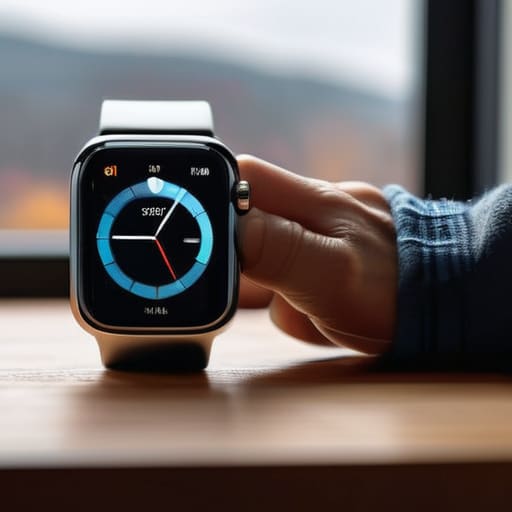
I need to be very clear about this: your smartwatch is not a psychiatrist, and it certainly isn’t a clinician. I see it all the time in the clinic—patients coming in distressed because their wearable has flagged a “dip in mood” or “irregularity” in their data. These devices are essentially glorified pedometers with fancy sensors; they are measuring your movement and your heart rate variability, but they have zero insight into your actual emotional state. They can tell you that you moved less today, but they can’t tell you if that’s because you’re feeling a seasonal heaviness or if you simply had a quiet afternoon.
The danger is that these trackers often conflate physical inactivity with seasonal affective disorder symptoms. If you’re feeling sluggish, your watch might tell you your “readiness score” is low, which only serves to fuel a feedback loop of anxiety. It ignores the nuance of circadian rhythm regulation—the way our internal clocks struggle with the lack of morning light—and instead reduces your complex human experience to a single, often misleading, numerical score. Stop letting an algorithm tell you how you feel.
How to Manage Seasonal Low Mood Without the Wellness Fluff
If you want to move the needle on how you feel, you have to stop looking for a magic supplement and start looking at your biology. Most of the “wellness” advice I see involves expensive tinctures or complicated rituals that have zero clinical backing. If you are dealing with genuine seasonal affective disorder symptoms, the most effective lever you have is circadian rhythm regulation. This isn’t about “vibes”; it’s about telling your brain when the day has actually started. Since the sun is being uncooperative, you need to manufacture that signal.
This is where light box therapy benefits actually become relevant. I’m not talking about a dim lamp on your bedside table; I’m talking about high-intensity, clinically validated light exposure used first thing in the morning to suppress melatonin and kickstart your system. Alongside this, don’t ignore the basics of vitamin D deficiency and mood. We spend all winter in a biological deficit, and trying to “mindset” your way out of a nutrient gap is a losing battle. It’s not about trying harder; it’s about providing the physiological inputs your body is actually screaming for.
Circadian Rhythm Regulation the Science Your Light Box Therapy Benefits Ign
We’ve been sold this idea that sitting in front of a bright lamp for twenty minutes in the morning is a magical cure-all, and while light box therapy benefits are real, they are often treated as a standalone fix rather than a single piece of a much larger biological puzzle. The problem is that most people use these devices to mask the symptoms of a fundamental desynchrony. You can blast your retinas with artificial light at 8:00 AM, but if you spent the previous night scrolling on a phone in a warm, dim bedroom, you haven’t actually fixed your internal clock; you’ve just thrown a temporary wrench into a broken machine.
True circadian rhythm regulation isn’t just about light input; it’s about the consistency of the entire cycle. Your brain needs a predictable rhythm of light and dark to signal when to suppress melatonin and when to start producing it. If your wake times are erratic, even the most expensive light box won’t prevent that heavy, midday lethargy. We need to stop treating light as a supplement and start treating it as a chronobiological anchor.
Vitamin D Deficiency and Mood Real Evidence Versus Internet Myths
If you spend more than ten minutes on a wellness forum, you’ll be told that a single supplement will magically fix your winter malaise. It is one of the most pervasive myths in the industry: the idea that vitamin D deficiency and mood are linked in a simple, linear way that a daily pill can resolve. While it is true that low levels of Vitamin D can impact your wellbeing, the relationship is far more nuanced than a “quick fix” advertisement suggests.
In the clinic, I see people treating their fatigue as a purely chemical deficit when they haven’t actually addressed their light exposure or sleep hygiene. Yes, Vitamin D plays a role in neurobiology, but it isn’t a substitute for the complex dance of circadian rhythm regulation. If you are supplementing heavily but still sitting in a dim room with an irregular wake time, you are merely putting a bandage on a much larger wound. Don’t let the internet convince you that a capsule is a shortcut; if you suspect a genuine deficiency, get a blood test first, but don’t expect it to do the heavy lifting for your entire mental health strategy.
Natural Ways to Boost Serotonin and Effective Winter Blues Coping Mechanism
When we talk about natural ways to boost serotonin, the internet tends to suggest things like “positive thinking” or “manifesting joy,” which is frankly insulting to anyone actually struggling with the weight of a dark winter. Serotonin is a neurochemical, not a mindset. To support it biologically, we need to look at the foundations: stable blood sugar and consistent movement. I’m not talking about a punishing HIIT session in the dark; I mean brisk, daylight walks—ideally around dawn when the light is actually hitting your retinas—to signal to your brain that the day has begun.
Effective winter blues coping mechanisms are often much more boring than the wellness influencers want you to believe. It’s about metabolic stability. If you are spending your winter evenings grazing on highly processed carbohydrates, you are setting yourself up for a glucose crash that mimics the lethargy of seasonal affective disorder symptoms. Real support comes from high-protein breakfasts and avoiding the late-night sugar spikes that wreck your sleep architecture. It isn’t magic; it’s just giving your biology the steady fuel it needs to maintain a baseline of stability when the environment is working against you.
What actually works (and what is just expensive noise)
- Prioritise light exposure before you even touch your coffee; getting natural light into your eyes in the first hour of waking is far more effective for your circadian rhythm than any “mood-boosting” supplement you’ll find on Instagram.
- Stop obsessing over your sleep scores; if you’re feeling low, your wearable will likely tell you that you slept poorly, which only triggers more anxiety—focus on how you feel when you actually stand up, not the number on your wrist.
- Audit your bedroom temperature; seasonal low mood is often exacerbated by poor sleep quality, and if your room is too warm because you’ve cranked the heating, you’re sabotaging the deep sleep you need to regulate your mood.
- Stabilise your wake time, even on weekends; the “sleep in” approach to winter lethargy is a trap that creates social jetlag, making the seasonal shift feel much more violent to your system than it needs to be.
- Ditch the “wellness” rituals and stick to the basics of movement; a brisk walk at dawn might sound like a cliché, but the combination of light, temperature shift, and physical activity is a clinical tool, not just a hobby.
The Bottom Line
Stop trying to “fix” your mood with wellness trends; first, determine if you are dealing with a seasonal shift in routine or a clinical disorder that requires medical intervention.
Your wearable data is a noisy approximation, not a diagnosis—don’t let a low “mood score” on your app dictate your reality or drive unnecessary anxiety.
Prioritise the heavy hitters that actually have the evidence behind them: consistent light exposure, stable wake times, and checking your Vitamin D levels.
Frequently Asked Questions
If my sleep is actually fine but my mood is tanking, could it still be my circadian rhythm causing the problem?
It’s a brilliant question, and yes, it absolutely can. We often fall into the trap of thinking mood and sleep are two separate silos, but they are deeply intertwined through your biological clock. Even if you’re sleeping through the night without waking, if your circadian rhythm is “out of phase”—meaning your internal timing doesn’t align with the actual daylight—your neurochemistry will suffer. You aren’t tired, but your brain is essentially operating in the wrong time zone.
How much of this "winter low mood" is actually just a side effect of my body trying to adjust to a different light cycle?
A huge part of it. Your body isn’t just “feeling blue”; it’s reacting to a biological mismatch. When the light shifts, your circadian rhythm—the internal clock that dictates everything from cortisol to melatonin—gets confused. If you’re still waking up at 7:00 AM in pitch darkness, your brain hasn’t received the signal to stop producing sleep hormones. It’s not a character flaw or a mystery; it’s your physiology struggling to find its footing in a changing light cycle.
At what point do I stop trying lifestyle adjustments and actually go to a doctor to ask for a clinical diagnosis?
If you’ve spent a month tightening your routine, fixing your light exposure, and getting your Vitamin D levels up, but you still feel like you’re wading through treacle every morning, stop experimenting. When your “lifestyle adjustments” feel like shouting into a void, that’s your signal. If your mood is impacting your ability to work or maintain relationships, you aren’t “failing” at wellness; you likely need a clinical assessment. Go to your GP.