I spent a decade in the dark, hunched over monitors in a clinical sleep lab, watching the raw data of human biology scroll past in real-time. I’ve seen it a thousand times: a patient arrives complaining of profound exhaustion, convinced they have a complex neurological disorder, only for their polysomnography to reveal the truth. They aren’t broken; they’re just trying to use a glass of red wine as a sedative. People love to romanticise the “nightcap” as a way to unwind, but if you want to know how alcohol affects sleep, you have to stop looking at the moment you drift off and start looking at the shattered architecture of the night that follows.
I am not here to give you a lecture on moderation or sell you a fancy magnesium supplement to “counteract” the damage. My goal is much simpler: I want to explain the actual mechanics of what happens to your brain when you trade deep, restorative sleep for a chemically induced stupor. I will strip away the wellness industry’s nonsense and tell you exactly why your sleep tracker is likely lying to you about your “rest,” and what the clinical reality actually looks like for your body.
Understanding How Alcohol Affects Sleep
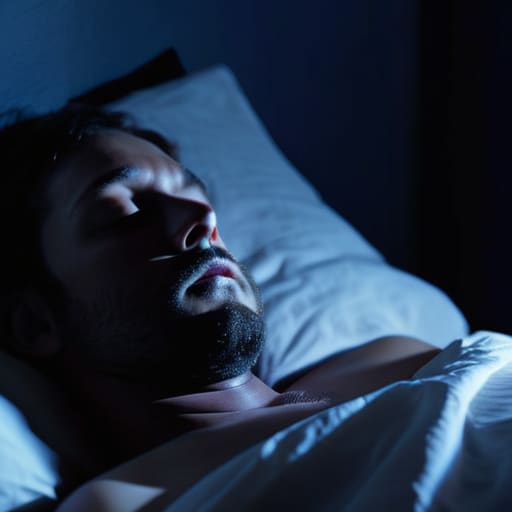
To understand why you feel like a zombie the morning after a “relaxing” drink, we have to look past the initial sedation. Alcohol is a central nervous system depressant; it doesn’t actually help you sleep, it simply knocks you out. There is a profound difference between the two. While you might drift off faster, the impact of ethanol on sleep cycles is devastating to your restorative stages. Specifically, alcohol wreaks havoc on your alcohol and sleep architecture, primarily by fragmenting your REM sleep. You might spend the first half of the night in a heavy, drug-induced stupor, but as your liver processes the toxin, your brain experiences a “rebound effect” that pulls you into a state of shallow, easily interrupted rest.
This isn’t just about feeling groggy; it’s about physiological instability. As the ethanol levels drop in your bloodstream, your body enters a state of hyper-arousal. This often leads to significant sleep disruption after drinking, characterized by frequent micro-awakenings that you might not even remember. For my patients who struggle with breathing issues, it gets even more complicated, as alcohol can exacerbate airway collapse, potentially triggering alcohol-induced sleep apnea. You aren’t just sleeping poorly; you are essentially fighting your own biology all night long.
Key Things to Know
First, let’s clear up the biggest misconception I encounter in clinic: the idea that a drink “helps” you sleep. It doesn’t. It merely acts as a sedative that tricks your brain into a state of sedation rather than true, restorative rest. When we look at alcohol and sleep architecture, we see that while you might fall asleep faster, the quality is fundamentally broken. You aren’t cycling through the stages of sleep the way your body needs to; instead, you’re stuck in a shallow, fragmented state that leaves you feeling like you’ve been hit by a bus the next morning.
Secondly, be wary of how it messes with your breathing. Ethanol is a muscle relaxant, and for anyone even slightly prone to snoring, it can trigger or worsen alcohol-induced sleep apnea. This isn’t just about being loud; it’s about your airway partially collapsing, causing those micro-awakenings that prevent deep recovery. If you find yourself gasping or waking up with a parched throat, it’s not just “dehydration”—it’s a sign that your respiratory system is struggling to do its job because of that evening glass of wine.
Practical Tips and Steps
If you aren’t ready to give up the evening glass entirely, the goal is damage limitation. The most effective strategy is a strict “cutoff” time; aim to finish your last drink at least three hours before you intend to hit the pillow. This gives your liver a head start, reducing the likelihood that the peak metabolic effects of ethanol will collide with your attempt to enter deep sleep. I often tell my patients that it isn’t just about the quantity, but the timing relative to your circadian rhythm.
Beyond the clock, focus on hydration and temperature. Alcohol is a diuretic and a vasodilator, meaning it can make you wake up dehydrated and feeling uncomfortably warm—two things that are recipe for a restless night. If you’ve had a few, drink a large glass of water alongside it, and try to keep your bedroom slightly cooler than usual to counteract that physiological heat spike. While these steps won’t completely negate the impact of ethanol on sleep cycles, they can certainly mitigate the most jarring aspects of sleep disruption after drinking.
Common Mistakes to Avoid
The biggest mistake I see—and I see it constantly in the clinic—is the belief that a “nightcap” counts as sleep. It doesn’t. You aren’t sleeping; you are effectively sedated. People often mistake this heavy, unconscious state for restorative rest, but the impact of ethanol on sleep cycles is devastating. While you might drift off faster, you are almost certainly bypassing the deep, restorative stages your brain needs to actually function the next day. You’re essentially trading quality for speed, and your cognitive clarity pays the price.
Another trap is ignoring how alcohol interacts with existing breathing issues. If you already struggle with snoring or mild congestion, drinking can trigger or exacerbate alcohol induced sleep apnea. It relaxes the muscles in your throat far more than it should, leading to those micro-awakenings that your wearable might not even catch, but your brain certainly feels. Don’t fall into the trap of thinking a glass of wine is a “relaxant” if it actually means you’re spending half the night fighting for oxygen.
Final Thoughts
Look, I’m not here to tell you that you can never enjoy a glass of wine again. I’m a clinician, not a moralist. But I am here to tell you that if you are struggling with daytime fatigue or feeling like your brain is stuck in a fog, you need to stop treating that evening drink as a sleep aid. It is a sedative, not a restorative agent. When we look at the impact of ethanol on sleep cycles in the lab, the data is consistent: you might lose consciousness faster, but you aren’t actually sleeping.
If you decide to have a drink, please don’t expect your wearable to magically fix the fallout. Those trackers will show you a fragmented night, and they aren’t wrong about the disruption, even if they are wrong about the “score.” Focus instead on improving sleep hygiene after alcohol consumption by staying hydrated and keeping your bedroom cool. Ultimately, my goal is to help you distinguish between a lifestyle habit and a clinical issue. If you fix your routine and the exhaustion persists, that is when we need to have a much more serious conversation about what is actually happening while you are unconscious.
Five ways to stop sabotaging your sleep architecture
- Stop using a “nightcap” as a sedative. If you’re drinking to “knock yourself out,” you aren’t actually sleeping; you’re just sedating your central nervous system. There is a massive physiological difference between sedation and natural sleep, and your brain knows it.
- Watch the “rebound effect” in the second half of the night. Alcohol might help you drift off, but as your liver metabolises it, your body goes into a state of hyper-arousal. This is why you wake up at 3:00 AM with a racing heart and a dry mouth—it’s your body struggling to find its footing.
- Mind the REM suppression. Alcohol is a thief when it comes to your dream sleep. By fragmenting your REM cycles, it leaves you feeling cognitively foggy and emotionally brittle the next day, even if you feel like you “slept through” the night.
- Don’t trust your wearable’s “Sleep Score” to tell you how much you drank. Most trackers are notoriously bad at distinguishing between alcohol-induced sedation and actual restorative sleep. If your Oura ring or Apple Watch says you slept well after three glasses of wine, take it with a massive grain of salt.
- Aim for a “buffer zone” of at least three hours. If you must have a drink, try to finish it well before your head hits the pillow. This gives your body a fighting chance to clear the ethanol before you’re actually trying to enter those deeper, more restorative stages of sleep.
The Bottom Line
Alcohol is a sedative, not a sleep aid; it might help you drop off faster, but it effectively hijacks your sleep architecture and prevents the restorative stages your brain actually needs.
Stop relying on your wearable’s “sleep score” to tell you how much you drank; if you’ve had a nightcap, your data will look messy because your physiology is struggling to process the ethanol, not because your tracker is broken.
If you’re using alcohol to “wind down” because you can’t switch off, you’re likely trapped in a cycle of worsening sleep hygiene that no amount of magnesium or expensive bedding can fix.
Frequently Asked Questions
If I only have one small glass of wine with dinner, does it still mess with my sleep architecture?
It’s the question I get most often in clinic. The short answer? Yes, it can, but the scale of the disruption depends entirely on your individual biology. Even a single glass can nudge your sleep architecture, particularly by fragmenting your REM cycles later in the night. It might not feel like a “hangover,” but if you notice you’re waking up feeling unrefreshed despite a “normal” night, that small glass is likely the culprit.
My wearable says my sleep score is terrible after drinking, but I feel fine—should I trust the tracker or my own body?
Trust your body, but understand why the tracker is shouting at you. Your wearable isn’t measuring sleep; it’s using proxies like movement and heart rate variability to guess at it. Alcohol spikes your heart rate and disrupts your autonomic nervous system, which the algorithm interprets as “bad sleep.” You might feel fine because the alcohol has effectively sedated you, but your physiological architecture is a mess. The tracker is right about the data, but wrong about your experience.
Is there a way to "buffer" the impact of alcohol on my sleep, or is the disruption inevitable once it's in my system?
To be blunt: you can’t outsmart biology. Once that alcohol hits your bloodstream, it’s triggering a cascade of neurochemical shifts that your brain has to deal with. You can try to “buffer” it by eating a substantial meal beforehand to slow absorption, or by staying hydrated, but you aren’t fixing the underlying issue. You’re just slightly modulating the speed of the wreckage. The fragmentation of your REM sleep is, for all intents and purposes, inevitable.