I spent ten years in the dark, watching patients twitch and struggle under the clinical hum of a sleep lab, and if there is one thing I’ve learned, it’s that people are being sold a massive lie about “sleep hygiene.” You’ll see influencers peddling $200 smart bulbs and “circadian-optimising” light panels, claiming that if you just buy the right gadget, your insomnia will vanish. It’s nonsense. Most people are obsessing over the wrong spectrums when they should be looking at the fundamental physics of their space. When we discuss how lighting should be planned in a bedroom, we aren’t talking about buying a fancy dimmer switch; we are talking about the biological reality of how light suppresses melatonin and hijacks your brain’s ability to shut down.
I’m not here to sell you a lifestyle brand or a subscription to a wellness app. My goal is to strip away the expensive marketing fluff and tell you what actually matters from a physiological standpoint. I will show you how to evaluate your light sources based on actual evidence, not Instagram trends, so you can stop wasting money and start seeing real changes in your sleep latency.
Understanding How Lighting Should Be Planned in a Bedroom
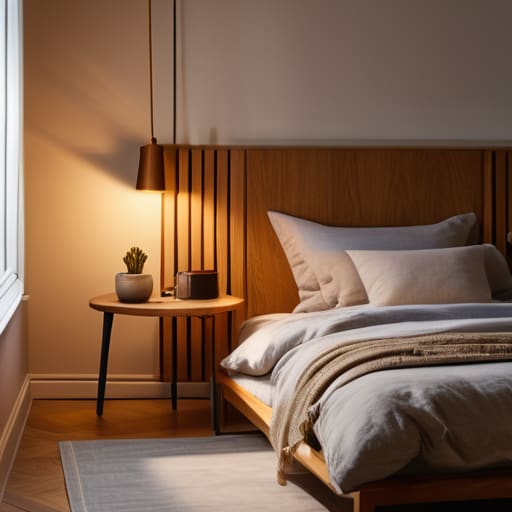
When I sit down with a patient in the clinic, I don’t start by asking about their expensive smart bulbs; I start by asking about their routine. If you’re trying to engineer the perfect sleep environment, you need to stop thinking about “brightness” as a single setting and start thinking about layered lighting techniques. Most people make the mistake of having one harsh, overhead light that they flick on at 10:00 PM, effectively screaming at their brain to stay awake. You want to transition from functional light to something much softer as the evening progresses.
This is where the distinction between ambient vs task lighting becomes practical rather than just aesthetic. You need a bright, functional light for when you’re actually tidying the room or getting dressed, but for the hour before you intend to close your eyes, that should be replaced by low-level sources. I’m a proponent of warm color temperature for sleep—think ambers and soft oranges rather than the clinical blue-white glare of a standard LED. If your only light source is a bright ceiling fixture, you are fighting a losing battle against your own biology.
Key Things to Know
First, let’s clear the air: your lighting setup isn’t just about aesthetics; it’s about biological signaling. When we talk about color temperature for sleep, we aren’t just being pedantic about “warm” versus “cool.” We are talking about the specific wavelengths that tell your pineal gland to either start producing melatonin or to shut it down entirely. If you are using bright, blue-heavy overhead lights at 10:00 PM, you are essentially shouting at your brain to stay awake, regardless of how tired your body feels.
To get this right, you need to move away from the “big light” mentality. I always suggest looking into layered lighting techniques to create a transition zone between the chaos of the day and the stillness of sleep. This means moving from general room illumination to more focused, low-level sources. Instead of a single, harsh ceiling fixture, think about how you can use ambient vs task lighting to guide your evening. A dim, warm lamp at eye level is far more respectful to your circadian rhythm than a bright light overhead that mimics the midday sun.
Practical Tips and Steps
First, let’s talk about the transition from “active” to “rest” mode. You don’t need a complete blackout the moment you walk in, but you do need to respect the biology of your eyes. I always tell my patients to look at their ambient vs task lighting setup. If you’re using a bright overhead light to find a lost sock or read a book, you are effectively shouting at your brain to stay awake. Instead, aim for layered lighting techniques—think low-level floor lamps or dimmable sconces that keep the light source below eye level. This mimics the natural descent of the sun and signals to your pineal gland that the day is done.
Second, get intentional about your color temperature for sleep. If your bedside lamp is pumping out a crisp, blue-toned “daylight” glow, you might as well be sitting in a brightly lit office. Swap those bulbs for something in the warm, amber spectrum. If you’re tech-savvy, smart lighting for bedrooms can automate this shift, gradually warming up as your bedtime approaches. It isn’t about being precious with gadgets; it’s about reducing the physiological friction between your evening routine and your actual ability to drift off.
Common Mistakes to Avoid
The biggest mistake I see—and it’s a classic—is the “all or nothing” approach to brightness. People will spend a fortune on blackout curtains only to sit in bed scrolling through a phone that’s essentially a miniature sun. It isn’t just about the light itself; it’s about the biological signal you’re sending. If you’re using a harsh overhead light to find your book or your glasses, you’re effectively telling your brain that the day has just begun. You need to move away from a single, aggressive light source and start thinking about layered lighting techniques that allow for a gradual descent into rest.
Another pitfall is getting seduced by the “smart” revolution without understanding the physics of it. I see plenty of patients who have installed expensive smart lighting for bedrooms, only to find they’ve set their bulbs to a crisp, blue-toned daylight setting because it “looks modern.” It’s a disaster for your melatonin production. If you aren’t paying close attention to the color temperature for sleep—specifically aiming for those warm, amber hues—you’re just buying expensive, glowing insomnia. A smart bulb is only as good as the spectrum it emits.
Final Thoughts
At the end of the day, I want you to stop looking for a “magic” lightbulb and start looking at your environment as a whole. We spend so much time obsessing over whether we need a specific smart bulb or a fancy dimming system, but we often miss the fundamental physics of the room. It isn’t about buying the most expensive gear; it’s about mastering layered lighting techniques so that your brain actually receives the signal that the day is over. If you can move away from harsh overheads and transition toward soft, warm light in the hour before you intend to drift off, you are doing more for your circadian rhythm than any expensive wearable ever could.
Don’t get caught in the trap of perfectionism. You don’t need a complete architectural overhaul to see a difference. Start small: look at your bedside lamp placement and ensure you aren’t sitting under a glaring spotlight while trying to read. If you can manage the transition from bright, functional light to a dim, amber-toned sanctuary, you’ve won half the battle. Sleep is a biological process, not a lifestyle trend, and properly managing your light exposure is simply one of the most effective ways to respect that biology.
Five ways to stop your lighting from sabotaging your circadian rhythm
- Stop treating your bedroom like a showroom. If you have high-intensity, cool-toned recessed lighting that mimics midday sun, you are essentially telling your brain it’s time to be productive right when you should be winding down. Switch to low-level, warm-spectrum lamps placed at hip height or lower; it mimics the natural descent of the sun and signals the onset of melatonin production.
- The “blue light” panic is real, but it’s often misdirected. It isn’t just about your phone screen; it’s about the overhead LED in your hallway or bathroom. If you’re getting up for a midnight bathroom trip, turn off the bright overhead light and use a dim, amber-hued nightlight. Blasting your retinas with bright light at 3:00 AM is a fast way to reset your internal clock to “daytime mode.”
- Blackout curtains are not a luxury; for many of my patients, they are a clinical necessity. If you can see the streetlamp through your curtains, your brain is receiving enough light to potentially disrupt your sleep architecture. A pitch-black environment is the only way to ensure that even minor environmental shifts don’t trigger a micro-arousal.
- Consistency beats “smart” technology every time. I see people buy expensive, programmable smart bulbs that they never actually set up correctly. A simple, non-programmable dimmable lamp that you use every single night is infinitely more effective than a complex system that leaves your room bright because you forgot to update the app.
- Watch the light leaks from your tech. That tiny, aggressive blue standby light on your television or your bedside charging station might seem insignificant, but in a truly dark room, it acts like a beacon. Tape them over or turn them off. Your bedroom should be a sensory void, not a cockpit of blinking status lights.
The bottom line on your bedroom lights
Stop overcomplicating the tech; your circadian rhythm cares far more about the absence of blue light in the evening than it does about whether you have expensive, smart-integrated dimmers.
Lighting is only one piece of the puzzle—if your bedroom is a sauna and your wake-up times are all over the shop, even the most perfectly calibrated lighting scheme won’t save your sleep.
Differentiate between ‘hygiene’ and ‘disorder’—fixing your lightbulbs is a great habit for most, but if you have a clinical sleep disorder, no amount of amber-toned lamps will replace medical intervention.
Frequently Asked Questions
If I use a blue-light filter on my phone, am I actually protecting my sleep, or is the light still messing with my circadian rhythm?
It’s a bit of a half-measure, isn’t it? While a blue-light filter might slightly reduce the intensity of the signal, it doesn’t change the fact that you’re staring at a backlit rectangle. The light is still hitting your retinas, and more importantly, the cognitive stimulation of scrolling is likely keeping your brain in an active, alert state. You’re essentially trying to dim a spotlight while still standing in its beam. Put the phone away.
My bedroom is naturally quite bright in the mornings; should I be investing in blackout curtains, or is that light actually helpful for waking up?
It depends entirely on your wake-up time. If that morning light hits you at 6:00 AM but you need to sleep until 8:00 AM, it’s a problem; it signals your brain to suppress melatonin and start the cortisol spike prematurely. In that case, yes, invest in blackout curtains. But if you’re waking up naturally with the sun, let it happen. That light is a vital cue for your circadian rhythm. Don’t fight biology unless you have to.
Does the "warmth" of a lightbulb actually matter for sleep, or is that just another wellness trend that hasn't been proven?
It’s not just a wellness trend, but it’s also being sold poorly. It’s not about the “vibe” or the cozy aesthetic; it’s about melanopsin. That’s the photopigment in your eyes that’s incredibly sensitive to short-wavelength blue light. When you hit those cells with bright, cool light, you’re effectively telling your brain it’s midday, suppressing melatonin instantly. Switching to warmer, amber tones isn’t about being “zen”—it’s about stopping the biological signal that tells your brain to stay awake.