
I’m so tired of seeing people spend eighty pounds on a weighted silk eye mask or a specific brand of magnesium spray, thinking they’ve finally cracked the code to better sleep. It’s exhausting to watch, frankly. Most of the “wellness” industry has turned the concept of a wind-down period into a competitive sport of expensive rituals, but they completely miss the point of how evening routines support rest from a physiological perspective. If you are performing a ten-step skincare ritual while your bedroom temperature is sitting at a sweltering 22 degrees and your brain is still racing from a blue-light-soaked afternoon, you aren’t “resting”—you’re just performing sleep hygiene while remaining wide awake.
I’m not here to sell you a lifestyle or a new supplement stack. I want to talk about what actually happens to your nervous system when you transition from the chaos of the day to the stillness of the night. In this piece, I’m going to strip away the fluff and tell you what the science actually says about meaningful physiological shifts. We’ll look at the difference between a performative ritual and a functional one, so you can stop chasing “sleep scores” and start building a routine that actually works for your biology.
Understanding How Evening Routines Support Rest
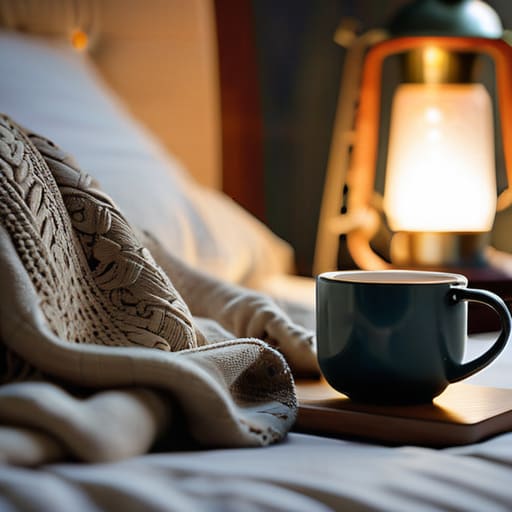
When I’m sitting in the clinic, I see a lot of people who have tried every “hack” in the book, yet they still feel like they’re running on empty. The problem is that most people treat an evening routine like a checklist of chores rather than a way of preparing the body for sleep. Your physiology doesn’t just flip a switch from “work mode” to “unconscious mode” the moment your head hits the pillow. There is a physiological bridge required—a period of lowering your core temperature and signaling to your brain that the day is done.
This isn’t about being precious with your time; it’s about circadian rhythm regulation. If you spend your final hour of wakefulness scrolling through news feeds or working under harsh overhead lights, you are effectively fighting your own biology. You are sending conflicting signals to your brain, making it nearly impossible to trigger the natural hormonal shifts needed for deep rest. A proper routine isn’t about lavender oil or expensive silk masks; it’s about creating a predictable psychological transition to rest that tells your nervous system it is finally safe to power down.
Key Things to Know

First, let’s get one thing straight: an evening routine isn’t about a checklist of “self-care” rituals designed to make you feel productive before bed. It is about the psychological transition to rest. Your brain is not a light switch that you can simply flick from “high-stress work mode” to “deep sleep” in a single second. It is more like a heavy freight train; it needs a long, gradual braking period. If you are trying to jump straight from a spreadsheet or a heated political argument on social media into a dark room, you are fighting your own biology.
Second, we need to talk about the physiological side of things. A decent routine is essentially a series of cues for circadian rhythm regulation. When you dim the lights and settle into a predictable pattern, you are signaling to your brain that it is time to begin melatonin production naturally. This isn’t some mystical wellness concept; it is basic endocrinology. If your routine involves staring at a high-brightness screen until the moment your head hits the pillow, you are sending contradictory signals that leave your system confused, wired, and utterly unable to settle.
Practical Tips and Steps
First, let’s get real about what “preparing the body for sleep” actually looks like. It isn’t about a ten-step ritual involving expensive candles; it is about biological signaling. Your brain needs to know the day is over. This starts with managing blue light exposure impact—not because of some mystical radiation, but because that specific wavelength tells your brain it’s midday, effectively hijacking your natural melatonin production. If you are staring at a bright screen until the moment you switch off the lamp, you are fighting an uphill battle against your own biology.
Second, stop treating your bedroom like a secondary living room. If you work, eat, or scroll in bed, you are destroying the psychological transition to rest that your brain relies on to trigger sleepiness. You need to create a clear boundary. I often tell my patients that if your bedroom feels like a high-stimulation zone, your nervous system will remain on high alert. Combine this with a cool room temperature—I cannot stress this enough—and you are doing more for your sleep than any “sleep score” on a wristband ever could.
Common Mistakes to Avoid
The biggest mistake I see—and I see it every single week in clinic—is the belief that an evening routine is a checklist of “relaxing” activities that can be crammed into the final twenty minutes before you hit the pillow. You cannot expect to jump from a high-stress work email straight into deep sleep just because you lit a scented candle. Real rest requires a psychological transition to rest, a buffer zone that signals to your brain that the demands of the day are officially over. If you’re trying to force your brain to shut down while your heart rate is still elevated from a frantic evening, you aren’t building a routine; you’re just performing a ritual of frustration.
Secondly, we need to stop obsessing over the “perfect” ritual and start looking at the physiological wreckage we cause ourselves. People spend hundreds on expensive supplements while completely ignoring the blue light exposure impact from their phones or the fact that they’ve turned their bedroom into a sauna. You can follow every sleep hygiene practice in the book, but if you aren’t respecting your circadian rhythm regulation by keeping a consistent wake time, those little evening habits are just window dressing. Consistency with your internal clock matters far more than the brand of tea you’re sipping.
Final Thoughts
Look, I’m not going to tell you that a perfect evening routine is a magic wand that will instantly fix a decade of broken sleep. If you are dealing with a clinical disorder, a scented candle isn’t going to do much heavy lifting. But for most of us, the goal isn’t perfection; it’s about creating a reliable psychological transition to rest. You are essentially signaling to your nervous system that the demands of the day are over and it is safe to power down.
If you focus on the basics—managing your light exposure and keeping your environment cool—you are doing more than just following “sleep hygiene” trends. You are actually supporting your circadian rhythm regulation by working with your biology rather than fighting against it. Stop obsessing over whether your wearable gave you a 90 or a 60 last night. Instead, focus on whether you’ve actually given your body the space to settle. If you get the foundation right, the sleep usually follows.
Five ways to actually prepare your biology for sleep
- Stop focusing on “winding down” and start focusing on cooling down; your core temperature needs to drop to initiate sleep, so if your bedroom feels like a sauna, no amount of herbal tea will override that physiological signal.
- Fix your wake time before you worry about your bedtime; a routine isn’t just what you do at 10 PM, it’s the consistency of your rhythm that tells your brain when the day has actually ended.
- Treat light like a drug, because it essentially is; dimming the overheads an hour before bed isn’t just a “vibe,” it’s a biological necessity to allow your melatonin to actually start doing its job.
- Stop using your “evening routine” as an excuse to scroll; blue light is one thing, but the cognitive stimulation of a news feed or a stressful email is a much faster way to hijack your nervous system than any screen glare.
- Ditch the “sleep score” obsession; if your routine makes you feel calm and prepared, it’s working, regardless of what your wristband tells you about your REM cycles.
The Bottom Line
An evening routine isn’t about luxury or “self-care” rituals like expensive candles; it’s about physiological signals that tell your brain the day is done and your core temperature can safely drop.
Stop obsessing over your wearable’s “sleep score”—it’s a guess, not a clinical measurement, and it often creates more anxiety than it solves.
Consistency matters more than perfection; if you can’t fix your bedtime, focus on fixing your wake time to stop your circadian rhythm from drifting into chaos.
Frequently Asked Questions
If I have a clinical sleep disorder like apnea, will a better evening routine actually make a difference, or am I just wasting my time?
Look, I’ll be blunt: if you have obstructive sleep apnea, a lavender candle isn’t going to clear your airway. A routine won’t fix a physical obstruction. However, it isn’t a total waste of time. A stable routine can lower your cortisol and prevent “secondary” insomnia, making the nights you can breathe a bit more restorative. But please, don’t use a “wellness routine” as a substitute for a clinical diagnosis and proper treatment.
My wearable says I'm getting "poor quality" sleep even when I follow my routine; should I be changing my habits based on that score?
Put the watch in a drawer for a week. I cannot stress this enough. Your wearable is measuring movement and heart rate variability, not sleep stages; it is an educated guess at best. If you feel rested and functional, your “score” is noise. If you feel exhausted despite a “good” score, we need to look at your physiology, not your app. Don’t let an algorithm dictate your reality.
Is it better to focus on a strict wind-down ritual, or is my wake-up time actually the more important lever to pull?
If you’re looking for the heavy lifter, it’s the wake-up time. Every single time. You can light all the lavender candles you want and sip chamomile until you’re blue in the face, but if your wake-up time is a moving target, you’re fighting a losing battle against your own biology. A ritual is just a signal; a consistent wake time is the anchor that actually sets your internal clock. Pull that lever first.