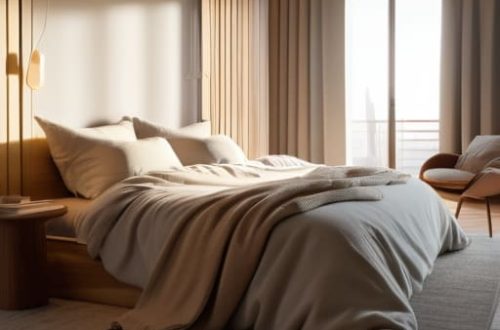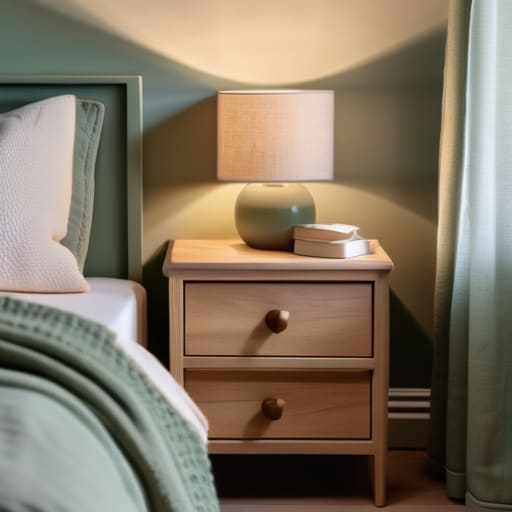
I’ve spent seventeen years watching people struggle to sleep, and if there is one thing that drives me mad, it’s the way we’ve turned children’s sleep into a high-stakes consumerist competition. I see parents pouring hundreds of pounds into “smart” nightlights, weighted blankets, and high-tech white noise machines, thinking they’re buying a solution. But after nearly two decades in the clinic, I can tell you that most of this is just expensive noise. When it comes to how children’s bedrooms should be set up, we have become obsessed with gadgets while completely ignoring the physiological basics—like the fact that a room that’s even two degrees too warm can wreak havoc on a child’s ability to enter deep sleep.
I’m not here to sell you a lifestyle or a piece of tech; I’m here to give you the clinical reality. I want to strip away the marketing fluff and show you how to create an environment that actually works with a child’s biology rather than against it. We are going to focus on the variables that actually matter—temperature, light hygiene, and sensory regulation—so you can stop chasing the latest trends and start focusing on genuine, restorative rest.
Stop Blaming Behavior for a Poorly Designed Child Sleep Environment
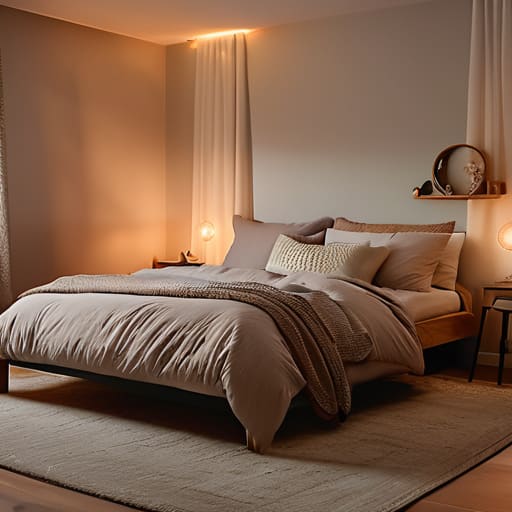
I see it constantly in the clinic: parents arriving with exhausted faces, clutching a list of every behavioral “fail” they’ve had that week. They talk about tantrums, refusal to stay in bed, or sudden night wakings as if these are character flaws in the child or failures in their parenting. But more often than not, we aren’t looking at a behavioral issue; we are looking at a room that is working against the child’s biology. You can have the most disciplined bedtime routine establishment in the world, but if the room is a sensory minefield, that discipline won’t save you.
If a child is constantly waking, stop looking at their temperament and start looking at their thermometer and their light switches. A room that is too bright, too loud, or slightly too stuffy triggers a physiological response that no amount of “gentle parenting” can override. We need to shift the focus toward child sleep environment optimization—treating the bedroom as a functional tool for rest rather than just a decorated space. When we prioritize a sensory-friendly bedroom design over purely aesthetic choices, the “behavioral” problems often simply vanish.
The Truth About How Childrens Bedrooms Should Be Set Up
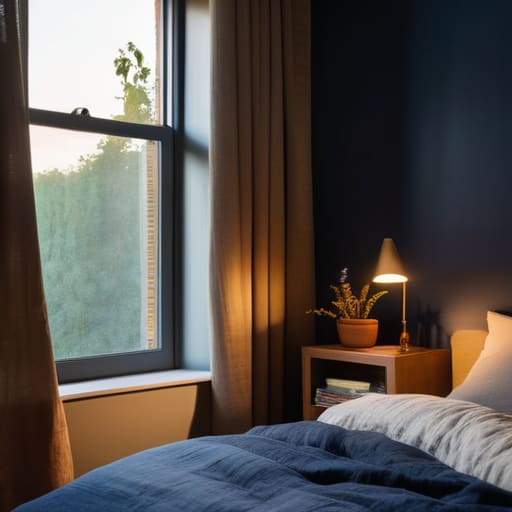
We need to stop treating the bedroom like a theatre for behavioral training and start treating it like a physiological recovery zone. When I sit with parents in the clinic, they often talk about “willpower” or “defiance,” but they rarely mention that their child is sleeping in a room that feels like a sauna or is lit by a high-intensity blue LED strip. True child sleep environment optimization isn’t about which expensive weighted blanket you buy; it’s about controlling the variables that actually trigger the brain to downregulate.
This means getting ruthless about light and temperature. A room that is too bright or too warm is essentially a biological signal to stay awake. While I’m a fan of a cozy space, we have to distinguish between age-appropriate bedroom decor—which might include a soft glow from a dimmable lamp—and the harsh, stimulating light that keeps a child’s cortisol levels unnecessarily high. If you want to fix the sleep, you have to fix the space first. You cannot expect a child to master a complex bedtime routine establishment if their physical surroundings are constantly fighting their natural circadian rhythm.
Why Nursery Safety Standards Are More Than Just Checklists
We tend to view nursery safety standards as a series of bureaucratic hurdles—a checklist of things we mustn’t do to avoid a headline in the local paper. But after years in the clinic, I’ve learned that safety isn’t just about preventing a physical accident; it’s about the physiological stability of the sleep environment. When we talk about nursery safety standards, we aren’t just discussing the height of a cot rail or the placement of a heavy dresser. We are talking about creating a space where a child’s nervous system can actually settle.
A room that is “safe” on paper but cluttered with high-contrast, stimulating patterns or cluttered shelves isn’t truly safe for a developing brain. True child sleep environment optimization means recognizing that a sensory-overloaded room can trigger micro-arousals that we can’t see on a monitor, but that certainly show up in a child’s irritability the next morning. It’s about moving beyond the basic checklist and realizing that a calm, predictable physical space is the foundation upon which all other sleep interventions are built.
Distinguishing Age Appropriate Bedroom Decor From Sensory Friendly Bedroom
There is a massive difference between a room that looks “cute” in a lifestyle magazine and a room that actually supports a child’s nervous system. When I talk to parents, they often focus on age-appropriate bedroom decor—the themed bedding, the bright wall decals, or the latest toy storage solution. While these things certainly make a room feel like a child’s space, they do nothing for the actual physiological process of winding down. A room can be aesthetically perfect but sensory-heavy, filled with visual “noise” that keeps a child’s brain in a state of high alert long after the lights are out.
True sensory-friendly bedroom design isn’t about the theme; it’s about managing the inputs that trigger arousal. I’m talking about the tactile sensation of heavy cotton versus scratchy synthetics, or the subtle hum of a poorly ventilated radiator that disrupts sleep continuity. If a child is struggling to settle, I often find it isn’t a behavioral rebellion, but a reaction to an environment that is too loud, too bright, or too textured. We need to stop treating decor as a way to celebrate childhood and start treating the bedroom as a sanctuary for neurological rest.
How a Child Friendly Room Layout Dictates Sleep Success
When I sit in clinic with parents, they often present a list of “bad behaviors”—the kicking, the midnight wandering, the sudden refusal to stay in bed. But more often than not, we aren’t looking at a behavioral issue; we are looking at a spatial one. A child-friendly room layout isn’t just about making sure there is enough floor space for Lego; it is about reducing the cognitive load on a child’s brain as they transition from wakefulness to sleep. If their bed is positioned directly under a bright window or facing a door that constantly swings open, they are perpetually on alert. Their nervous system is scanning for movement and light, making deep, restorative sleep nearly impossible.
We also need to talk about the “visual noise” that dictates sleep success. You might think you’re just being a fun parent with vibrant posters and a mountain of plush toys, but for a child, an cluttered room is a loud room. True child sleep environment optimization requires us to think about the pathway to sleep. This means creating a clear, predictable physical space where the transition from play to rest is visually signaled. If the room feels like a continuation of the playroom, the brain struggles to switch off.
Why Bedtime Routine Establishment Fails Without Environmental Control
I see it in the clinic all the time: parents who have mastered the “perfect” sequence of baths, books, and lullabies, yet they are still fighting a losing battle against a child who refuses to stay asleep. They treat bedtime routine establishment like a behavioral problem that can be solved with more discipline or a better sticker chart. But you cannot discipline a child into sleeping if their biology is fighting their surroundings. If you are trying to wind down a nervous system in a room that is visually overstimulating or physically too warm, you aren’t building a routine; you are just performing a ritual in a hostile environment.
True child sleep environment optimization isn’t about the order of operations; it’s about the physiological cues the room provides. A routine is merely a psychological bridge, but the bedroom itself must act as the destination. If the lighting is too harsh or the temperature is spiking, the brain stays in a state of high alert, regardless of how many stories you read. You can have the most consistent schedule in the world, but if the environment isn’t working with their circadian rhythm, the routine will eventually fail.
The non-negotiables: Five ways to stop fighting the room and start helping the sleep
- Forget the temperature settings on your smart thermostat for a second and look at the air in the room. Most parents try to keep the house cozy, but a child’s bedroom needs to be slightly cooler than you think—ideally between 16 and 18 degrees Celsius. If they’re sweating under a duvet in a stuffy room, their core temperature can’t drop, and that drop is the biological trigger for sleep.
- Stop treating the bedroom like a multi-purpose playroom. If your child spends their afternoon building Lego towers or playing high-energy games on the very rug where they are meant to sleep, you are confusing their brain’s association with that space. The bedroom needs to be a sanctuary for rest, not a secondary zone for daytime chaos.
- Light hygiene isn’t just about turning off the main lamp. It’s about the blue light bleeding in from a hallway gap or the streetlamp peeking through thin curtains. I see so many sleep struggles that are actually just light pollution; invest in blackout blinds that actually fit the window frame, not just the ones that look pretty.
- Sound shouldn’t be a constant battle between total silence and a noisy household. If your home is lived-in and loud, don’t try to force a vacuum of silence—it’s unrealistic. Instead, use a consistent, low-level white noise machine to mask the sudden, sharp sounds (like a door slamming or a sibling shouting) that trigger those micro-arousals that prevent deep sleep.
- Audit the “visual noise” in the room. It’s not about being a minimalist, but if every square inch of the wall is covered in bright, clashing posters and hanging toys, a child’s brain is constantly processing information even when their eyes are closed. Keep the immediate area around the bed—the “sleep zone”—visually calm and uncluttered.
The essentials for a sleep-ready room
Stop looking for a behavioral “fix” for what is actually a thermal or sensory problem; if the room is too hot or the lighting is wrong, no amount of routine will work.
Distinguish between a room that looks “nice” and one that is functionally designed for sleep, focusing on sensory stability rather than just aesthetic decor.
Prioritise environmental control—specifically temperature and light—as the foundation of a bedtime routine, rather than treating them as optional extras.
Frequently Asked Questions
My child’s room is a mess of toys and bright posters; is it actually possible to fix the sleep environment without a complete, expensive renovation?
You don’t need a designer or a massive budget to fix this. In the clinic, I see how much sensory input matters, and a “mess” is often just visual noise that keeps a child’s brain on high alert. Start by clearing the line of sight from the bed; if they can see the toy box or a neon poster, they aren’t resting. Box up the clutter, dim the lights, and focus on the basics.
We use a white noise machine every night, but is that actually helping them settle or is it just masking a room that's too loud or too bright?
It’s a bit of both, isn’t it? White noise can be a wonderful tool for smoothing out sudden, jarring sounds—like a door slamming or a car passing—that might otherwise trigger a micro-arousal. But if you’re using it to drown out a constant, loud hum or to compensate for a room that’s essentially a bright, chaotic mess, you’re just applying a bandage to a wound. Use it to mask spikes, not to hide a poorly managed environment.
If my child is struggling to stay asleep, how can I tell if it’s a physiological issue like apnea or just a reaction to the temperature and layout of their room?
If they’re waking up restless, sweaty, or gasping, we need to look at physiology. If it’s apnea, the room layout won’t save you; they need a clinical assessment. But if they’re just tossing and turning because the radiator is cranked to eighty or the room is a cluttered sensory minefield, no amount of breathing exercises will help. Watch for the pattern: is it a struggle to fall asleep (environment) or a struggle to stay asleep (often physiological)?