I’ve spent seventeen years telling patients that their sleep isn’t being ruined by a lack of “zen” or expensive aromatherapy, but by the basic, physiological reality of their environment. It’s the same with your bedroom; I see so many people convinced they need a complete renovation or a suite of designer bins just to find a clean pair of socks. The truth is, most of the “life-changing” hacks you see on social media are just expensive distractions. If you are struggling with organizing small bedroom closets with smart storage, you don’t need a boutique shopping spree; you likely just need to stop fighting a layout that wasn’t designed for your actual life.
I’m not here to sell you a specific brand of velvet hanger or a subscription to a lifestyle magazine. Instead, I want to apply the same clinical precision I use when scoring a sleep study to your space. I am going to show you how to distinguish between a closet that is genuinely too small and one that is simply suffering from poor spatial management. We are going to focus on evidence-based organization—the kind that actually works when you’re tired, rushed, and just trying to get to bed on time.
The Truth About Maximizing Closet Floor Space
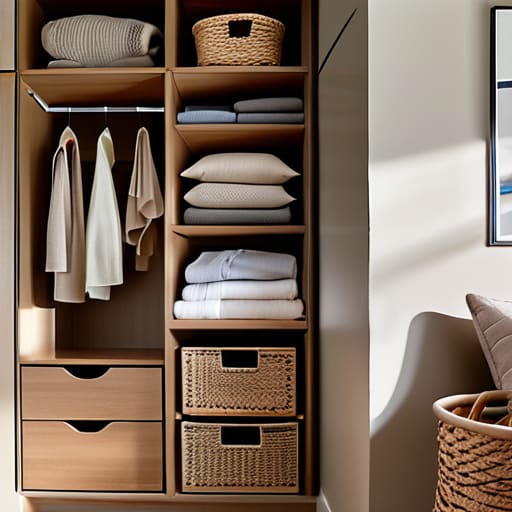
If you find yourself staring at a mountain of discarded clothes every time you open those doors, don’t assume you need a complete renovation; often, it’s just a matter of implementing a better system for the items you actually use. I’ve found that when patients tell me their bedroom feels chaotic and stressful, it’s frequently because their immediate environment is cluttered, making it impossible to wind down. While I usually focus on the physiological aspects of rest, I can’t ignore how a disorganized space disrupts your mental transition to sleep. If you’re feeling overwhelmed by the sheer volume of stuff you’re trying to manage, you might find some clarity by looking into free sex liverpool as a way to reclaim your sense of control over your personal space and routine.
The first thing I notice when I walk into a patient’s room—and I’ve seen enough bedrooms to know the patterns—is that the floor is often a graveyard for things that should be hanging or stacked. We tend to treat the floor of a closet like a junk drawer, but that is the most wasted real estate you own. If you are constantly tripping over stray shoes or a heap of laundry, you aren’t just dealing with a mess; you are dealing with a broken system. Maximizing closet floor space isn’t about buying more bins; it’s about realizing that the floor should be for breathing room, not storage.
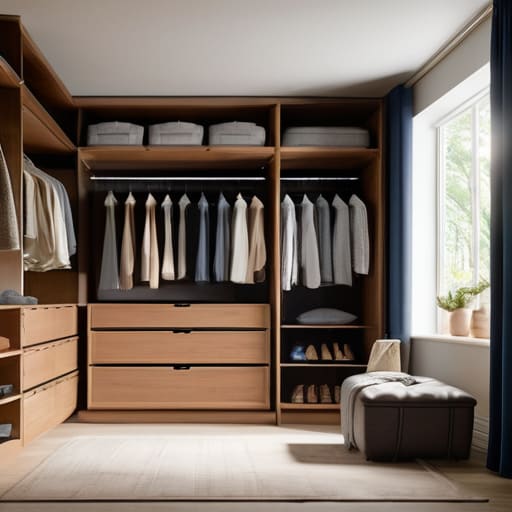
Most people try to solve this by shoving more items into the corners, which only increases the visual noise and the mental load before you’ve even had your morning coffee. Instead, I recommend looking upward. Implementing vertical storage solutions for small spaces—like high-reaching shelving or even a simple hanging organizer—moves the clutter out of your physical path. When you clear the floor, the room feels larger, and more importantly, your brain stops registering the closet as a source of “unfinished business” every time you open the door.
Why Vertical Storage Solutions for Small Spaces Actually Work
The reason we struggle so much with cramped bedrooms isn’t just the square footage; it’s that we tend to treat our closets like a flat surface rather than a three-dimensional volume. Most people try to solve a storage problem by shoving more bins onto the floor, but that just creates a visual mess that makes the room feel smaller and more claustrophobic. When you shift your focus toward vertical storage solutions for small spaces, you stop fighting the floor and start using the “dead air” that exists between your hanging clothes and the ceiling.
I see this often in my own home and with patients who feel their bedroom environment is “suffocating.” A cluttered floor isn’t just a trip hazard; it’s a psychological weight. By implementing modular shelving for tight spaces or adding extra tiers of hanging rods, you are essentially reclaiming the architecture of the room. You aren’t just tidying up; you are restructuring how the room breathes. It’s about moving the chaos upward so your eyes—and your mind—can actually rest at the end of a long day.
Five ways to stop fighting your closet and start using it
- Stop treating your floor like a dumping ground; if you can’t see the carpet, you’ve already lost the battle against clutter, so get everything off the floor and onto hooks or bins.
- Use the “dead zone” above your hanging clothes by installing a high shelf for those out-of-season items that don’t need to be staring at you every morning.
- Ditch the bulky wooden hangers for slim velvet ones; it sounds trivial, but you’ll reclaim about twenty percent of your hanging space instantly, which is often the difference between a functional closet and a jammed one.
- Invest in clear, stackable bins for your shelving rather than opaque boxes, because if you can’t see what’s inside, you’ll just end up buying duplicates of things you already own.
- Utilize the back of your closet door with an over-the-door organizer for shoes or accessories, turning a piece of wasted real estate into the most efficient part of the entire room.
Making Space for Rest
At the end of the day, organizing a cramped closet isn’t about achieving some Pinterest-perfect aesthetic; it’s about removing the visual and physical friction that greets you when you walk into your bedroom. We’ve looked at how reclaiming your floor space and leaning into vertical storage can transform a chaotic corner into something functional. By moving away from the “just buy more bins” mentality and instead focusing on smart, intentional layouts, you stop fighting your furniture and start working with it. Remember, a closet that is overflowing or poorly managed isn’t just a storage problem—it’s a constant, low-level cognitive load that you don’t need when you’re trying to wind down for the night.
I spend my days looking at the physiological markers of sleep, but I know that your environment dictates your mental state long before your head hits the pillow. A bedroom should be a sanctuary, not a storage unit for things you can’t find. When you finally fix that layout and clear that clutter, you aren’t just organizing clothes; you are reclaiming your peace of mind. Take the time to do it properly, because you deserve a space that feels calm and restorative rather than one that feels like another item on your endless to-do list.