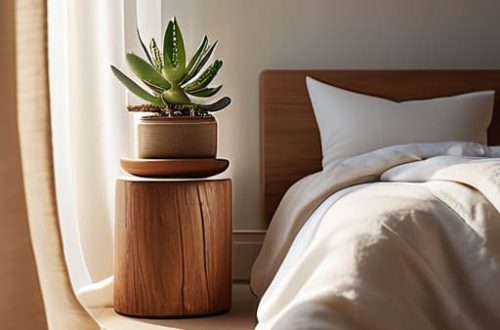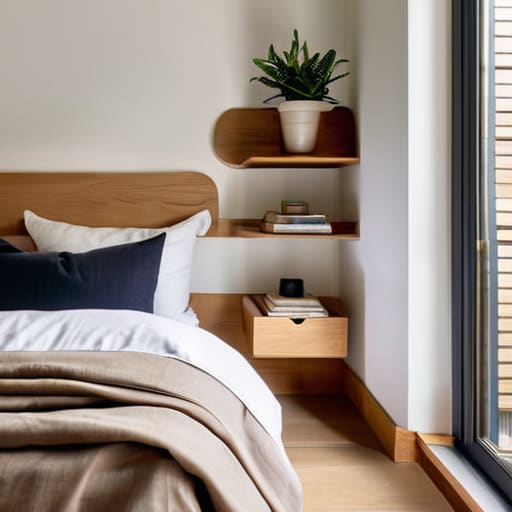
I spent ten years in a sleep lab watching patients struggle to find a comfortable position because their bedside table was buried under a mountain of half-read paperbacks and charging cables. Most of the “expert” advice you see online about how to store things in a small bedroom is frankly exhausting; it’s a relentless parade of expensive, aesthetic wicker baskets and “minimalist” lifestyle trends that actually make your space feel more claustrophobic. You don’t need a complete lifestyle overhaul or a designer’s budget to fix a cramped room; you just need to stop fighting a losing battle against poorly planned layouts that treat your belongings like intruders rather than essentials.
I’m not here to sell you on a specific brand of organizer or tell you to throw away everything you own to achieve “zen.” Instead, I’m going to give you the clinical reality of how physical clutter affects your ability to decompress. I will show you which storage hacks actually work based on how we move through a space and which ones are just expensive clutter masquerading as solutions. We are going to focus on practical, evidence-based ways to reclaim your floor space so your bedroom can finally do its job: being a place where you actually rest.
Your Bedroom Isnt Small Your Storage Strategy Is Just Fundamentally Flawed
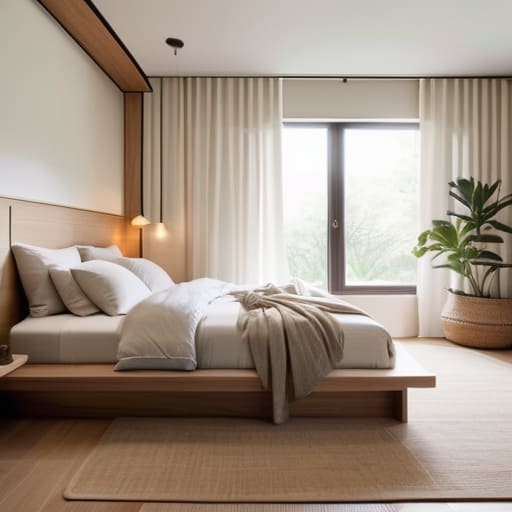
We have a tendency to view a cramped bedroom as a physical inevitability, a structural failure of the building itself. But after seventeen years of observing how people inhabit their spaces—and how those spaces, in turn, impact their ability to actually rest—I can tell you that the problem is rarely the square footage. It is almost always the way we’ve allowed our belongings to colonize the floor. When you are constantly tripping over a stray shoe or navigating a labyrinth of half-empty boxes, your brain stays in a state of low-level hyper-vigilance. You can’t drift off when your environment feels like a series of obstacles.
The solution isn’t necessarily buying more “stuff,” but rather shifting your focus toward vertical storage solutions. Most people waste the most valuable real estate they own: the air between their furniture and the ceiling. If you aren’t utilizing wall-mounted shelving or tall, slim units, you are essentially throwing away usable space. Instead of searching for more ways to tuck things under the bed, look upward. By maximizing floor space through smarter, higher placement, you stop the visual noise that keeps your nervous system buzzing long after the lights go out.
Why Maximizing Floor Space Is a Metric You Are Misinterpreting
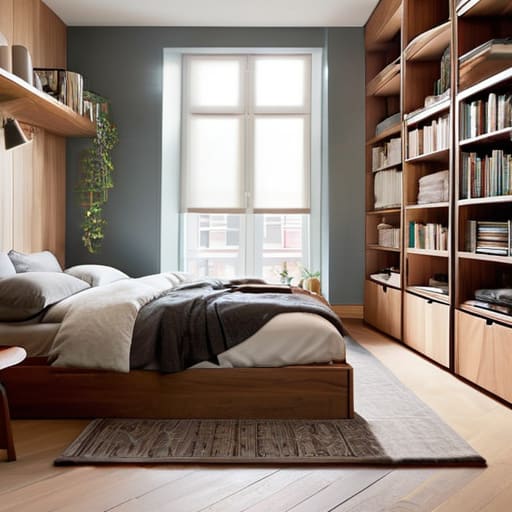
We have this strange, ingrained obsession with seeing as much carpet as possible. We look at a room and think that if we can just clear the floor, we’ve “won” the battle against a cramped space. But in my clinic, I see how a room’s layout affects the person inside it, and a vast, empty floor is often a sign of a room that isn’t actually working. When you focus solely on maximizing floor space, you often end up with a “museum effect”—a room that looks tidy but lacks the functional infrastructure to actually support your life.
Instead of chasing empty floorboards, you should be looking at the volume of the room. Most people overlook the most valuable real estate they own: the walls. By implementing vertical storage solutions, you move the visual and physical weight of your belongings away from your walking paths and up toward the ceiling. It’s the difference between a room that feels hollow and one that feels intentional. If you aren’t utilizing the height of your walls, you aren’t actually solving your storage problem; you’re just moving the clutter around.
The Truth About How to Store Things in a Small Bedroom
We need to stop treating the bedroom like a storage unit and start treating it like a recovery zone. When I see patients struggling with sleep hygiene, the visual noise of a cluttered room is often the invisible culprit; it keeps the brain in a state of low-level alertness. If you are trying to solve the problem by simply shoving more items into your current setup, you aren’t fixing the issue, you’re just burying the stress. The real answer lies in vertical storage solutions. We have a tendency to obsess over the footprint of our furniture, but we almost entirely ignore the vast, underutilised real estate between our waistline and the ceiling.
Instead of hunting for more floor-standing units that eat into your movement space, look up. High shelving or wall-mounted units allow you to clear the visual field at eye level, which is essential for lowering cortisol before bed. If you combine this with smart, multi-functional bedroom decor—think a bedside table that actually has a drawer rather than just a surface—you begin to create a sense of order that isn’t just about tidiness, but about psychological calm.
Stop Ignoring Vertical Storage Solutions and Actual Spatial Evidence
We have a psychological tendency to view the walls of a room as mere boundaries, rather than usable real estate. In the clinic, I see how a cluttered, low-level environment creates a sense of visual “noise” that can subtly elevate cortisol levels before you’ve even tucked yourself in. If your floor is a graveyard of discarded clothes and half-read books, your brain struggles to signal that the space is for rest. This is why you must stop obsessing over the square footage of your floor and start looking up. Utilizing vertical storage solutions isn’t just a way to hide your mess; it’s a way to reclaim the visual calm necessary for sleep hygiene.
Instead of searching for more floor-based bins, look at the space between your eye level and the ceiling. Floating shelves or tall, slender bookcases do more than just clear a path; they move the chaos out of your direct line of sight. When you invest in space saving furniture ideas—like a bed with integrated drawers or wall-mounted bedside lamps—you aren’t just “organizing”; you are strategically reducing the cognitive load of your environment. A room that feels open is a room that allows the nervous system to settle.
Space Saving Furniture Ideas That Actually Serve a Purpose
When we talk about space saving furniture ideas, I see a lot of people buying “gadgets” that end up becoming more clutter. A velvet ottoman that doubles as a storage bin sounds lovely in a showroom, but if it’s too soft to actually sit on comfortably, it’s just an expensive box taking up your walking path. I’m a proponent of pieces that serve a structural purpose. Think of a bed frame with built-in drawers or a headboard that incorporates slim shelving. You want items that solve a problem—like where your books go or where your extra duvets live—without adding a new layer of visual noise to the room.
The goal isn’t just to fill every gap; it’s about intentionality. If you are looking into multi-functional bedroom decor, prioritize items that reduce the need for secondary surfaces. A small, wall-mounted floating desk can replace a bulky bedside table and a separate workstation, effectively reclaiming your floor. It’s about creating a streamlined environment where every object has a dedicated home, rather than just shuffling the chaos from the floor to a new, slightly more expensive piece of furniture.
Decluttering Small Living Spaces Requires More Than Just Aesthetic Decor
We have been conditioned to believe that decluttering is a lifestyle aesthetic—a curated collection of beige linen baskets and empty surfaces that look lovely in a staged photograph. But if you’ve ever spent a night tossing and turning in a room that feels like it’s closing in on you, you know that “minimalism” isn’t a decoration; it is a physiological necessity. When we talk about decluttering small living spaces, we aren’t talking about making a room look “Pinterest-ready.” We are talking about reducing the visual noise that keeps your brain in a state of low-level hyperarousal.
If your bedside table is a graveyard of half-read books, charging cables, and skincare bottles, your brain cannot signal to your nervous system that the day is done. This isn’t about being tidy; it’s about cognitive load. Effective organizing small bedroom closets or surfaces isn’t just a chore—it is a way to manage the environment so your mind can actually descend into sleep. If your storage strategy is purely cosmetic, you are merely rearranging the chaos rather than solving the structural problem that is preventing you from resting.
Five evidence-based rules for reclaiming your bedroom from the clutter
- Stop treating your bedside table like a secondary junk drawer; if you can’t reach your water or your book without a frantic search, you’re increasing your cortisol levels before bed. Keep the surface clear to signal to your brain that this room is for rest, not for managing your life’s admin.
- Audit your seasonal rotation with clinical detachment. If you are storing heavy winter duvets or thick knitwear in the middle of a summer heatwave, you are wasting precious cubic centimetres; use vacuum bags to compress them and move them to a high shelf or under the bed, out of your immediate visual field.
- Respect the “visual noise” threshold. In a small room, every open shelf or cluttered surface acts as a constant micro-stressor to your nervous system. If you can’t hide the contents of a shelf behind a solid door or a uniform basket, it shouldn’t be in your sleeping quarters.
- Prioritize the “reachability” metric over “storage capacity.” It doesn’t matter if a storage ottoman holds fifty items if you have to move three other things to get to it; if a storage solution requires a complex ritual to access, you will eventually stop using it and just pile things on top instead.
- Use the “one-in, one-out” rule to maintain your spatial equilibrium. A small bedroom has a fixed capacity; every time you bring a new piece of clothing or a new gadget into that room, something else must be retired or moved to a different part of the house, or your “sleep sanctuary” will inevitably revert to a storage unit.
The reality of your bedroom's capacity
Stop obsessing over floor space; if your storage isn’t moving up the walls, you aren’t actually using the room’s volume.
Ditch the “aesthetic” clutter and prioritize functional, multi-purpose furniture that serves a physiological purpose—namely, keeping your environment calm.
Effective storage isn’t about buying more bins; it’s about a strategic layout that treats your bedroom as a space for rest rather than a warehouse for your life.
Frequently Asked Questions
If I invest in a large storage bed or a wardrobe system, am I actually improving my sleep environment or just adding more visual clutter to a room that's already too cramped?
It depends entirely on whether that furniture solves a problem or just moves it. A large storage bed is a win if it swallows the seasonal clutter that’s currently colonising your floor or chair. But if a massive wardrobe makes the room feel like a corridor, you’re trading physical floor space for psychological claustrophobia. From a physiological standpoint, a cramped, visually busy room can spike cortisol. Choose the piece that clears the visual noise, not just the floor.
How much does the physical layout of my storage actually affect my ability to wind down at night versus just looking "tidy"?
It’s not about aesthetics; it’s about cognitive load. When your storage is haphazard, your brain treats every visible pile as an unfinished task. In my clinic, I see how “visual noise” keeps the nervous system in a state of low-level alertness. If you have to dig through a mountain of clothes to find your pyjamas, you’re triggering a micro-stress response right when you should be downregulating. Tidy looks nice, but organized storage actually facilitates the transition to sleep.
I’ve seen so many "space-saving" gadgets online that look like they belong in a laboratory; how do I distinguish between a functional storage solution and more expensive clutter that will just end up collecting dust?
If it looks like it belongs in a laboratory, it probably does. I’ve spent years looking at medical equipment, and I can tell you: if a gadget requires a complex setup or a specific “system” just to function, it’s not a solution; it’s a chore. Real storage should be invisible and intuitive. If you have to think about how to use it, you won’t use it. Stick to things that solve a specific problem, not things that promise a lifestyle.