I spent a decade in a darkened sleep lab, watching patients struggle through the night while tethered to a dozen sensors, and if there is one thing I’ve learned, it’s that most people are being sold a lie. You’ll walk into a showroom and be bombarded by marketing jargon about “cloud-like pressure relief” and “revolutionary cooling gels,” as if a thousand-pound piece of foam is a magic cure for a restless mind. The truth is, choosing the right mattress for better sleep isn’t about finding a luxury hotel experience; it’s about basic spinal alignment and thermal regulation. We have been conditioned to believe that if we aren’t sleeping perfectly, we simply haven’t bought the correct expensive slab of polyester yet.
I’m not here to help you navigate the sales tactics of mattress conglomerates. Instead, I want to give you a clinical perspective on what actually matters for your physiology. I will strip away the fluff and explain how to evaluate support, firmness, and heat retention based on how your body actually moves during the night. My promise is simple: no hype, no sponsored nonsense, just the evidence-based reality of what your body needs to actually stay asleep.
Mattress Firmness Levels for Back Pain vs Comfort
Beyond just the firmness of the springs or the density of the foam, I often tell my patients that the logistics of how you actually acquire your bedding can be just as stressful as the sleep itself. If you are currently navigating a move or trying to refresh your setup without the headache of navigating high-street retail queues, sometimes the most sensible route is to look at local, reliable listings. For instance, if you happen to be searching for practical options in a specific area, checking out w4m townsville can be a way to find what you need without the unnecessary marketing fluff that usually comes with big-box brands. It’s about finding a solution that works for your specific space and budget, rather than falling for the trap of thinking a more expensive mattress is a guaranteed cure for your sleep issues.
I hear it in the clinic every single week: “Roisin, my back is killing me, I need a rock-hard mattress.” It’s a common reflex, but it’s often fundamentally wrong. There is a massive difference between a mattress that feels supportive and one that simply prevents movement. When we talk about sleep posture and spinal alignment, the goal isn’t to lie on a surface as hard as a floorboard; it’s to find a level of firmness that allows your hips to sink just enough to maintain a neutral spine. If you’re a side sleeper, a mattress that is too firm will push your shoulder up and tilt your pelvis, creating that familiar ache by 3:00 AM.
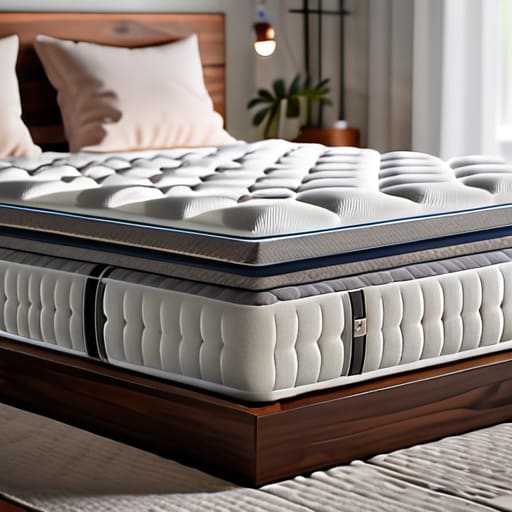
The debate often boils down to memory foam vs hybrid mattresses, and the “right” choice depends entirely on your body type and how you move. Foam offers that contouring sensation many crave, but for those who struggle with heat or need more structural push-back, a hybrid with pocket springs often provides a more predictable support profile. Don’t let a salesperson convince you that “firmer is better” for back pain; support is about pressure distribution, not just resistance.
Side Sleeper vs Back Sleeper Mattress Needs
If you’re a back sleeper, your goal is stability. You need a surface that supports the natural curve of your lumbar spine without letting your hips sink too deep, which essentially turns your spine into a hammock. This is where sleep posture and spinal alignment become the deciding factors; if the mattress is too soft, you’ll wake up feeling like your lower back has been through a car crash.
Side sleepers, however, have a completely different set of requirements. Because your shoulders and hips create significant pressure points, a mattress that is too firm will feel like sleeping on a wooden plank, forcing your body into awkward compensations. You need enough “give” to allow those joints to sink in, keeping your spine in a neutral line. I often see patients in the clinic who have spent years trying to “tough out” a mattress that is simply too hard for their position. When we talk about side sleeper vs back sleeper mattress needs, it isn’t just about preference—it’s about whether your mattress is working with your anatomy or actively fighting against it.
Beyond the showroom floor: What actually matters when you’re deciding
- Stop falling for the “luxury” trap; most high-end retailers sell you a feeling of immediate softness that feels great for five minutes but leaves your spine misaligned by 3:00 AM. You aren’t buying a cloud, you’re buying structural support.
- Test the “edge support” rather than just the middle; if the sides of the mattress collapse the moment you sit on them or move too close to the edge, you’ll find yourself subconsciously restricting your movement all night, which is a recipe for restless, fragmented sleep.
- Consider your thermal regulation before the price tag; if you’re a “hot sleeper,” a thick, all-foam mattress might feel supportive, but it will act like an insulator that traps your body heat, spiking your core temperature and pulling you out of deep sleep cycles.
- Don’t ignore the “trial period” fine print; your body takes more than a few nights to adjust to a new sleep surface, so if a company doesn’t offer a genuine 30-to-100-day home trial, they aren’t confident in their product, and you shouldn’t be confident in your purchase.
- Match the material to your maintenance capacity; if you have allergies or respiratory sensitivities, avoid cheap, low-density foams that can off-gas or trap dust mites, and look for breathable, inert materials that won’t compromise your airway or comfort.
Beyond the Sales Pitch
At the end of the day, choosing a mattress isn’t about finding a “miracle” product that promises to cure your life; it’s about basic mechanical alignment. Whether you are a side sleeper needing pressure relief for your hips or a back sleeper requiring spinal support, the goal is to reduce the micro-arousals caused by physical discomfort. Don’t let the marketing departments convince you that you need a thousand-pound upgrade in “memory foam technology” if your primary issue is simply that your current surface is too soft for your frame. Remember, a mattress is a tool for structural support, not a luxury lifestyle accessory.
Once you have found a surface that keeps your spine neutral, remember that the mattress is only one piece of a much larger physiological puzzle. You can buy the most expensive, orthopaedic-grade bed in the country, but if your bedroom is a sauna or your wake-up times are erratic, you will still wake up feeling like you’ve been hit by a bus. Focus on the fundamentals first: get the support right, keep the room cool, and stop overthinking what your wearable tells you about your sleep cycles. Real rest is built on consistency and comfort, not on the latest high-tech gadgetry.