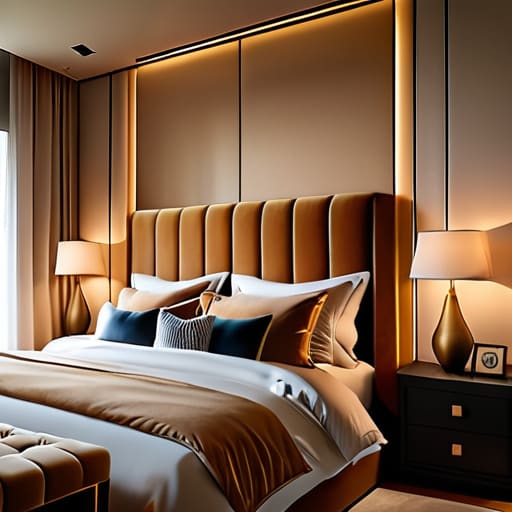
I see it every single week in the clinic: a patient who has spent hundreds of pounds on “smart” bedside lamps and high-tech dimmers, yet they’re still staring at the ceiling at 3:00 AM. They think they need a complete technological overhaul, but they’re missing the point entirely. Most of these expensive gadgets are just distractions from the fact that your room is functionally a bright, sterile box once the sun goes down. If you are chasing essential lighting layers for bedroom ambiance by simply buying more “smart” tech, you aren’t fixing your sleep hygiene; you’re just adding more blue-light-emitting junk to your bedside table.
I’m not here to sell you a lifestyle aesthetic or a way to make your bedroom look like a Pinterest board. I want to talk about how light actually interacts with your circadian biology. I’m going to show you how to use simple, low-level light sources to signal to your brain that the day is actually over. We are going to strip away the marketing fluff and focus on the evidence-based setup that actually supports your natural melatonin production, rather than just making your room look “pretty” for an hour before you crash.
Stop Chasing Aesthetic the Truth About Ambient vs Task Lighting Bedroom
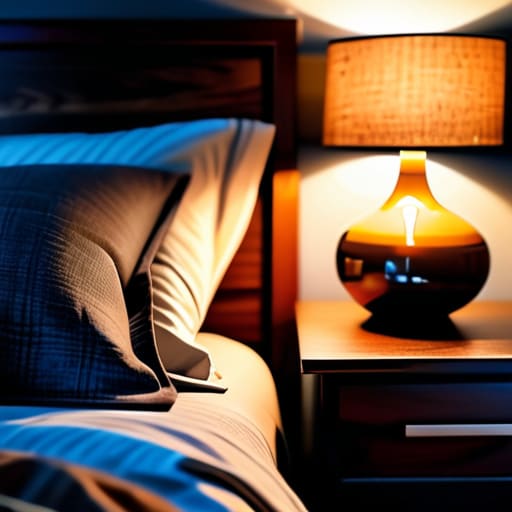
If you find yourself scrolling through endless, brightly lit forums late at night trying to find answers to your restlessness, please do yourself a favour and put the phone down. The blue light is one thing, but the mental stimulation of seeking connection or distraction in the middle of the night is often what keeps your cortisol spiked when it should be dropping. If you are feeling lonely or just need a way to decompress before you actually attempt to dim the lights, sometimes a bit of adult chat UK can provide a way to engage and unwind, but try to keep it to a strictly timed window so you don’t end up chasing a dopamine loop right when your brain is trying to signal for sleep.
I see it constantly on Pinterest: perfectly curated bedrooms with high-contrast, bright accent lighting that looks stunning in a photo but is a physiological nightmare. We’ve become obsessed with the “aesthetic” of a bedroom, often at the expense of its actual function. When you’re looking at ambient vs task lighting bedroom setups, you have to remember that your brain isn’t a camera; it’s a chemical factory. If you walk into your room and the only light source is a bright, cool-toned overhead or a sharp spotlight designed for decor, you are essentially telling your pineal gland to stay awake.
The goal isn’t to make a showroom; it’s to facilitate the transition from wakefulness to sleep. This is where layered lighting design principles actually become useful. You need task lighting—like a dedicated reading lamp—that is localized and controlled, rather than flooding the entire room. Most importantly, you need to prioritize a warm light color temperature for sleep. If your “mood lighting” is actually a harsh, blue-heavy LED, you aren’t relaxing; you’re just performing a very expensive version of staying awake.
Why Warm Light Color Temperature for Sleep Actually Matters
I spend a lot of my time explaining to patients that sleep isn’t just a switch you flip; it’s a physiological descent that requires the right biological cues. This is where the science of warm light color temperature for sleep stops being a “lifestyle tip” and becomes a neurological necessity. When you bathe your room in harsh, blue-toned light, you are essentially shouting at your pineal gland to keep producing cortisol and suppressing melatonin. You might feel awake, but you are biologically signaling that it is midday, not midnight.
If you want to actually prepare your brain for rest, you need to move away from those bright, clinical overheads. Instead, look for dimmable bedside lamp options that sit in the lower Kelvin range—think the soft, amber glow of a candle rather than a fluorescent office tube. By using these warmer tones, you are mimicking the natural sunset, which allows your internal clock to begin its gradual wind-down. It isn’t about making the room look “pretty” for a social media post; it is about using mood lighting for relaxation to signal to your nervous system that the day is officially over.
How to actually layer your light (without turning your bedroom into a showroom)
- Ditch the “big light” at least an hour before you want to be unconscious; if the only light source in your room is a single, harsh overhead fixture, you are essentially shouting at your pineal gland to stay awake.
- Invest in bedside lamps with adjustable necks so you can direct light downward for reading, rather than letting a bright bulb wash over your entire face and signal to your brain that it’s midday.
- Use smart bulbs or dimmers to create a “sunset” effect, gradually lowering the intensity of your room’s light as you approach your target wake time—it’s much more effective than trying to flip a switch and suddenly expecting sleep to arrive.
- Stop ignoring the floor; a low-level light, like a dim salt lamp or a small floor lamp in a corner, mimics the natural low-angle light of dusk and helps transition your nervous system into a rest state.
- If you have to get up in the middle of the night for a glass of water or a bathroom trip, use a motion-activated nightlight at floor level rather than turning on a lamp; you want enough light to navigate safely, but not enough to trigger a full wakefulness response.
Bringing the Light Home
At the end of the day, fixing your bedroom lighting isn’t about buying a designer lamp or following a Pinterest board; it’s about respecting your biology. We’ve talked about why that harsh overhead light is essentially a chemical signal to your brain to stay awake, and why layering soft, warm-toned task lights is a far more effective way to transition into rest. Remember, the goal isn’t just “ambiance”—it is the intentional creation of a sensory signal that tells your nervous system the day is over. If you can manage your light temperature and stop relying on a single, blinding source, you are already doing more for your sleep hygiene than most of the “biohacking” gadgets I see people obsessing over.
I know how exhausting it is to feel like you’re constantly fighting your own body just to get through the night. But please, stop looking for a magic pill or a complex sleep score on your wrist to tell you if you’ve done enough. Sometimes, the most profound physiological shift comes from the simplest adjustments—like dimming the lights an hour before you intend to sleep. You don’t need to overhaul your entire life to see a difference; you just need to stop making it harder for your brain to shut down. Start small, be consistent with your light layers, and give your body the environmental cues it has been asking for all along.