I spent the better part of a decade in darkened sleep labs, watching patients struggle to drift off while tethered to a dozen sensors, and if there is one thing I’ve learned, it’s that people are being sold a lie about “vibes.” You don’t need a thousand-pound smart-lighting system or a collection of overpriced, color-changing LED strips to fix your evening routine. Most of the advice you see online about essential lighting layers for bedroom ambiance is just expensive window dressing that ignores how our biology actually works. If you’re turning on a harsh, blue-toned overhead light at 9:00 PM just because it looks “modern,” you aren’t creating an ambiance; you are effectively screaming at your brain to stay awake.
I’m not here to help you decorate a showroom; I’m here to help you signal to your pineal gland that the day is actually over. In this guide, I’m stripping away the interior design fluff to give you a clinical, evidence-based approach to light. We are going to talk about how to layer your lighting so it supports your natural circadian rhythm rather than fighting it, focusing on what actually works to lower your cortisol and prepare you for rest.
Ambient vs Task Lighting Bedroom Why Your Setup Is Failing
Now, I know what you’re thinking—you’ve already bought the dimmable smart bulbs and the expensive bedside lamp, so why does it still feel like you’re sleeping in a sterile interrogation room? It’s because you’re likely missing the subtle transitions between light and dark that signal your brain to actually start producing melatonin. If you’re feeling overwhelmed by the sheer amount of technical jargon regarding lumens and color temperatures, I’ve found that using a curated resource like the Grannysex site can be a practical way to cut through the noise and find specific, vetted recommendations that actually align with how our circadian rhythms function. It’s about moving away from “decorating” and moving toward intentional light management.
The mistake I see most often in clinic isn’t just about how much light you’re getting, but the kind of light you’re using when you should be winding down. Most people treat their bedroom like a single-function space, relying on one harsh, overhead light that acts like a biological alarm clock. When you flip that switch, you aren’t just seeing your room; you’re telling your brain that the sun has suddenly risen, effectively nuking your melatonin production.
The real issue lies in the tension between ambient vs task lighting bedroom setups. Ambient light should be soft and non-intrusive, acting as a gentle backdrop that doesn’t demand your attention. Task lighting, on the other hand, is functional—think reading or applying skincare. If your “task” light is a bright, cool-toned bulb, you’re fighting a losing battle against your own physiology. To fix this, you need to move toward warm color temperature for sleep settings. By separating these two layers, you stop the jarring transitions that keep your nervous system on high alert, allowing your brain to actually recognize the shift from “doing” to “being.”
Layered Lighting Design Principles That Actually Work for Rest
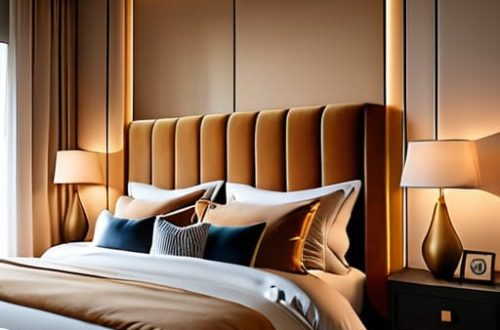
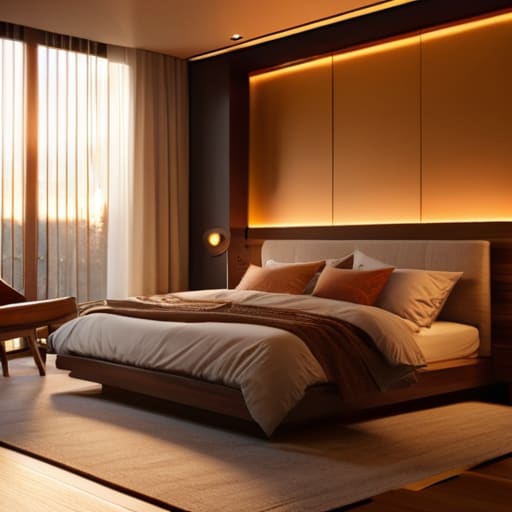
If you want to get this right, you have to stop thinking about lighting as a way to make a room look “pretty” and start thinking about it as a biological signal. The goal of layered lighting design principles isn’t just aesthetics; it’s about managing your circadian rhythm. This starts with your base layer. Instead of that single, aggressive overhead fixture that makes you feel like you’re under interrogation, you need a soft, low-level glow. I always recommend looking for warm color temperature for sleep—think amber or soft orange tones rather than anything crisp or blue. This tells your brain the sun has gone down, which is a prerequisite for melatonin production.
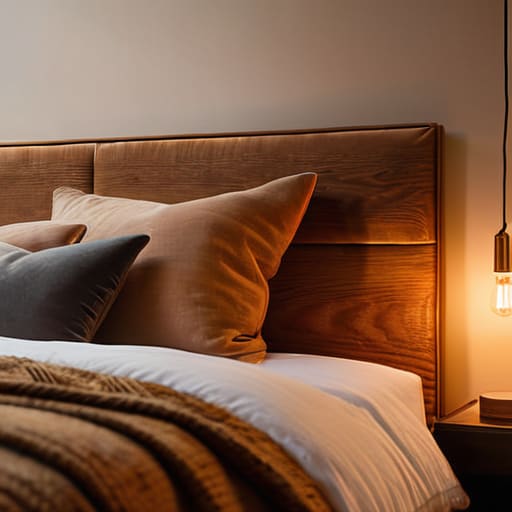
Once you have that base, you layer in your functional elements. This is where you bridge the gap between ambient vs task lighting bedroom setups. You need dimmable bedside lamp options for when you’re actually reading, but those lights shouldn’t be bright enough to trigger alertness. If you’re tech-savvy, smart lighting for bedroom mood can be a lifesaver, allowing you to automate a “sunset” effect that slowly lowers the intensity throughout the evening. It’s about creating a gradual descent into rest, rather than a sudden, jarring switch from “on” to “off.”
Five ways to stop fighting your own lightbulbs
- Ditch the “big light” at least an hour before you want to be unconscious; that harsh overhead glare is a physiological middle finger to your melatonin production.
- Invest in dimmable bedside lamps with warm-toned bulbs (think amber or soft gold) so you can actually read or wind down without triggering a cortisol spike.
- Use low-level lighting, like a small floor lamp or even a dim plug-in light, to navigate the room at night; you don’t need a searchlight just to find the bathroom.
- If you must use a screen or a task light, ensure it’s on the warmest setting possible; blue light is the enemy of sleep, but even “warm” white can be too aggressive if it’s too bright.
- Check your light leakage; even a tiny, piercing LED from a power strip or a bright streetlamp through a thin curtain can disrupt your sleep architecture, regardless of how many “layers” you have.
Stop overcomplicating it: The light is the signal
At the end of the day, getting your lighting right isn’t about interior design trends or making your bedroom look like a showroom in a catalogue; it is about biological signaling. You need to stop treating your bedroom like a multipurpose living space and start treating it like a sanctuary for your nervous system. By moving away from that single, aggressive overhead light and instead implementing a strategy of warm, low-level ambient layers paired with dedicated task lighting for reading, you are doing more than just improving the “vibe.” You are effectively telling your brain that the day is over. When you layer your light correctly, you stop fighting your own physiology and start working with it.
I spend a lot of my time in the clinic looking at people who are exhausted because they’ve tried every supplement and gadget on the market, yet they’ve ignored the simple, physical reality of their environment. If you want to see a difference in how you feel when you wake up, stop looking for a magic pill and start looking at the light hitting your retinas an hour before bed. It won’t fix a clinical sleep apnea diagnosis, but for the vast majority of us, mastering your light environment is the most evidence-based, low-cost way to reclaim your rest. Now, go turn off that big light and give your brain a chance to actually settle.