I spent a decade in dimly lit sleep labs, watching patients struggle under a tangle of wires, and if there is one thing I’ve learned, it’s that people are being sold a lot of expensive nonsense. You don’t need a $300 “smart” mattress topper or a subscription to a meditation app to fix a fundamental physiological mismatch. Most of the time, when people ask me about how baths and temperature affect sleep, they are looking for a magic pill, when they actually just need to stop treating their bedroom like a sauna. We have become obsessed with tracking every micro-movement of our bodies, yet we completely ignore the basic thermodynamics of our own skin.
I’m not here to give you another list of vague “wellness” tips that sound like they were written by a marketing department. I want to talk about the actual science of vasodilation and why that warm soak you’re taking might actually be working—or why it’s failing you. I promise to strip away the wearable hype and explain the genuine biological mechanisms at play, so you can finally stop chasing data and start actually resting.
Understanding How Baths and Temperature Affect Sleep

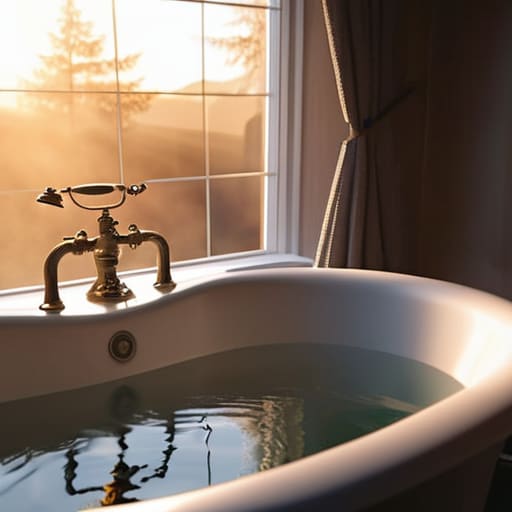
To understand why a soak in the tub actually does anything, you have to stop thinking about “relaxing” and start thinking about thermodynamics. Your body is not a static object; it is a heat-regulating machine that follows a very specific internal clock. For sleep to happen, your core temperature needs to drop. This is where the magic of vasodilation and sleep onset comes in. When you submerge yourself in warm water, you aren’t just soothing your muscles; you are effectively dilating the blood vessels near your skin.
This process acts like a radiator for your body. By bringing blood to the surface, you are facilitating a rapid cooling down after a hot bath once you step out of the tub and into the bedroom air. It’s a bit of a physiological paradox: you use external heat to trigger an internal cooling mechanism. This rapid drop in core temperature sends a clear, biological signal to your brain that the day is over. It mimics the natural dip in temperature that happens as evening approaches, helping to align your internal state with your circadian rhythm and body temperature requirements.
Key Things to Know
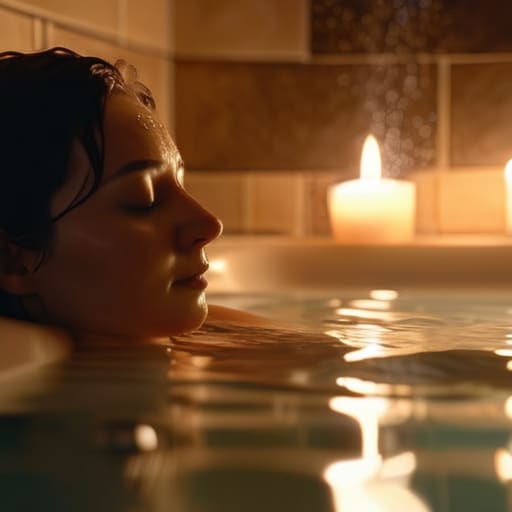
First, let’s get one thing straight: a warm bath isn’t a magic potion, but it is a physiological lever. When you soak in warm water, you aren’t just relaxing your muscles; you are triggering vasodilation and sleep onset by pulling heat from your core to your extremities. As you step out of the tub, that rapid drop in core temperature acts as a biological signal to your brain that it is time to power down. It’s about the transition, not just the soak.
Second, you need to stop treating your bedroom like a cozy den. If you are trying to sleep in a room that feels like a sauna, you are fighting a losing battle against your own biology. There is a tight, essential link between circadian rhythm and body temperature; your brain needs that thermal dip to initiate the sleep cycle effectively. If your environment stays too warm, your body stays on high alert. Finding that sweet spot—usually around 18 degrees Celsius—is often more effective than any expensive supplement you’ll find online.
Practical Tips and Steps
First, let’s get practical. If you want to use a soak to your advantage, timing is everything. You aren’t just trying to get “relaxed”; you are trying to trigger a specific physiological shift. Aim for a warm bath about one to two hours before you actually intend to close your eyes. The goal here is vasodilation and sleep onset—you want that heat to draw the blood to your extremities, which effectively facilitates the rapid cooling down after a hot bath that your core needs to signal sleep.
Second, stop treating your bedroom like a lounge. You can take the most therapeutic bath in the world, but if you crawl into a room that feels like a sauna, you’ve wasted your time. I tell my patients constantly: your environment must support the drop in core temperature that naturally follows. Aim for an optimal bedroom temperature for sleep somewhere in the 16–18°C range. If you’re fighting a stuffy, overheated room, your body will struggle to complete that temperature descent, and you’ll find yourself staring at the ceiling regardless of how “relaxed” your muscles feel.
Common Mistakes to Avoid
The biggest mistake I see is people treating a hot bath like a magic pill rather than a physiological trigger. Many of my patients think that if they just soak long enough, they’ll drift off, but they often miss the window. The goal isn’t to stay hot; it’s about cooling down after a hot bath. If you step straight from a steaming tub into a bedroom that feels like a sauna, you’re fighting your own biology. You need that rapid drop in core temperature to signal to your brain that it’s time to shut down.
Another trap is the “weekend catch-up” approach to temperature. You might try to optimize your environment on a Friday night, but if your routine is chaotic, your internal clock won’t care. There is a delicate dance between circadian rhythm and body temperature; if you’re using heat to force sleep at irregular hours, you’re just confusing your system. Stop trying to “force” sleep with extreme temperature shifts. If your bedroom isn’t consistently cool, no amount of evening soaking is going to compensate for a thermal environment that’s working against you.
Final Thoughts
At the end of the day, I want you to stop looking at your wearable’s sleep score as a verdict on your health. A gadget can tell you when you moved, but it can’t tell you how your biology is actually responding to your environment. If you’ve been struggling to drift off, stop searching for a magic pill and start looking at your thermostat. Achieving the optimal bedroom temperature for sleep isn’t just a luxury; it is a physiological requirement for your brain to signal that the day is done.
If you decide to try a warm bath, remember that the goal isn’t to heat yourself up like a baked potato. The real magic lies in cooling down after a hot bath; that rapid drop in core temperature is the biological trigger that tells your system it’s time to rest. It’s about working with your natural rhythms, not fighting against them. Get the room cool, get the bath right, and for heaven’s sake, stop checking the data the moment you wake up. Your body knows what to do if you just give it the right conditions.
The Roisin Rules: Practical temperature tactics
- Stop treating your bedroom like a sauna; aim for a cool environment, ideally around 18°C, because your core temperature needs to drop to trigger sleep, not fight a heatwave.
- Time your bath for about 60 to 90 minutes before you actually want to be unconscious; the magic isn’t the heat itself, it’s the rapid cooling that happens when you step out of the water.
- Don’t mistake a hot bath for a “sleep sedative”—if you’re still sweating and overheated when your head hits the pillow, you’ve actually just sabotaged your ability to drift off.
- If you’re a night owl who struggles with a racing mind, use the warmth of a bath to signal the end of the day, but keep the lights low to avoid telling your brain it’s morning.
- Forget the expensive “sleep-optimising” gadgets for a moment and just check your bedding; if it’s heavy, synthetic, and trapping heat, no amount of ritual is going to save your sleep cycle.
The Bottom Line
Stop letting your wearable dictate your worth; a bath is a physiological tool to drop your core temperature, not a way to “game” a sleep score.
Temperature is non-negotiable—if your bedroom is a sauna, you aren’t fighting insomnia, you’re just fighting physics.
Timing is everything; a warm bath works because of the cooling effect that follows, so use it as a bridge to sleep, not a distraction from it.
Frequently Asked Questions
If my bedroom is already too warm, will a hot bath actually help me cool down, or am I just making things worse?
It’s a fair question, and honestly, it’s where most people trip up. If your bedroom is a sauna, a hot bath can actually backfire by keeping your core temperature elevated. The goal of a bath isn’t to heat you up; it’s to trigger a rapid cooling effect via vasodilation—sending blood to your hands and feet so your core temperature drops. But if the room is already stifling, that heat has nowhere to go. Cool the room first.
My wearable says my body temperature is high during the night; does that mean I need to change my routine or is the tracker just wrong?
Look, I’ll say it plainly: your wearable is not a medical-grade thermistor. It’s an estimation based on skin temperature, which is notoriously finicky. If your tracker says you’re “running hot,” don’t panic and overhaul your life. Instead, look at your environment. Is your bedroom a sauna? Did you wear heavy pyjamas? If you feel fine, ignore the score. If you’re waking up sweaty, cool the room down—don’t trust the app, trust your skin.
Is there a specific window of time I need to hit between stepping out of the bath and actually trying to close my eyes?
You’re looking for the “sweet spot,” and you’re right to ask. You want to hit that window where your core temperature is actively dropping, not just when you’ve finished scrubbing. Aim for about 60 to 90 minutes before you actually intend to close your eyes. This gives your body enough time to shed that initial heat and trigger the natural dip in temperature that signals your brain it’s time to drift off.