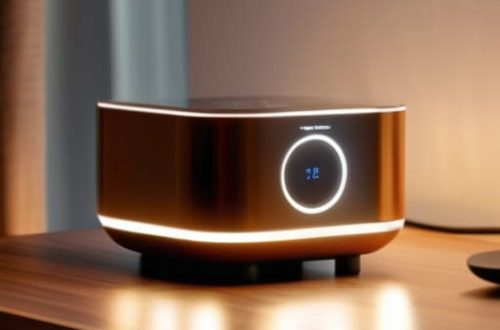
I’ve spent seventeen years in sleep clinics watching people wake up in a state of physiological panic, and if there is one thing I’ve learned, it’s that most people are making a massive mistake with their morning routine. You don’t need a $300 “smart” device that promises to sync with your circadian rhythms through a proprietary app; in fact, most of that tech is just expensive noise. When it comes to deciding how alarm clocks should be chosen, the industry wants you to believe that complexity equals better rest, but they are fundamentally misunderstanding how the brain actually transitions from sleep to wakefulness. We aren’t machines that need a software update; we are biological organisms that need a gentle transition.
I am not here to sell you on the latest gadget or a subscription-based wellness hack. My goal is to strip away the marketing fluff and tell you what actually matters from a clinical perspective: how you manage your cortisol spike and your light exposure. I will show you why a jarring, high-decibel siren is actively sabotaging your daytime cognitive function and provide a practical, evidence-based framework for how alarm clocks should be chosen based on actual sleep physiology. No hype, no nonsense—just the truth about how to wake up without feeling like you’ve been hit by a truck.
Understanding How Alarm Clocks Should Be Chosen
When I’m sitting across from a patient in the clinic, I often find that their struggle with morning grogginess isn’t actually a failure of willpower, but a failure of their transition from sleep to wakefulness. Most people approach this by looking for the loudest, most aggressive siren they can find, thinking that a “shock to the system” is the only way to break through the fog. But if you are constantly jolted out of a deep sleep stage by a jarring noise, you aren’t actually waking up; you are being startled into consciousness. This creates a physiological spike in cortisol that feels less like a fresh start and more like a minor cardiac event.
Instead of looking for a way to force yourself awake, you should be looking for tools that facilitate waking up naturally. This means prioritizing devices that respect your biology—specifically through circadian rhythm alignment. I tend to steer people toward light-based alarms or those with gradual, ascending soundscapes. The goal isn’t to find a way to survive the alarm, but to select a method that allows your brain to transition smoothly through the final stages of sleep, rather than being ripped out of them by a digital scream.
Key Things to Know
First, we need to stop treating the alarm clock as a starting gun for a race you never signed up for. Most people I see in clinic are already operating in a state of chronic sleep debt, and then they hit themselves in the head with a digital siren every morning. If you want to actually support your circadian rhythm alignment, you have to look for tools that facilitate waking up naturally rather than forcing a physiological emergency. This means looking for devices that utilize light or progressive volume rather than sudden, jarring decibels.
Secondly, don’t get seduced by every “smart” gadget on the market. I see patients obsessing over their sleep scores on apps, only to realize the app is suggesting a wake-up time that completely ignores their actual biology. Real morning routine optimization isn’t about following a generic algorithm; it’s about finding a method of waking that doesn’t leave you feeling like you’ve been hit by a freight train. Look for gentle wake up sounds—think birdsong or soft swells of music—that allow your brain to transition from delta waves to alertness without a massive cortisol spike.
Practical Tips and Steps
First, stop treating your wake-up call like a jump-scare. If you are still using a traditional, jarring alarm that sends your heart rate spiking into the red zone, you are essentially forcing your body into a state of emergency every single morning. Instead, look for smart alarm clock features that utilize light or gradual sound increments. I often tell my patients that the goal isn’t just to stop the noise, but to facilitate waking up naturally by mimicking a gradual dawn. This approach respects your biology rather than fighting against it.
Second, look at your environment. A device is only as effective as the context it exists in. If you are trying to achieve true circadian rhythm alignment, your alarm shouldn’t be the only thing changing; your light exposure should be too. I recommend pairing a sunrise simulator with gentle wake up sounds—think birdsong or soft piano rather than a digital siren. This combination helps bridge the gap between deep sleep and alertness, making the transition feel less like a collision and more like a gradual ascent.
Common Mistakes to Avoid
The most frequent error I see in the clinic isn’t actually about the device itself, but the way people use it to fight their own biology. Many of my patients treat their alarm like a starting pistol, choosing the loudest, most jarring siren available to “force” themselves awake. This does nothing but trigger a massive cortisol spike that leaves you feeling jittery and cognitively foggy for hours. If you are constantly hitting snooze, you aren’t actually getting more rest; you are just fragmenting what little sleep you have left, which is a disaster for circadian rhythm alignment.
Another mistake is the misplaced faith in “smart” technology. People buy expensive wearables thinking a sleep score will fix their problems, only to find themselves obsessing over a number that has no clinical validity. Don’t let a gadget dictate your morning. Instead of chasing data, focus on morning routine optimization by choosing tools that facilitate waking up naturally. If you rely on a sound, opt for gentle wake up sounds that mimic a sunrise rather than an emergency broadcast. If your alarm feels like an assault, your day is already starting on the wrong foot.
Final Thoughts
At the end of the day, choosing an alarm isn’t about finding the loudest or the most technologically advanced gadget on the market. It is about respecting the biological reality of your transition from sleep to wakefulness. If you spend your energy chasing every new smart alarm clock feature only to find yourself still feeling like you’ve been hit by a freight train, you aren’t failing at sleep—you are likely just fighting your own biology.
Real progress comes from circadian rhythm alignment and consistency, not from a more expensive piece of plastic on your nightstand. My advice is to stop looking for a magic fix and start looking at the context of your morning. Focus on waking up naturally through light exposure or gentle sounds, and ensure your wake time remains steady, even on weekends. If you can stabilize your rise time and stop treating your morning like a series of emergencies, you’ll find that the “insomnia” you thought you had might just have been a very poorly managed transition into the day.
Five rules for choosing a wake-up tool that doesn't sabotage your biology
- Prioritise light over noise. If you are still using a device that mimics a fire alarm, you are triggering a massive cortisol spike before you’ve even opened your eyes. Look for sunrise simulators that gradually increase light intensity; it’s much kinder to your endocrine system to be nudged awake by light than startled awake by sound.
- Avoid the “snooze” trap by choosing a device with a single, decisive alarm. The snooze button is a physiological lie; that extra nine minutes of fragmented sleep is low-quality and does nothing to resolve sleep inertia. You want a clock that encourages you to commit to the day once the sound begins.
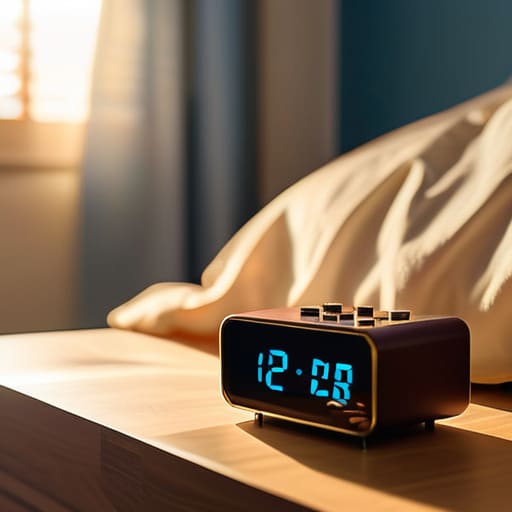
- Steer clear of anything with a glowing, bright digital display in your line of sight. Even if you think your eyes are closed, that blue-light-heavy LED readout can interfere with your melatonin production. If your clock looks like a miniature neon sign, it’s not a sleep tool; it’s a distraction.
- Opt for adjustable frequencies rather than a single, jarring tone. A good alarm should allow you to select sounds that mimic natural rising patterns—think gradual crescendos rather than a sudden, sharp blast. We want to transition from sleep to wakefulness, not jump-start your heart rate.
- Ignore the “smart” alarms that claim to track your sleep stages to wake you at the “perfect” moment. As someone who has spent seventeen years looking at actual polysomnography data, I can tell you: your consumer wearable is guessing. Don’t let a faulty algorithm dictate your morning; choose a clock that respects a consistent wake time instead.
The Bottom Line
Stop looking for a “magical” alarm clock to fix your exhaustion; if your wake-up time is a moving target, no device on the market is going to stabilise your circadian rhythm for you.
Prioritise a gradual, light-based wake-up over a jarring, auditory assault; your biology responds far better to a simulated sunrise than to a sudden spike in cortisol caused by a siren-like alarm.
Treat your alarm as a tool for consistency, not a punishment; the goal is to anchor your morning routine so your body actually knows when to start the process of waking up.
Frequently Asked Questions
If my wearable tells me I had a terrible night of sleep, should I still get up at my usual time or listen to the device and sleep in?
Get up at your usual time. I cannot stress this enough. Your wearable is a glorified motion sensor, not a clinical polysomnograph; its “sleep score” is an educated guess, not a medical fact. If you start sleeping in to “compensate” for a bad score, you are effectively teaching your brain that your wake time is negotiable. That is how you turn a bad night into chronic insomnia. Respect your rhythm, not the gadget.
Can a light-based alarm clock actually help if I have a clinical sleep disorder, or is it just another wellness gimmick?
If you have a genuine circadian rhythm disorder, a light alarm isn’t a gimmick—it’s a tool for biological signaling. For those with clinically diagnosed issues, light helps suppress melatonin and nudge your body toward a more predictable wake time. However, if you’re just struggling with poor sleep hygiene or an irregular schedule, a sunrise lamp won’t fix the underlying chaos. It’s a way to support your biology, not a magic wand to override it.
How do I know if my morning grogginess is just "sleep inertia" from a loud alarm or a sign of an underlying respiratory issue like sleep apnea?
If you feel like you’ve been hit by a truck for twenty minutes after a jarring alarm, that’s likely just sleep inertia—your brain protesting a sudden, violent wake-up. But if that heavy, “brain fog” feeling persists all day, or if you’re waking up gasping or with a dry mouth, we need to look closer. Grogginess from an alarm is a momentary spike; grogginess from apnea is a systemic failure of your oxygen levels.