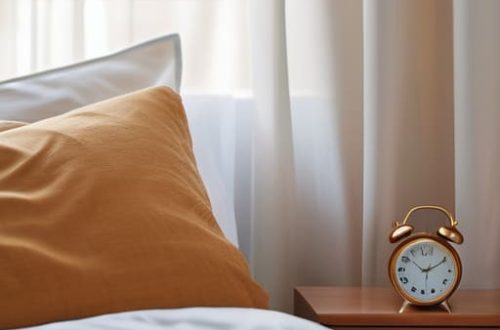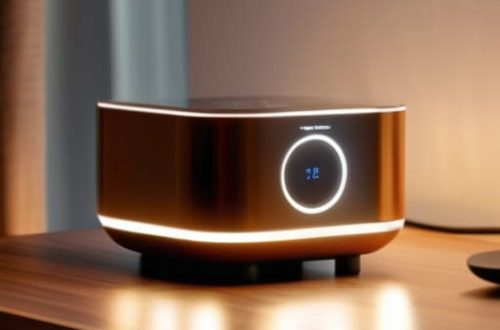
I see them everywhere now—those sleek, glowing orbs being marketed as the “miracle cure” for the morning grogginess that makes you want to crawl back under the duvet. Most of the marketing around how sunrise lamps work makes it sound like you’re buying a biological reset button in a plastic casing. But let’s be honest: if you’re spending eighty pounds on a gadget while your bedroom is still a stifling sauna and your wake-up times are all over the shop, that light is just an expensive way to be blinded in the morning. A lamp isn’t a magic wand, and it certainly isn’t a substitute for circadian consistency.
I’m not here to sell you a lifestyle aesthetic or a piece of tech that promises the moon. My goal is to strip away the wellness fluff and tell you what the physiology actually says. I’ll explain the science behind the light spectrum, why some of these devices are essentially glorified bedside lamps, and whether understanding how sunrise lamps work will actually help you wake up feeling human, or if you’re just throwing money at a symptom of a much deeper routine problem.
Beyond the Hype How Sunrise Lamps Work and Why They Matter
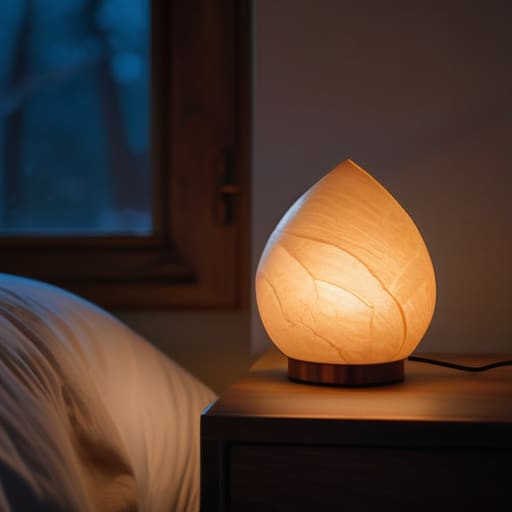
To understand why these devices actually have a place in a bedroom, you have to stop thinking of them as “alarm clocks” and start thinking of them as biological cues. In the clinic, I often talk about the body’s internal clock—what we call circadian rhythm regulation. Your brain is incredibly sensitive to light; it uses it as a primary signal to determine whether it should be secreting sleep hormones or preparing you for movement. When a lamp mimics the gradual shift from darkness to brightness, it isn’t just “waking you up”; it is signaling your brain to begin the process of suppressing melatonin.
This is where the real magic happens: the cortisol awakening response. As that light intensity climbs, your body begins a gentle chemical handoff, ramping up cortisol to give you that necessary morning alertness. For people struggling with the sluggishness of seasonal affective disorder, this kind of light therapy can be a legitimate tool. However, I must be clear: a lamp is a nudge, not a sledgehammer. It works best when it’s part of a predictable routine, not as a desperate attempt to fix a lifestyle that’s fundamentally out of sync.
The Biological Truth of Circadian Rhythm Regulation
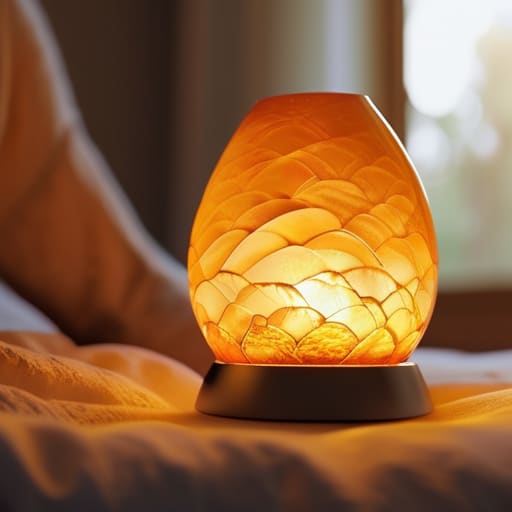
To understand why we’re even talking about light, you have to understand that your brain isn’t just a passenger in your body; it’s a highly sensitive biological clock. This internal mechanism, responsible for circadian rhythm regulation, relies heavily on specific wavelengths of light to signal whether it’s time to repair or time to run. When light hits your retinas in the morning, it triggers a cascade of hormonal shifts. Most importantly, it helps suppress the lingering heaviness of sleep by signaling the brain to stop pumping out melatonin and start prepping for the day.
It isn’t just about “feeling awake,” though. There is a very specific physiological event called the cortisol awakening response—a natural spike in cortisol that helps pull you out of sleep inertia. If you are waking up in a pitch-black room to a jarring, high-pitched alarm, you are essentially shocking a system that was expecting a gradual transition. By using light to mimic the sun, you aren’t just seeing a pretty glow; you are providing the biological cues necessary to smooth out that hormonal transition, making the process of waking up feel less like a physical assault and more like a natural progression.
Melatonin Production and Light the Real Science of Waking Up
To understand why these lamps are more than just expensive bedside clutter, you have to look at the chemical tug-of-war happening in your brain. For most of us, the transition from sleep to wakefulness is a messy, biological negotiation. When darkness hits, your pineal gland starts pumping out melatonin—the hormone that tells your body, “It is time to power down.” If you are jolted awake by a piercing smartphone alarm in a pitch-black room, you are essentially slamming on the brakes while your brain is still trying to coast.
This is where melatonin production and light intersect. A sunrise lamp mimics the gradual shift of the sun, sending a signal to your brain that the night is ending before you actually open your eyes. This gentle light exposure suppresses melatonin secretion and triggers the cortisol awakening response, that necessary spike in alertness that helps you shake off the morning fog. It isn’t magic; it’s just giving your endocrine system a polite heads-up rather than a physical assault. For those of us who struggle with a sluggish start, waking up naturally with light therapy can be the difference between feeling functional and feeling like a zombie for the first three hours of the day.
Harnessing the Cortisol Awakening Response for Natural Energy
We often talk about melatonin when we discuss sleep, but we rarely talk about the “other side” of the coin: the hormonal surge required to actually get out of bed. This is the cortisol awakening response (CAR). In a perfect world, your body begins ramping up cortisol levels about thirty minutes before you even open your eyes, preparing your system for the day ahead. This isn’t the “stress hormone” in the way people usually mean it; it’s a vital biological signal that tells your brain the night is over and it’s time to function.
When you rely on a jarring, high-decibel alarm clock, you aren’t working with this natural rhythm; you’re hijacking it. You’re forcing a state of “sleep inertia” because your brain was startled into consciousness before the chemical groundwork was laid. By using waking up naturally with light therapy, you are essentially providing a gentle, non-invasive nudge to your endocrine system. The gradual increase in light mimics the sun, helping to trigger that cortisol spike predictably. It’s about working with your biology rather than fighting against it every single morning.
Simulated Dawn Light Benefits Versus Mere Aesthetic Novelty
There is a massive gulf between a lamp that looks “pretty” on a bedside table and one that actually performs a physiological function. I see it all the time in clinic—patients who have spent a small fortune on sleek, minimalist gadgets that essentially just act as dimmable bedside lights. If the device isn’t calibrated to mimic the specific spectral shifts of a rising sun, you aren’t getting simulated dawn light benefits; you’re just buying an expensive piece of decor. A true therapeutic tool needs to trigger that biological transition, nudging your system out of its nocturnal state rather than just brightening the room.
The difference lies in whether the light actually engages with your circadian rhythm regulation. A decorative lamp might make your room feel “cozy,” but it won’t do the heavy lifting required for waking up naturally with light therapy. To move the needle, the light needs to be intense enough and at the right frequency to signal to your brain that the day has begun. Without that specific stimulus, you’re left fighting your own biology, trying to shake off sleep inertia with nothing more than a glorified glow-worm.
When Light Therapy Actually Works for Seasonal Affective Disorder
Now, we need to be careful here. I see so many people buying these gadgets in November, hoping they’ll act as a magic wand for their mood, but light therapy isn’t a universal cure. For those of us dealing with Seasonal Affective Disorder (SAD), the issue isn’t just feeling “tired”; it’s a profound misalignment. When the days shorten, your body often fails to get the signal to stop producing melatonin, leaving you in a permanent state of biological twilight. This is where seasonal affective disorder light therapy actually earns its keep. It isn’t about the “pretty glow” of a lamp; it’s about providing a high-intensity signal that tells your brain the day has officially begun.
However, a sunrise lamp is a gentle tool, not a clinical-grade light box. While the simulated dawn light benefits are real for easing you out of sleep, they shouldn’t be your only line of defence if your depression is severe. If you are using a lamp to try and fix a deep, seasonal shift in your neurochemistry, you might find it’s like trying to put out a forest fire with a water pistol. It works best as a way of anchoring your circadian rhythm when the natural sun is too weak to do the job.
Making it Work: How to Use a Sunrise Lamp Without Wasting Your Time
- Stop treating it like a magic wand. A sunrise lamp is a tool for circadian anchoring, not a cure for a lifestyle of midnight scrolling and irregular wake times. If your schedule is a moving target, the light won’t have a rhythm to latch onto.
- Timing is everything, so set it for the time you actually need to be upright. If you set the lamp for 6:00 AM but keep hitting snooze until 8:30 AM, you’re just confusing your biology and wasting the physiological nudge the light is trying to provide.
- Placement matters more than you think. You don’t need to be staring directly into the bulb like it’s a spotlight, but it needs to be in your peripheral field of vision. It should mimic the soft, indirect glow of a window, not a surgical lamp.
- Consistency is the only way to see results. Your brain needs to learn the pattern. Using it sporadically on weekends but ignoring it during the week is like trying to train for a marathon by running once a month; you won’t get the physiological adaptation you’re looking for.
- Don’t expect it to fix a “sleep debt” or a bedroom that feels like a sauna. A sunrise lamp helps with the waking process; it won’t compensate for poor sleep hygiene or a room temperature that’s far too high to allow for deep, restorative stages of sleep.
The Bottom Line: Is a Sunrise Lamp Worth Your Money?
A sunrise lamp is a tool for light hygiene, not a magic wand; it can help nudge your circadian rhythm, but it won’t compensate for a bedroom that’s too hot or a wake-up time that changes every single day.
The real value lies in the gradual light increase, which helps manage your cortisol awakening response and suppresses melatonin more gently than a jarring, mid-range phone alarm.
Don’t expect a gadget to fix Seasonal Affective Disorder on its own—while light therapy is clinically grounded, it works best as part of a broader, evidence-based approach to managing your biological clock.
Frequently Asked Questions
If my wearable says I'm getting plenty of deep sleep, do I actually need a sunrise lamp to fix my morning grogginess?
Listen, I’ll say this once: your wearable is not a medical-grade polysomnogram. It’s a glorified pedometer for your pulse. If your tracker says you’re hitting deep sleep stages but you’re still dragging yourself out of bed like a zombie, the data is lying to you—or at least, it’s not giving you the whole story. A sunrise lamp isn’t a magic wand, but it might actually help bridge that gap between “sleeping” and actually waking up.
Can a sunrise lamp actually compensate for a bedroom that's too warm or an irregular wake-up schedule?
Short answer? No. A sunrise lamp is a tool for biological signaling, not a magic wand for poor hygiene. If your bedroom is a sauna, your core temperature won’t drop, and sleep will remain elusive regardless of how pretty your lightbulb is. Similarly, if your wake-up time fluctuates like a pendulum, you’re fighting your own circadian rhythm. Light helps signal the start of the day, but it cannot fix a chaotic lifestyle.
How much light intensity do I actually need from these lamps to trigger a real biological response, rather than just having a glorified bedside light?
If you’re looking for a soft glow to set a mood, keep scrolling. To actually nudge your biology, you need lux—not just brightness. Most of these “mood lamps” don’t hit the threshold required to suppress melatonin and trigger that cortisol spike we talked about. You’re looking for something that delivers at least 2,500 to 10,000 lux. Anything less is just a glorified bedside light, and frankly, a waste of your money.