I spent a decade in the dark, watching patients sleep while tethered to a headbox, and if there is one thing I’ve learned, it’s that people are being sold a lot of expensive nonsense. You’ll see ads for “smart” sleep lamps or high-tech eye masks that cost more than a decent dinner, but most of the time, you don’t need a gadget; you just need to figure out how to block light effectively without turning your bedroom into a cave of expensive gimmicks. I’ve sat in clinic with people who have spent hundreds on wearable tech to track their “sleep efficiency,” yet they’re still waking up at 5:00 AM because a sliver of streetlamp light is cutting right through a cheap set of blinds.
In this post, I’m stripping away the marketing fluff to give you the clinical reality. I won’t be suggesting any “biohacking” miracles, but I will show you the practical, evidence-based ways to manage your light exposure, from the physics of curtain overlap to the subtle ways your electronics are sabotaging your circadian rhythm. We are going to separate the genuine environmental fixes from the overpriced placebo effects, so you can finally stop chasing sleep scores and start actually resting.
Understanding How to Block Light Effectively
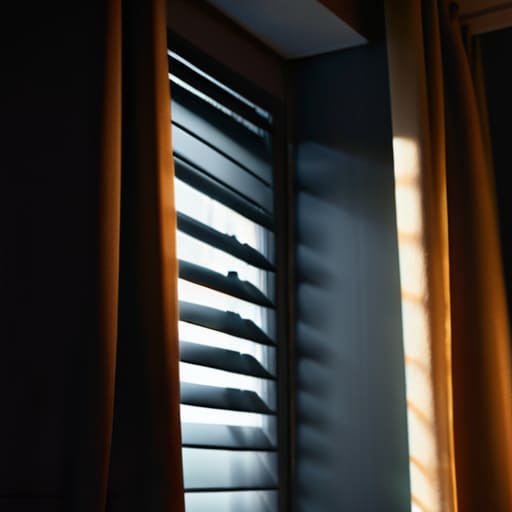
Before we talk about curtains, we need to talk about the physics of your bedroom. Most people think they’ve solved the problem because they bought a pair of “blackout” blinds from a big-box retailer, but they haven’t actually addressed the issue of preventing light leakage around windows. I see it constantly: a person complaining of fragmented sleep, only to find that a thin sliver of streetlamp glow is slicing right through the gap between the blind and the frame. It doesn’t matter how dark the fabric is if the light is simply finding a detour around the edges.
If you want a real solution, you have to look at blackout fabric density and how it interacts with your specific window setup. You aren’t just looking for a pretty pattern; you’re looking for a physical barrier. This often means layering. A heavy, high-density curtain paired with a fitted blind can create a much more effective seal than a single expensive piece of cloth. If you can see even a tiny bit of light hitting the wall next to your window, your brain is likely registering it, even if you think you’re “used to it.”
Key Things to Know
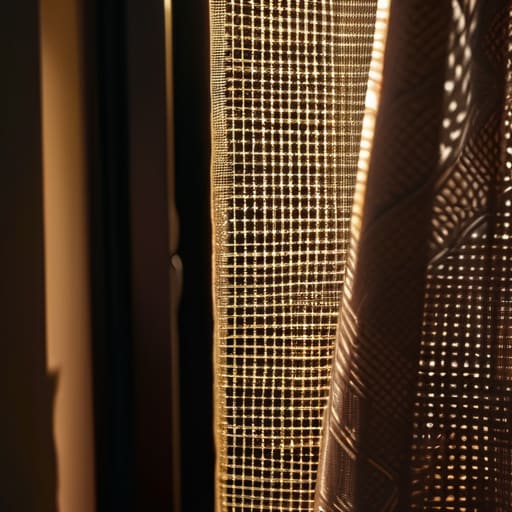
First, let’s get one thing straight: a thin, decorative curtain is not a solution; it is a suggestion. If you are serious about preventing light leakage around windows, you need to look at the actual physics of the material. I often see patients who have spent hundreds on “sleep-enhancing” gadgets while their bedroom remains essentially a sunroom because they chose aesthetics over substance. You need to check the blackout fabric density; if you can see the outline of the window through the cloth when the sun is out, it isn’t doing its job.
Second, don’t overlook the “small” culprits. You can have the heaviest drapes in the world, but if you have a glowing LED from a humidifier or a sliver of light bleeding in from the side of the curtain rod, your brain is still receiving those signals. I’m a big proponent of side track light blockers or even simple command hooks to pull the fabric flush against the wall. It sounds fiddly, but when we are talking about the delicate shift from wakefulness to deep sleep, total darkness is a non-negotiable requirement, not a luxury.
Practical Tips and Steps
First, let’s talk about the hardware. If you are looking at window treatment solutions for sleep, don’t just grab the cheapest polyester curtains you can find on a discount site. You need to look specifically at blackout fabric density; if you can see the light filtering through the weave when you hold it up to a lamp, it isn’t going to do much for you at 5:00 AM. I often tell my patients that a heavy, high-quality curtain is a foundational part of a proper sleep hygiene bedroom setup, but even the best fabric fails if you haven’t addressed the gaps.
This is where most people stumble. You can have the most expensive drapes in the world, but if you aren’t preventing light leakage around windows via the sides and top, that sliver of streetlamp glare will still find you. I recommend using side track light blockers or even simple adhesive Velcro strips to pin the edges of the curtain directly to the wall. It feels a bit DIY, I know, but closing those gaps is more effective than any expensive wearable telling you that your sleep quality was poor because of a stray photon.
Common Mistakes to Avoid
The biggest mistake I see—and it’s one that often drives my patients to frustration—is treating light management as a “set it and forget it” task. People will spend a fortune on expensive blackout curtains, only to realize they’ve left a massive gap at the top or sides. If you haven’t addressed preventing light leakage around windows, you’ve essentially just bought very expensive, decorative fabric. A curtain that doesn’t touch the floor or the walls is just a filter; it won’t stop those early morning rays from hitting your retinas and triggering your cortisol spike.
Another pitfall is the “all or nothing” approach to your sleep hygiene bedroom setup. I see people who have mastered the darkness of their windows, yet they leave a tiny, piercing blue LED on a humidifier or a charging dock right next to their pillow. It seems insignificant, but in a truly dark room, that single point of light acts like a lighthouse. Don’t overlook the small things. If you’re obsessing over blackout fabric density but ignoring the glowing standby light on your television, you’re fighting a losing battle against your own biology.
Final Thoughts
At the end of the day, I want you to stop treating your bedroom like a secondary space that you just happen to inhabit at night. If you’ve spent the last few weeks obsessing over your wearable’s sleep score only to find it’s still tanking, it’s time to look at the physical environment. You can buy the most expensive mattress on the market, but if you haven’t mastered preventing light leakage around windows, you are essentially fighting a losing battle against your own biology.
Don’t feel like you need to overhaul your entire life overnight. Start by evaluating your current window treatment solutions for sleep—check the gaps, feel the density of your curtains, and see if a simple side track light blocker does the trick. Most of the time, the fix is much more mechanical and much less “magical” than the wellness influencers claim. Get the light under control, stabilize your wake time, and keep your room cool. If you do those things and you’re still staring at the ceiling at 3:00 AM, then we need to have a much more serious conversation about what is actually happening in your brain.
The light-blocking essentials I actually recommend
- Stop relying on thin curtains; if you can see the streetlights through the fabric during the day, they aren’t doing a thing for your melatonin at night. Invest in proper blackout linings or, at the very least, a heavy thermal curtain that actually hugs the window frame.
- Check your “electronic glow” situation. That tiny, aggressive blue LED on your humidifier or your TV standby light might seem insignificant, but in a pitch-black room, it’s a beacon. Either tape them over with electrical tape or move them out of your line of sight entirely.
- If you’re renting and can’t drill holes for heavy-duty tracks, don’t bother with those cheap suction-cup blinds that fall off every time the temperature shifts. Use tension rods or even temporary velcro blackout shades; they actually work without damaging the walls.
- Mind the gaps. Light is like water; it will find the smallest crack. If you have a gap between the curtain and the wall, you’re essentially sleeping in a room with a permanent sunrise. Use “wrap-around” curtain rods that curve back to the wall to seal those edges.
- Don’t dismiss the eye mask, but buy a decent one. Most of the cheap, flimsy ones just press against your eyelids and feel uncomfortable. Get one with contoured eye cups that allow you to blink—it’s much more effective at creating a total blackout without making you feel claustrophobic.
The Essentials
Don’t just buy expensive blackout curtains and hope for the best; if you can see a sliver of light around the edges, your brain is still registering it, so focus on sealing the gaps.
Light hygiene is about more than just your bedroom; if you’re blasting yourself with blue light right up until your head hits the pillow, no amount of heavy drapes will fix the physiological mess you’ve made.
Stop obsessing over your wearable’s “light exposure” data; focus instead on the physical reality of your environment—keep it dark, keep it cool, and keep it consistent.
Frequently Asked Questions
If I can't afford heavy blackout curtains, will a simple eye mask actually do the same job for my circadian rhythm?
If you can’t swing the cost of heavy curtains, an eye mask is a perfectly valid physiological tool, but it isn’t a direct substitute for a dark room. An eye mask handles the light hitting your eyelids—which is what actually signals your brain to stop producing melatonin—but it doesn’t fix a room that’s too bright or too warm. It’s a great “hack,” provided it’s comfortable enough that you don’t rip it off mid-sleep.
Does the blue light from my phone or the standby light on my TV actually matter if my room is otherwise dark?
It’s a valid question, and no, your phone isn’t the only culprit. While that blue light from your screen is a well-known disruptor of melatonin, those tiny, piercing standby LEDs on your TV or air purifier can be just as insidious. They don’t need to be bright to be problematic; even a pinprick of light can penetrate your eyelids and signal to your brain that it’s not quite time for deep, restorative sleep. Cover them up.
I’ve tried blackout blinds, but light still leaks in around the edges—is there a way to fix that without a full renovation?
The “halo effect” around your blinds is a classic problem, and honestly, it’s one of those small light leaks that can keep your cortisol higher than it needs to be. You don’t need a renovation; you just need to close the gaps. Try adhesive Velcro strips to seal the edges of the blind against the wall, or install a simple wrap-around curtain rod. If light can leak in, your brain can see it. Fix the perimeter first.