I was sitting in a consultation room last Tuesday, listening to a woman describe her “nightmare” sleep, only for her to reveal she’d spent three hundred pounds on a new set of Egyptian cotton sheets because she thought they were the gold standard. She was convinced that a higher number meant better rest, but she was actually waking up sweating and restless. This is exactly how thread count misleads buyers into thinking they are purchasing luxury when they are actually just buying trapped heat. In my seventeen years of looking at sleep data, I’ve seen that the most expensive bedding often creates the worst microclimate for your skin, turning your bed into a steamer rather than a sanctuary.
I’m not here to sell you a lifestyle or a specific brand of high-end linen. My job is to strip away the marketing fluff and tell you what actually matters for your physiology. In this post, I’m going to show you how to spot the gimmicks used by retailers and explain what you should actually be looking for to keep your core temperature stable. We are going to separate the genuine textile quality from the numbers designed to pad a profit margin.
Understanding How Thread Count Misleads Buyers
The problem is that we’ve been conditioned to treat thread count like a score in a game—the higher the number, the better the product. In reality, the industry uses this number to mask some fairly shoddy workmanship. To get a massive thread count, manufacturers often use short staple cotton, which involves twisting many tiny, weaker fibers together to pack them tightly into the weave. It looks impressive on a label, but it’s a recipe for disaster; those tiny fibers fray and pill much faster, meaning your bed sheet material durability takes a massive hit after just a few washes.
If you want to actually judge quality, you have to look past the math and toward understanding textile manufacturing basics. A high-quality sheet isn’t defined by how many threads are crammed into a square inch, but by the length and integrity of those threads. For example, a 300-thread-count sheet made from long-staple cotton will feel significantly more luxurious and breathe much better than a 1,000-thread-count sheet made from cheap, multi-ply scraps. It’s about the substance of the fiber, not the density of the count.
Key Things to Know
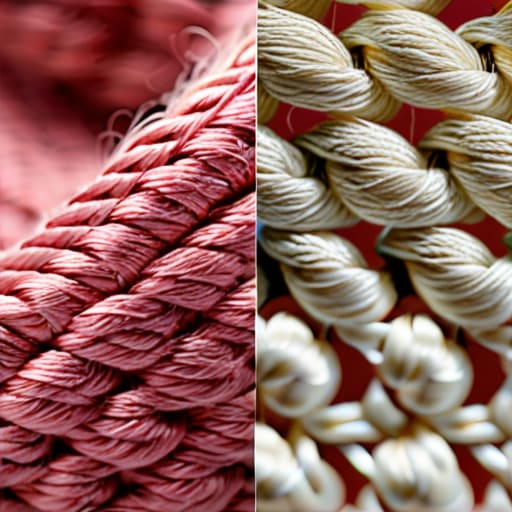
If you want to stop being tricked by numbers on a label, you have to look at what the fabric is actually made of. The most important factor isn’t a number, but the distinction between long staple cotton vs short staple fibers. High-quality sheets use longer fibers that are spun into smoother, stronger yarns. Cheap, high-thread-count sheets often use short, scratchy fibers that have been crammed together to inflate the count; these tend to pill and fray much faster, making them poor investments for long-term bed sheet material durability.
You also need to decide on the weave, not just the density. This is where the choice between percale vs sateen weave becomes your real luxury bedding buying guide. Percale is a plain weave that feels crisp and cool—ideal if you’re one of those people who, like me, finds a warm bedroom a total sleep killer. Sateen is denser and smoother, but it can trap heat. If you focus on the construction and fiber length rather than a marketing number, you’ll actually end up with bedding that helps you sleep, rather than just looking good in a catalogue.
Practical Tips and Steps
When you are standing in a shop or scrolling through a luxury bedding guide, stop looking at the numbers and start looking at the label. If you want to avoid the marketing trap, your first priority should be identifying the fiber itself. I always tell my patients that a high number means nothing if the base material is inferior. Look for long staple cotton vs short staple cotton; the longer fibers create a smoother, more durable surface that won’t pill after three washes. If the label just says “cotton” without specifying the type, it’s usually a sign that they are using cheaper, shorter fibers to inflate that thread count number.
The second thing to consider is the weave, as this dictates how your body will actually regulate temperature overnight. If you are someone who tends to wake up feeling overheated—which, as I’ve noted, is a primary driver of poor sleep—you should prioritize a percale vs sateen weave assessment. Percale is a tighter, more breathable weave that feels crisp and cool, whereas sateen is denser and can trap heat. For most of my patients, a breathable percale is far more effective for sleep hygiene than a heavy, high-thread-count sateen that feels luxurious but leaves them sweating by 3:00 AM.
Common Mistakes to Avoid
The biggest mistake I see is people treating a high number on a box like a guarantee of comfort. They see “1000 thread count” and assume they’ve found the holy grail of sleep, when in reality, they’ve likely just bought a heavy, suffocating layer of tightly twisted, low-quality fibers. When manufacturers want to inflate those numbers, they often resort to using short staple cotton, which results in a scratchy, less durable fabric that pilling after only a few washes. If you’re chasing a number rather than looking at the actual fiber length, you’re essentially paying a premium for a headache.
Another pitfall is ignoring the weave entirely. People often get caught in a cycle of buying whatever is “luxury” without realizing that a heavy sateen weave might be the very thing causing their midnight sweats. If you struggle with temperature regulation, you need to stop chasing the sheen of a sateen finish and start looking at the breathability of a percale vs sateen weave comparison. One is crisp and cooling; the other is dense and heat-trapping. Don’t let a marketing department dictate your thermal comfort.
Final Thoughts
At the end of the day, I want you to stop looking at a single number on a packaging label and start looking at the actual construction of what you’re putting against your skin. We spend so much time worrying about the “perfect” sleep environment, yet we let marketing jargon dictate our choices. If you want to move past the hype, focus on bedding fabric quality indicators that actually matter, like the weave and the fiber itself.
I often see patients who are obsessed with every micro-detail of their sleep hygiene, yet they’re sleeping on synthetic blends that trap heat and disrupt their natural temperature regulation. Choosing between a crisp percale vs sateen weave isn’t just about aesthetics; it’s about how your body manages heat throughout the night. Don’t get distracted by the pursuit of an impossibly high thread count. Instead, look for long staple cotton—it’s more durable, much smoother, and won’t pill after three washes. Sleep is too important to leave to the whims of a clever marketing department.
How to Spot the Marketing Gimmicks
- Ignore the high numbers. If you see a thread count of 1,000 or 1,200, don’t assume it’s luxury; it’s almost certainly a sign that the manufacturer has used thinner, weaker threads to inflate the count, which actually makes the fabric less durable and less breathable.
- Prioritize fibre quality over quantity. A 300-thread count sheet made of long-staple Egyptian or Pima cotton will feel significantly better and last much longer than a 600-thread count sheet made from short, scratchy, low-grade cotton.
- Look for “single-ply” rather than “multi-ply.” Some brands cheat the system by twisting several low-quality threads together to reach a high number; these sheets feel heavy and stiff, and they tend to trap heat—the last thing you want if you’re trying to regulate your body temperature for sleep.
- Check the weave, not just the count. A percale weave offers a crisp, cool feel that is excellent for those of us who tend to overheat at night, whereas a sateen weave is smoother and heavier; both can be high quality, regardless of what the thread count says.
- Use your hands, not the label. When you’re in the shop, feel the weight and the texture. If a sheet feels unnaturally heavy or has a slightly “waxy” or overly synthetic slip to it, it’s likely a marketing trap designed to look expensive without offering the breathability of true high-quality cotton.
The Bottom Line on Your Bedding
Stop chasing high numbers; a massive thread count is often just a marketing trick to sell you denser, less breathable fabric that will only make you overheat at night.
Prioritize material over metrics by looking for long-staple natural fibres like cotton or linen, which actually manage temperature and moisture better than a high-count synthetic blend.
Invest in how the fabric feels and breathes rather than what the label claims, because your sleep quality depends on thermal regulation, not a marketing gimmick.
Frequently Asked Questions
If thread count isn't the gold standard, what specific fabric qualities should I actually look for to help regulate my body temperature at night?
Stop looking at numbers and start looking at the weave and the fiber. If you’re overheating, you want breathability, not density. Look for long-staple cotton like percale—it’s a tighter, crisp weave that lets air circulate. If you lean towards luxury, linen is the gold standard for moisture management, though it can be temperamental. Avoid heavy synthetics or “microfibers” that trap heat; they might feel soft, but they’re essentially plastic bags for your skin.
Is there a certain range of thread count where the fabric actually becomes too dense and stops being breathable?
Yes, absolutely. Once you push past the 400 or 500 range, you often stop getting better quality and start getting more problems. To hit those high numbers, manufacturers frequently use thinner, weaker threads twisted tightly together, which creates a dense, plastic-like weave. For someone like me, who spends her life looking at how body temperature affects sleep architecture, this is a nightmare. It traps heat, prevents airflow, and turns your bed into an oven.
Does the material type, like linen or bamboo, matter more than the thread count when it comes to preventing night sweats?
It matters immensely. In my clinic, I see far too many people struggling with night sweats because they’ve prioritised a high thread count over breathability. A high thread count often means a tighter, denser weave, which effectively traps heat against your body like a thermal layer. If you’re prone to waking up damp, swap those dense cottons for linen or bamboo. They manage moisture and airflow much better, regardless of what the label says.