
I spent a decade in the dark, watching patients struggle through the night while tethered to a headbox, and if there is one thing I’ve learned, it’s that the wellness industry loves to sell you “solutions” that are little more than expensive placebo. You’ve likely seen the endless, glossy videos promising that a complete guide to breathing exercises will magically rewire your nervous system or cure your insomnia overnight. Most of it is just performative fluff designed to sell you a subscription or a weighted blanket. I’ve seen people try every rhythmic pattern under the sun, only to find they are actually increasing their physiological arousal because they’re trying too hard to “force” a state of calm that isn’t coming.
I’m not here to give you a list of trendy, unproven rituals that look good on a social media feed. Instead, I want to give you the clinical reality of what actually moves the needle. This is a no-nonsense breakdown of which techniques have genuine physiological evidence behind them and which ones are just wasting your time. We are going to separate the science from the hype so you can stop chasing relaxation and start actually regulating your system.
Why Your Breathing Exercises Are Failing to Provide Real Stress Relief

The reason most people fail at this isn’t a lack of willpower; it’s a fundamental misunderstanding of the biology involved. I see it in the clinic all the time: patients trying to force a state of calm while their bodies are still stuck in a high-arousal loop. If you are sitting there, jaw clenched and shoulders up to your ears, trying to perform a complex breathing pattern, you aren’t actually signaling safety to your nervous system. You are just performing a task. Without addressing the physical tension first, many of these stress relief breathing methods become nothing more than another item on your “to-do” list that you’re failing at.
Furthermore, people often mistake shallow, chest-heavy breathing for “controlled” breathing. If you aren’t engaging the diaphragm, you aren’t actually leveraging the diaphragmatic breathing benefits that we rely on to stimulate the vagus nerve. You’re just moving air in the upper lobes of your lungs, which can actually increase your sense of panic. To see a shift, you have to move away from the intellectual effort of “doing” an exercise and move toward the physiological reality of lowering the mechanical tension in your torso.
The Complete Guide to Breathing Exercises That Actually Impact Your Biology
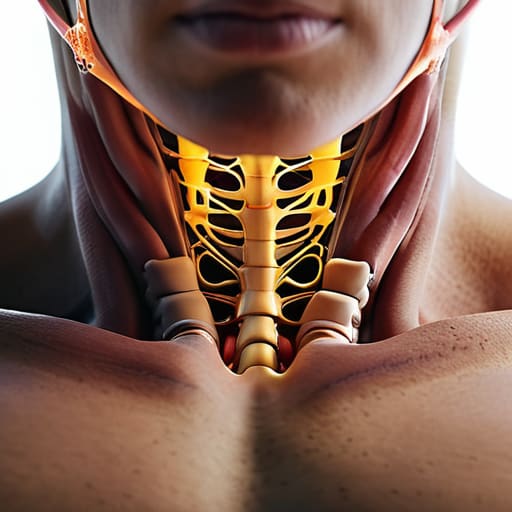
If you want to move the needle, you have to stop treating breathwork like a spiritual ritual and start treating it like a biological lever. We aren’t looking for “zen”; we are looking to manipulate the autonomic nervous system. The most efficient way to do this is by targeting the vagus nerve through specific mechanics. I often tell my patients that if you aren’t engaging the diaphragm, you’re essentially just performing shallow chest panting that can actually increase your cortisol levels. Real diaphragmatic breathing benefits come from the physical expansion of the lower lungs, which sends a mechanical signal to your brain that the immediate threat has passed.
For those of you who need a practical tool when the racing thoughts start, I recommend the physiological sigh technique. It’s a specific pattern—a double inhale followed by a long, slow exhale—that is arguably the fastest way to offload carbon dioxide and reset your system. If you prefer something more structured to steady your heart rate, box breathing for anxiety is a clinical staple for a reason: it provides a predictable rhythm that forces the brain out of a sympathetic loop. These aren’t just “calming” tricks; they are targeted interventions for your biology.
Stop Chasing Placebo Effects With Ineffective Mindfulness and Breathwork
The problem with most “calming” apps is that they treat breathing like a spiritual journey rather than a biological lever. I see it constantly in clinic: patients who have spent months performing gentle, airy mindfulness and breathwork, hoping to feel a sense of peace, only to find their physiological arousal levels haven’t budged an inch. If you are treating a high-arousal state with nothing more than “thinking about your breath,” you aren’t actually changing your chemistry; you’re just sitting there, stressed, while focusing on your breathing.
To move the needle, you have to stop treating breathwork as a meditation and start treating it as a mechanical intervention. Most people are stuck in a shallow, upper-chest pattern that keeps the sympathetic nervous system on a hair-trigger. If you want actual results, you need to pivot toward specific stress relief breathing methods that target the vagus nerve directly. This isn’t about “finding your center”; it’s about using the physiological sigh technique—that specific double-inhale followed by a long, slow exhale—to manually offload carbon dioxide and signal to your brain that the perceived threat has passed. Anything less is just expensive placebo.
How the Physiological Sigh Technique Resets Your Actual Nervous System
The reason the physiological sigh technique works isn’t because it’s “calming” in a vague, spiritual sense; it’s because it exploits a specific mechanical loophole in your respiratory system. When you’re stressed, the tiny air sacs in your lungs—the alveoli—actually collapse, making gas exchange incredibly inefficient. This creates a buildup of carbon dioxide in your bloodstream, which is the primary signal your brain uses to trigger that frantic, “fight or flight” feeling. By performing a double inhale—a deep breath followed by a short, sharp sip of air—you physically reinflate those sacs.
This isn’t just another one of those mindfulness and breathwork trends designed to make you feel zen; it is a direct, biological override. That second inhale pops the alveoli open, allowing for a much more efficient exhale that offloads a massive amount of CO2 all at once. When you do this, you aren’t just “relaxing”; you are chemically signaling your autonomic nervous system to downshift from sympathetic arousal to parasympathetic recovery. It is perhaps the fastest, most evidence-based way to hack your biology when you feel your heart rate starting to climb.
Using Box Breathing for Anxiety Instead of Just Sitting Still
The problem with most people’s approach to anxiety is that they think “calming down” is a passive act. They sit there, staring at a wall, trying to force their brain to stop racing, which usually just results in more frustration. If you’re just sitting still and waiting for the panic to pass, you aren’t actually doing anything to change your biology. You need a mechanical intervention.
This is where box breathing for anxiety becomes a tool rather than just another vague suggestion. By using a structured 4-4-4-4 count—inhale, hold, exhale, hold—you are essentially hijacking your autonomic nervous system. It isn’t about “finding your zen”; it’s about using a rhythmic, predictable pattern to signal to your brain that you are not, in fact, being hunted by a predator.
Unlike some of the more nebulous mindfulness and breathwork trends that feel like they require a mountain retreat to work, box breathing is a physiological lever. It forces a level of control over your respiratory rate that prevents the shallow, upper-chest gasping that often fuels a panic attack. It is a deliberate, tactical way to stabilize your system when your thoughts are spinning out of control.
Measuring Real Diaphragmatic Breathing Benefits Versus Simple Lung Capacity
In my years in the clinic, I’ve seen patients who are obsessed with improving lung capacity through sheer physical exertion, thinking that if they can just take a bigger breath, they’ll finally feel calm. They treat their lungs like bellows, pushing for volume. But there is a fundamental difference between being able to hold a large volume of air and actually utilizing the diaphragm to signal safety to your brain. You can have the lung capacity of an Olympic swimmer and still be stuck in a state of constant, shallow-chested sympathetic arousal.
When we talk about true diaphragmatic breathing benefits, we aren’t talking about how much air you can cram into your chest; we are talking about the mechanical stimulation of the vagus nerve. Most people mistake “deep breathing” for just taking a massive, gulping breath into their upper ribcage, which actually triggers more tension. Real, effective breathwork is about the rhythmic, low-frequency movement of the diaphragm that shifts your biology from “fight or flight” to “rest and digest.” If you aren’t feeling that subtle shift in your internal state, you’re likely just practicing a more strenuous version of the same bad habit.
Five ways to stop performing breathing exercises and start actually changing your biology
- Stop treating breathwork like a meditation ritual; if you are just sitting there trying to “feel calm,” you aren’t doing anything. To shift your autonomic nervous system, you need to focus on the mechanics of the exhale and the engagement of the diaphragm, not just the pleasant sensation of being still.
- Check your posture before you start, because you cannot physiologically achieve deep diaphragmatic breathing if you are slumped over a laptop. If your ribcage is compressed, you are just shallowly breathing into your upper chest, which actually signals more stress to your brain rather than less.
- Prioritise the exhale length over the inhale depth. Most people make the mistake of trying to take massive, gulping breaths of air, which can actually trigger hyperventilation and more anxiety; the real magic for down-regulating your system happens when the exhale is significantly longer than the inhale.
- Use your wake-up time as a diagnostic tool for your breathing habits. If you find yourself gasping or mouth-breathing the moment you wake up, your nocturnal breathing patterns are likely dysfunctional, and no amount of “calming” morning breathwork will fix the underlying physiological debt.
- Abandon the “sleep score” obsession when practicing these techniques. If you do a breathing session and your wearable tells you that you had “poor sleep,” don’t panic and try to “fix” your breathing the next night; your tracker is measuring movement and heart rate, not the actual quality of your respiratory regulation.
The Bottom Line
Stop treating breathwork like a mindfulness ritual; if you aren’t targeting the physiological mechanics of your nervous system, you’re just practicing being bored.
Real progress isn’t about how “calm” you feel in the moment, but whether you can actually shift your biological state from sympathetic arousal to parasympathetic recovery.
Distinguish between simple lung capacity and true diaphragmatic control—one is a fitness metric, the other is a clinical tool for regulating your stress response.
Frequently Asked Questions
If I'm doing these exercises correctly, why don't I see an immediate change in my sleep latency or my overnight respiratory patterns?
Because you’re trying to override years of physiological conditioning with a few minutes of conscious effort. Breathing exercises aren’t a light switch; they are more like physical therapy for your autonomic nervous system. You can’t expect a single session to rewrite your respiratory drive or instantly fix your sleep latency. We are training your brain to tolerate a different state of arousal. It takes repetition to move from “performing a technique” to “changing a baseline.”
How can I tell if my breathing issues are just a bad habit I can train away, or if there is an underlying physiological issue like sleep apnoea that requires a clinical study?
If you’re waking up gasping, choking, or feeling like you’ve run a marathon despite eight hours in bed, that isn’t a “bad habit”—that’s your physiology screaming for help. Habits are about shallow, chest-heavy breathing; sleep apnoea is a mechanical failure of your airway. If you have daytime sleepiness that caffeine can’t touch, stop trying to “breathe better” and get a clinical sleep study. You can’t mindfulness your way out of an obstructed airway.
My wearable tells me my "respiratory rate" is off during the night; should I be using these breathing techniques to try and fix that number?
Put the wearable in a drawer for a moment. Those “respiratory rate” readings are estimates based on movement and heart rate variability—they aren’t clinical measurements from a polysomnogram. If your number fluctuates, it’s often just a reflection of your body processing a meal, alcohol, or even a slight temperature change in the room. Don’t use breathing exercises to chase a digital score; use them to manage your daytime stress. Your tracker is a compass, not a medical monitor.