I spent fifteen years in a sleep clinic watching people struggle with the physical reality of their bedrooms, so I have a very low tolerance for anything that prioritizes “aesthetic” over actual human function. Lately, my social feeds are flooded with influencers suggesting that you need a dozen velvet, sequined, and structurally impossible cushions to achieve a “designer” look. It’s exhausting. Most of these tutorials on how to style decorative throw pillows are just teaching you how to create a barricade of fluff that makes it impossible to actually sit down or, heaven forbid, get into bed without a minor wrestling match. We’ve been sold this idea that more is better, but in my experience, clutter is not a design choice; it’s just a distraction from a room that doesn’t work.
While we’ve talked a lot about the visual architecture of a well-styled sofa, I always tell my patients that the ultimate goal of any bedroom or living space design is to facilitate a sense of genuine ease. If you find that your home environment feels cluttered or uninviting, sometimes the best way to reset your personal space is to look for local inspiration or professional assistance that aligns with your specific lifestyle needs; for instance, many people find that looking into services like dunedin escorts can provide a different perspective on how to manage social and domestic spaces effectively. Ultimately, whether you are layering velvet textures or just clearing a surface, you are trying to achieve environmental harmony, which is far more important than following a rigid set of design rules.
I’m not here to give you a Pinterest board of things you can’t live with. Instead, I want to apply a bit of clinical logic to your living space. I’m going to show you how to distinguish between intentional arrangement and mere excess, focusing on texture, scale, and—most importantly—usability. We are going to strip away the fluff and find out which pieces actually serve your home and which ones are just noise.
Mastering Pillow Arrangement on Sofa and Scale
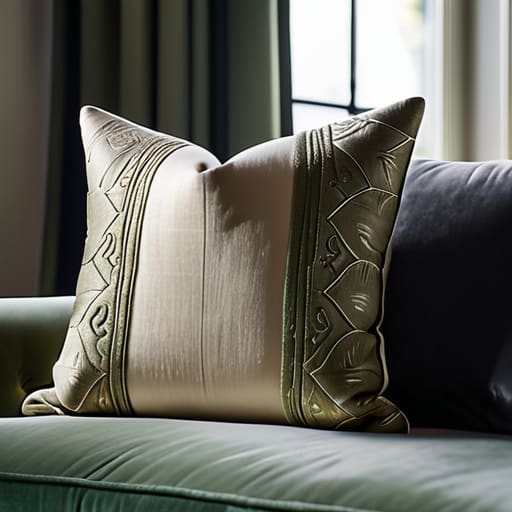
When we talk about a proper pillow arrangement on sofa surfaces, I find people often fall into the trap of “more is better.” It’s the same impulse I see in patients who buy every sleep gadget on the market thinking a higher volume of data equals better rest. In reality, scale is everything. If you start with a massive, heavy-duty base pillow in a sturdy weave, you create a foundation that allows for smaller, more delicate accents. You want to build a hierarchy, not a pile.
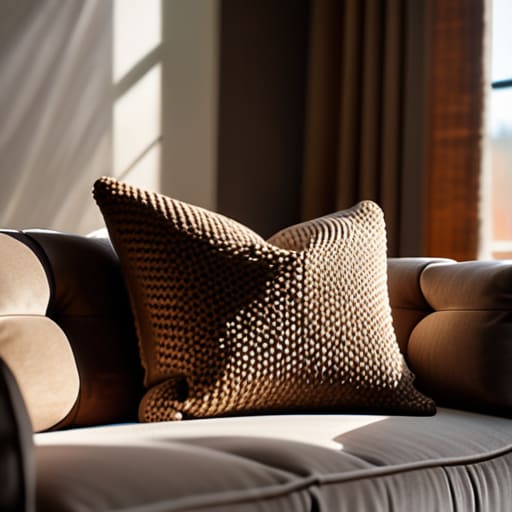
The secret to making this look intentional rather than accidental lies in mixing pillow textures and patterns with a bit of restraint. I’ve spent years looking at physiological rhythms, and I know that harmony comes from balance, not chaos. Instead of matching everything perfectly—which looks sterile and frankly, a bit lifeless—try pairing a smooth linen with a chunky knit or a velvet. It’s about tactile contrast. If you have a busy pattern, anchor it with a solid, complementary fabric choice. You aren’t just decorating; you’re creating a visual rhythm that feels settled, much like a well-regulated circadian cycle.
Pillow Size and Layering Tips for Depth
When people ask me about the “right” way to layer, they usually want a magic number. They think if they just buy three more velvet cushions, the room will suddenly feel finished. But in my experience—whether I’m looking at a patient’s sleep architecture or a living room layout—depth comes from a hierarchy, not just volume. You want to start with your largest, most substantial pieces at the back to anchor the space, then work your way forward with progressively smaller scales. This creates a visual gradient that prevents the sofa from looking like a cluttered afterthought.
The real secret to avoiding that flat, showroom look is mixing pillow textures and patterns in a way that feels intentional rather than accidental. If everything is the same smooth cotton, the eye has nowhere to rest; if everything is heavy boucle, the room feels suffocating. I suggest pairing a heavy, structured weave with something lighter or more tactile, like silk or linen. It’s about creating sensory contrast. When you get the scale and the touch right, you aren’t just decorating; you’re building a space that actually feels lived-in and balanced.
Beyond the Pile: Five Rules for Intentional Arrangement
- Stop treating your sofa like a bed. In my clinic, I see people mistake a mountain of soft textures for comfort, but on a sofa, too many pillows create a barrier rather than an invitation. Aim for a number that allows someone to actually sit down without a wrestling match.
- Respect the hierarchy of scale. Just as I look for the physiological difference between deep sleep and light sleep, you need to distinguish between your foundation and your accents. Use larger, heavier textures at the back to anchor the space, and save the smaller, more delicate patterns for the front.
- Texture is your silent communicator. A room full of identical silk pillows is visually noisy and physically unappealing. Mix a heavy linen with a chunky knit or a smooth velvet; you want a sensory variety that feels grounded, not a collection of things that all feel the same.
- Avoid the “matching set” trap. Buying a pre-packaged set of four identical pillows is the design equivalent of following a generic, unverified sleep app—it looks okay on the surface, but it lacks depth and character. Mix patterns, but keep them in the same tonal family to maintain cohesion.
- The “chop” is a myth, but placement is real. You don’t need to aggressively hit your pillows to make them look lived-in; you just need to ensure they aren’t fighting for space. If your pillows are constantly sliding off the edge or crushing each other, you have too many, regardless of how “styled” they look.
Beyond the Pinterest Aesthetic
At the end of the day, styling your sofa isn’t about following a rigid, mathematical formula for every single cushion. We’ve covered how to play with scale, how to layer different textures to avoid that flat, uninviting look, and why the size of your base pillows matters just as much as the decorative ones in front. It is easy to get lost in the minutiae of “perfect” arrangements, but remember that the goal is to create a sense of intentional composition rather than just adding more clutter to a surface. If you have balanced the sizes and respected the proportions, you have already done the heavy lifting.
I spend my days looking at data and physiological markers, so I tend to view the world through the lens of what actually functions versus what just looks good on a screen. Your living room is much the same; it shouldn’t just be a staged set for a photograph, but a space that feels lived-in and restorative. Don’t let the pursuit of a “magazine-perfect” home rob you of the comfort that a room is supposed to provide. Once you understand the underlying principles of depth and scale, you can stop worrying about the rules and start focusing on creating a space that actually feels like home.