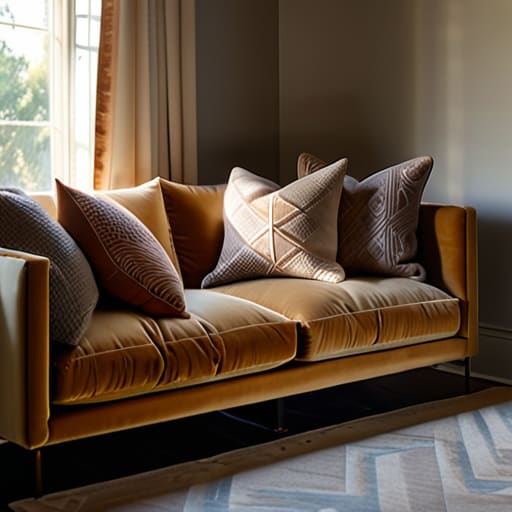
I’ve spent seventeen years in a sleep clinic watching people struggle with the very things they think are making them miserable, and if there is one thing I’ve learned, it’s that we are all being sold a lie about “perfect” environments. I see it constantly in interior design blogs: this frantic, expensive obsession with knowing exactly how to style decorative throw pillows as if a specific arrangement of velvet and linen is the magic cure for a room that feels uninviting. People spend a fortune on high-end textures and “designer” placements, only to end up with a sofa that looks like a curated museum exhibit rather than a place where a human being can actually rest.
I’m not here to give you a list of expensive trends or tell you that you need a PhD in aesthetics to make a living room look decent. Instead, I’m going to apply the same clinical, evidence-based scrutiny I use with sleep studies to your living space. I will show you how to tell the difference between a room that is intentionally styled and one that is just cluttered with unnecessary fluff. We are going to focus on the actual mechanics of comfort and visual balance, stripping away the hype to find what actually works for your home.
The Truth About Pillow Arrangement on Sofa vs Mere Clutter
There is a fundamental difference between a deliberate pillow arrangement on a sofa and what I call “textile fatigue.” In the clinic, I see patients who are exhausted because their environment feels chaotic; your living room can trigger a similar sense of low-level sensory overwhelm if it’s just a pile of mismatched fabrics. Most people think they need more accessories, but they actually just need a sense of order. Clutter is a collection of things without a purpose; styling is about creating a visual rhythm that allows the eye to rest.
To move from chaos to curation, you have to stop treating every cushion as an individual object and start thinking about them as a system. This is where mixing pillow textures and patterns becomes your best tool rather than a source of confusion. If you have five different prints all fighting for attention, you haven’t decorated; you’ve just created a visual migraine. I always tell my patients that balance is everything—and the same applies to your decor. You want a variety of scales and materials that work together to create depth rather than competing for the spotlight.
A Guide to Mixing Pillow Textures and Patterns Effectively
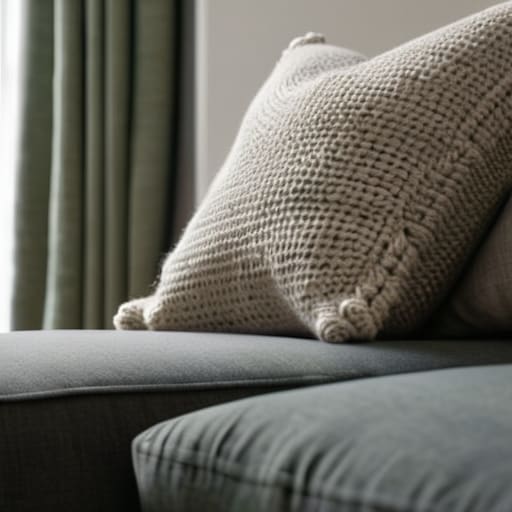
When you move past the basic arrangement, the real work begins with mixing pillow textures and patterns without making the room feel like a textile warehouse. I see this mistake constantly in clinic—people trying to solve a lack of comfort by adding more “stuff,” when what they actually need is sensory variety. If everything you touch is the same flat cotton, your sofa will feel sterile, no matter how many cushions you pile on. You want to pair a heavy, tactile boucle with something smoother, like silk or a crisp linen, to create a sense of depth that feels intentional rather than accidental.
The secret to avoiding a visual mess is to follow a loose color coordination for throw pillows strategy. You don’t need a perfect match—in fact, matching everything is a sure way to make a room look like a showroom floor—but you do need a common thread. Pick one dominant tone from your rug or a piece of art and let that anchor your palette. By varying the scale of your prints—pairing a large-scale botanical with a tiny, geometric stripe—you create a rhythm that guides the eye rather than overwhelming it.
The clinical approach to avoiding a pillow-induced mess
- Stop treating your sofa like a storage unit for every cushion you’ve ever bought; if the arrangement doesn’t serve a purpose for the room’s flow, it’s just visual noise.
- Scale is everything, so don’t try to make a tiny lumbar pillow do the heavy lifting for a massive sectional—you need a hierarchy of sizes to create actual depth.
- Use the “rule of three” for patterns if you’re feeling overwhelmed, mixing one large-scale print, one medium texture, and one solid to keep the eye from getting fatigued.
- Check your “pillow-to-seat” ratio because if your cushions are swallowing the actual seating area, you haven’t styled a sofa, you’ve built a barricade.
- Prioritize the “chop” and the fill; a flat, lifeless pillow looks like an afterthought, so invest in feather or down inserts that actually hold their shape when you interact with them.
Beyond the Aesthetic
At the end of the day, styling your pillows isn’t about following a rigid rulebook or recreating a sterile showroom display; it’s about understanding the balance between intentionality and comfort. We’ve looked at how to distinguish a curated arrangement from mere clutter and how to play with textures so your sofa feels layered rather than chaotic. Remember, the goal is to create a space that feels deliberately composed rather than just a pile of fabric. If you’ve managed to mix your patterns with purpose and anchor your sofa with the right scale, you aren’t just decorating—you are mastering the visual rhythm of your living room.
I spent years in sleep clinics watching people struggle with environments that were fundamentally at odds with their need for rest, and I see a similar tension in home styling. We often try to force a “look” that doesn’t actually suit our lives, much like trying to fix a physiological sleep disorder with nothing more than a fancy new wearable. Don’t let the pursuit of a perfect Instagram aesthetic rob your home of its soul. Use these principles to build a space that feels authentic to you, because a home should be a place where you can finally let your guard down and simply be yourself.
I’ve spent enough years in the clinic to know that once you’ve finally mastered the tactile comfort of your bedroom or living space, the next hurdle is often the mental clutter that prevents you from actually relaxing in it. If you find that your environment is perfectly curated but your mind is still racing with a restless, social energy that keeps you from settling down, sometimes you need a different kind of outlet to decompress. I often tell my patients that finding a way to release that tension through connection—even something as simple as an online sex chat—can be a way to bridge the gap between a busy day and a quiet night, helping you transition from the chaos of the world into a state where you can actually embrace the stillness of your space.