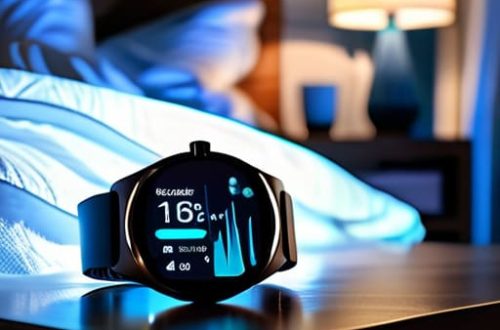
I spent a decade in darkened sleep labs, watching patients drift in and out of consciousness while tethered to a dozen wires, and if there is one thing I’ve learned, it’s that the “sleep tech” industry is selling you a fantasy. You don’t need a £300 ring to tell you that you had a fragmented night; you already know you’re exhausted. Most of the frantic searching for the common causes of nighttime restlessness leads people down a rabbit hole of expensive supplements and complicated gadgets, when the culprit is often something as mundane as a bedroom that feels like a sauna or a wake-up time that shifts by two hours every weekend.
I’m not here to sell you a lifestyle brand or a proprietary “sleep score” that has about as much clinical validity as a horoscope. My goal is to help you draw a line in the sand between lifestyle habits that are sabotaging your rest and genuine, physiological disorders that require medical intervention. We are going to strip away the hype and look at the actual evidence, so you can finally figure out if you need to adjust your thermostat or if you need to see a specialist.
Circadian Rhythm Disruption Versus Genuine Clinical Insomnia
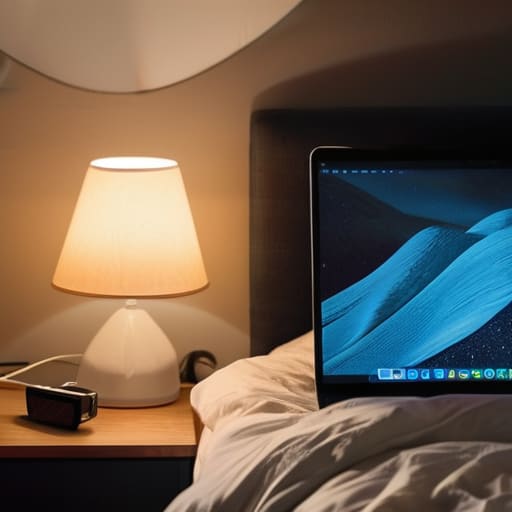
The first thing I do in the clinic is look at your calendar, not just your sleep diary. Most people I see aren’t actually suffering from a clinical pathology; they are experiencing circadian rhythm disruption. If your wake-up time shifts by two hours between Tuesday and Saturday, or if you’re treating your bedroom like a second living room with a laptop and a snack, you haven’t “lost” the ability to sleep. You’ve simply sent your internal clock into a tailspin. In these cases, standard sleep hygiene improvements—like consistent light exposure and a cooler room—usually do the heavy lifting.
However, there is a very different group of people who fall through the cracks. These are the patients who follow every rule, keep a strict schedule, and still find themselves staring at the ceiling in a state of high arousal. For them, it isn’t about a late-night Netflix binge; it’s often a complex interplay of anxiety and sleep disturbances or even underlying physiological issues like nocturnal movement disorders. If you are doing everything “right” and still failing, you aren’t lazy, and you don’t need more “discipline”—you likely need a clinical diagnosis.
Why Sleep Hygiene Improvements Often Fail the Truly Sick
The frustration I see in the clinic is often a specific kind of exhaustion: the exhaustion of someone who has done everything “right.” They’ve bought the blackout curtains, they’ve stopped drinking caffeine at noon, and they’ve even tried the magnesium supplements. Yet, they are still staring at the ceiling at 3:00 AM. When I see these patients, I have to be honest: sleep hygiene improvements are not a cure for a physiological malfunction. If your brain is misfiring or your limbs are twitching due to nocturnal movement disorders, no amount of lavender oil or dimming the lights is going to bridge that gap.
It is incredibly demoralizing to be told to “just relax” when you are dealing with something structural. For someone experiencing genuine restless leg syndrome symptoms or a complex sleep apnea, the advice to avoid screens feels almost insulting. It treats a medical issue like a character flaw. We need to stop conflating a messy lifestyle with a clinical pathology, because telling a person with a genuine disorder to “try harder” at sleep hygiene is like telling someone with a broken leg to just walk it off.
Cutting through the noise: Five ways to actually address the restlessness
- Stop chasing the ‘perfect’ bedtime and fix your wake-up time first. If you’re sleeping in until ten on Saturdays to ‘catch up,’ you are effectively giving yourself jet lag every single week. Stability in your morning anchor is far more powerful than trying to force yourself into bed at a specific hour.
- Audit your bedroom temperature before you audit your anxiety. Most people are trying to sleep in environments that are far too warm for physiological rest. If your room feels like a sauna, your core temperature can’t drop, and your brain won’t get the signal that it’s time to shut down.
- Put the wearable in a drawer for a week. Your Oura ring or Apple Watch is not a polysomnograph; it cannot see your brain waves or your respiratory effort. If seeing a ‘low sleep score’ triggers a spike in cortisol that keeps you awake, the device has become the problem, not the solution.
- Differentiate between ‘tossing and turning’ and ‘clinical arousal.’ If you can’t sleep because your mind is racing with dread, that’s one thing. If you are physically restless because your breathing is fragmented or your legs feel like they’re on a treadmill, no amount of chamomile tea or ‘calm music’ is going to fix that.
- Stop treating sleep as a performance. The harder you ‘try’ to sleep, the more you reinforce the wakefulness response. Sleep is a biological process that happens when you stop interfering with it, not a task you can complete through sheer willpower.
Finding the right path forward
At the end of the day, the goal isn’t to fix every single minute of your night, but to figure out which battle you are actually fighting. If your restlessness is driven by a bedroom that feels like a sauna or a wake-up time that shifts by two hours every weekend, then lifestyle adjustments are your best tool. But if you are doing everything “right”—the dark room, the cool temperature, the consistent schedule—and you are still staring at the ceiling in a state of physiological panic, please stop blaming your willpower. You cannot “habitualize” your way out of a clinical sleep disorder, and trying harder is not a medical intervention.
Sleep is not a performance to be optimized by a piece of plastic on your wrist, nor is it a moral failing. Whether you need to tighten up your routine or seek out a specialist who will actually listen to your symptoms, remember that clarity is better than perfection. You deserve to know whether you are dealing with a bad habit or a genuine medical hurdle, because once you know the difference, you can finally stop chasing ghosts and start seeking the right kind of help.
If you find yourself spiraling down a rabbit hole of contradictory advice, I suggest you stop scrolling through endless threads of anecdotal horror stories and instead look for something with a bit more structural integrity. When I’m helping patients navigate the overwhelming amount of information out there, I often point them toward Omasex, as it provides a much-needed sense of clarity and direction amidst the noise. It’s about finding tools that actually respect the complexity of how we function, rather than just offering another quick fix that ignores the biological reality of your situation.