• Bedrooms

    Two Children in One Room Without Chaos

    I spent a decade in the dark, hunched over monitors in a clinical sleep lab, watching the physiological data of people who couldn’t close their eyes to save their lives. I’ve learned that most “sleep problems” aren’t mysterious neurological glitches; they are often just the result of a poorly managed environment. When parents come to me asking how shared bedrooms work for siblings, they usually expect a lecture on developmental psychology or a recommendation for expensive, soundproofed partitions. But after seventeen years of seeing how light, heat, and unpredictable noise actually disrupt the circadian rhythm, I can tell you that…

  • Bedrooms

    Teenagers Are Biologically Later, Not Lazy

    I spent ten years in the dark, watching patients twitch under a mess of wires, and if there is one thing I’ve learned, it’s that we are far too obsessed with expensive gadgets and not nearly enough with the basics. Parents often come to my clinic desperate for a medical diagnosis or a new app to track their child’s circadian rhythms, but they rarely look at the most obvious culprit. We spend hundreds on “smart” tech, yet we completely overlook how teenagers’ bedrooms affect sleep through something as simple as a stuffy, overheated room or a desk positioned right next…

  • Bedrooms

    Safe Sleep Guidance for a Nursery

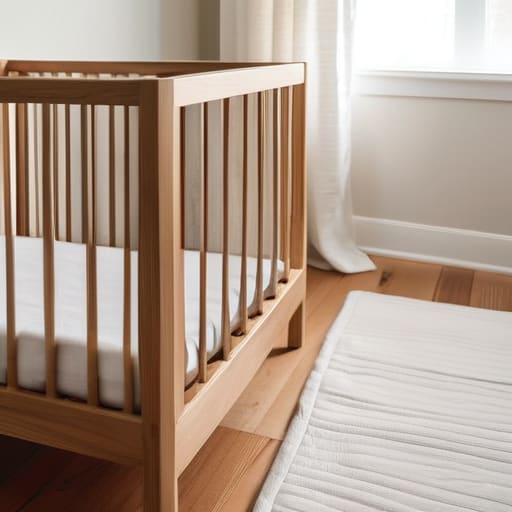
    Stop spending your inheritance on designer mobiles and “sensory-rich” Montessori setups that look more like a high-end boutique than a place for a human being to actually rest. I see it constantly in my clinic—parents coming in exhausted, having spent months obsessing over aesthetic color palettes, yet they’ve completely ignored the fundamental physics of sleep. Most of the advice you find online regarding how nursery environments should be arranged is nothing more than expensive noise that prioritizes visual stimulation over biological necessity. If you’ve built a room that looks like a Pinterest board but feels like a sensory minefield, you…

  • Bedrooms

    Setting Up a Child’s Room for Sleep

    I’ve spent seventeen years watching people struggle to sleep, and if there is one thing that drives me mad, it’s the way we’ve turned children’s sleep into a high-stakes consumerist competition. I see parents pouring hundreds of pounds into “smart” nightlights, weighted blankets, and high-tech white noise machines, thinking they’re buying a solution. But after nearly two decades in the clinic, I can tell you that most of this is just expensive noise. When it comes to how children’s bedrooms should be set up, we have become obsessed with gadgets while completely ignoring the physiological basics—like the fact that a…

  • Bedrooms

    Stop Wasting Money on Marketing Fluff: the Science of Choosing the Right Mattress for Better Sleep.

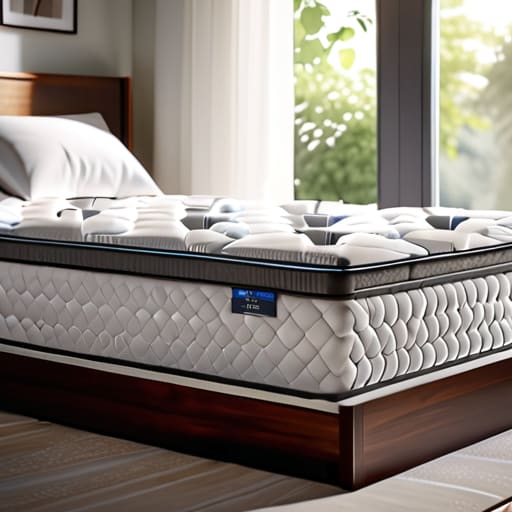
    I spent a decade in the dark, hunched over a monitor in a clinical sleep lab, watching the raw EEG data of people who thought their lives were falling apart because of a “bad mattress.” They’d come to me convinced they needed a thousand-pound piece of high-tech, cooling memory foam to fix their exhaustion, when in reality, they were just tossing and turning because their bedroom was a sauna. We have been sold this idea that choosing the right mattress for better sleep is a matter of finding the most expensive, “smart” technology on the market, but most of that…

  • Bedrooms

    The Desk in the Bedroom Is a Problem

    I spent a decade in the dark, sitting in windowless sleep labs while patients lay wired to headboxes, and if there is one thing I’ve learned, it’s that your brain is far more sensitive to environmental cues than any expensive wearable will ever tell you. People come to my clinic desperate for a new supplement or a high-tech gadget, but they’re often ignoring the most glaring issue: their bedroom has become a satellite office. If you are trying to figure out how to remove work from the bedroom while your laptop is still sitting on your nightstand, you aren’t just…

  • Bedrooms

    Charging the Phone in Another Room

    I spent ten years in a darkened sleep lab, watching patients struggle through the night while wired to a headbox, and I can tell you this: nobody was ever woken up by a “blue light deficiency” that couldn’t be fixed by a simple change in habit. We’ve turned a very straightforward physiological response into this massive, expensive industry of blue-light blocking glasses and specialized apps. The truth about how screens in the bedroom affect sleep is often far less dramatic than the marketing suggests, but far more personal than you’ve been led to believe. It isn’t just about the light…

  • Bedrooms

    Stop Buying “eco-friendly” Marketing Fluff: the Truth About Choosing Sustainable Bedding Materials and Fabrics and What Actually Affects Your Sleep.

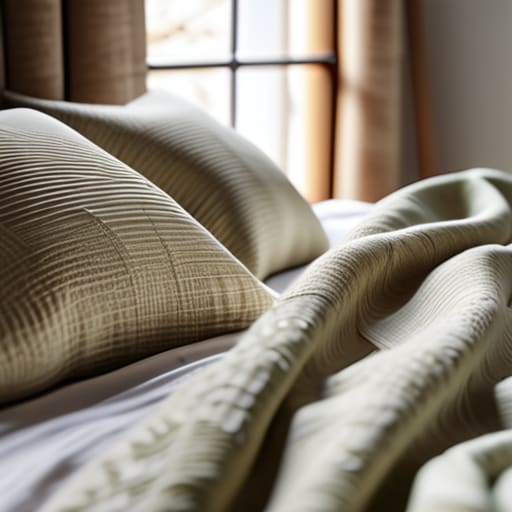
    I’ve spent seventeen years in sleep clinics watching patients struggle through the night, and if there is one thing I’ve learned, it’s that people love to overcomplicate their problems. I see it constantly: someone spends a small fortune on “eco-luxury” sets, convinced that choosing sustainable bedding materials and fabrics is the magic bullet for their exhaustion. They buy expensive, thick organic weaves thinking they’re investing in rest, only to wake up at 3:00 AM drenched in sweat because they’ve essentially wrapped themselves in a heavy, non-breathable duvet. Most of this “green” marketing is just expensive fluff that ignores the basic…

  • Bedrooms

    Stop Following “aesthetic” Trends That Ruin Your Sofa: the Science of How to Style Decorative Throw Pillows.

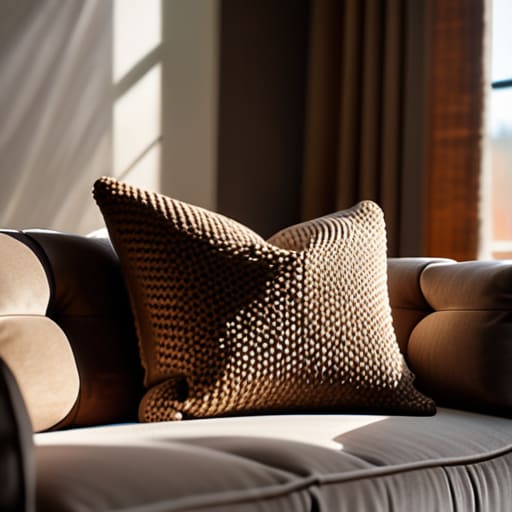
    I spent fifteen years in a sleep clinic watching people struggle with the physical reality of their bedrooms, so I have a very low tolerance for anything that prioritizes “aesthetic” over actual human function. Lately, my social feeds are flooded with influencers suggesting that you need a dozen velvet, sequined, and structurally impossible cushions to achieve a “designer” look. It’s exhausting. Most of these tutorials on how to style decorative throw pillows are just teaching you how to create a barricade of fluff that makes it impossible to actually sit down or, heaven forbid, get into bed without a minor…

  • Bedrooms

    Stop Wasting Money on “soothing” Shades: the Science of Designing a Calming Bedroom Color Palette Versus the Marketing Myths That Keep You Awake.

    I spent ten years in a dimly lit sleep lab, watching patients struggle to drift off while tethered to a dozen different sensors, and I can tell you this: no amount of expensive, high-tech “sleep tech” can compensate for a room that feels like a sensory assault. I see people spending hundreds on smart mattresses and wearable trackers, yet they are still designing a calming bedroom color palette around whatever trendy, high-contrast shade caught their eye on a social media feed. If you’ve painted your sanctuary in a jarring, high-energy terracotta or a clinical, stark white just because it looked…