I spent ten years in a darkened sleep lab, watching patients struggle through restless nights while tethered to a dozen sensors, and if there is one thing I’ve learned, it’s that people are being sold a lie. You don’t need a £500 “smart” cooling mattress or a high-tech wearable that tells you your sleep was “suboptimal” just because you woke up sweating. Most of the time, when people ask me how to cool a bedroom in summer, they aren’t suffering from a complex circadian rhythm disorder; they are simply trying to sleep in a room that has become a literal heat trap.
I’m not here to peddle expensive gadgets or wellness trends that have zero basis in physiology. Instead, I want to give you the clinical reality of thermoregulation—the actual science of how your body sheds heat to initiate sleep. I will show you how to manage your environment using evidence-based methods that actually work, from managing your bedroom’s thermal mass to understanding why your fan might actually be doing more harm than good. We’re going to strip away the hype and focus on what actually helps you drift off without waking up in a puddle of sweat.
Stop Blaming Insomnia Why Your Sweltering Bedroom Is the Real Culprit
In the clinic, I see it constantly: patients convinced they are suffering from chronic insomnia, only to realize their “disorder” is actually just a physiological reaction to a room that feels like a sauna. When your core body temperature can’t drop, your brain simply won’t flip the switch into deep sleep. You aren’t broken; you’re just overheating. We spend so much time worrying about sleep hygiene rituals—blue light filters, magnesium, weighted blankets—that we completely overlook the most basic biological requirement: thermal regulation.
If you are tossing and turning because the air is stagnant, you don’t need a new supplement; you need to focus on reducing heat gain in bedrooms. This often starts with the simplest mistakes, like leaving curtains wide open during a heatwave. Investing in the best window treatments for heat, such as blackout thermal blinds, can do more for your sleep quality than any expensive wearable ever could. Before we start discussing clinical interventions, we have to address the fact that you are essentially trying to sleep in an oven.
The Science of How to Cool a Bedroom in Summer Effectively
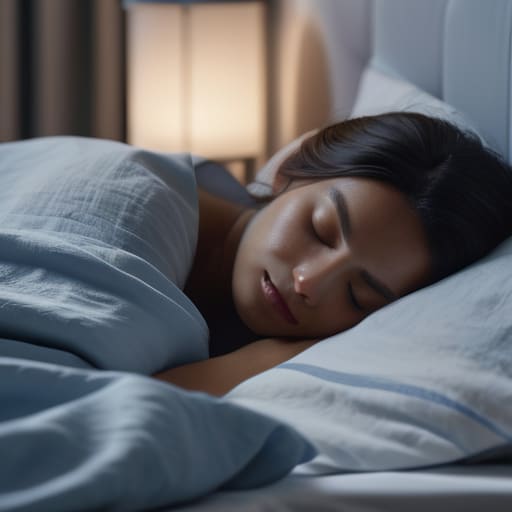
To understand why we’re fighting the thermostat, you have to understand what your body is actually doing when you drift off. For sleep to initiate, your core body temperature needs to drop by about one degree Celsius. If your bedroom is acting like a heat reservoir, your brain stays in a state of physiological alertness, essentially telling your nervous system that it’s not yet safe to power down. This isn’t just about discomfort; it’s about biological signaling.
When I’m looking at sleep data, I see the fallout of this struggle: fragmented sleep architecture and a lack of deep, restorative stages. To fix it, we need to focus on reducing heat gain in bedrooms before the sun even hits the glass. This means being strategic with your environment. Using heavy, light-colored curtains or specialized blinds acts as one of the best window treatments for heat, reflecting solar radiation back outside rather than letting it soak into your mattress.
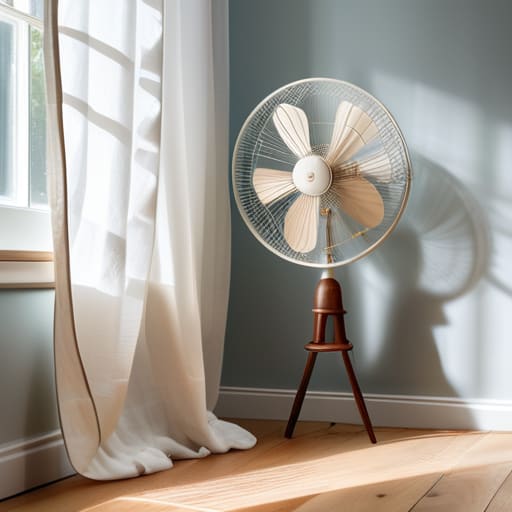
If you’re dealing with a space that feels stagnant, you also need to prioritize improving airflow in small rooms. It isn’t just about pointing a fan at your face; it’s about creating a cross-breeze that actually moves the warm air out of the room rather than just swirling it around.
Beyond the Fan Improving Airflow in Small Rooms for Real Relief
If you’re living in a small bedroom, a fan often feels less like a cooling device and more like a way to just move the same heavy, humid air around your face. In a cramped space, air tends to stagnate, creating a pocket of heat that no amount of oscillating plastic can fix. To actually see a difference, you have to stop thinking about just moving air and start thinking about improving airflow in small rooms by creating a path for it. If you have a window, don’t just crack it; if there is a breeze, place your fan facing outward in one window to suck the hot air out, while pulling cooler air in through another. It sounds counterintuitive, but it breaks that stagnant cycle.
We also need to talk about what’s happening at the glass. If your windows are bare, you’re essentially running a greenhouse while you try to sleep. Using the best window treatments for heat, like light-coloured blackout blinds or thermal curtains, can significantly reduce heat gain in bedrooms during the day. The goal is to prevent the room from “charging up” with thermal energy while you’re at work, so you aren’t fighting a losing battle the moment your head hits the pillow.
Reducing Heat Gain in Bedrooms Through Better Window Treatments
We often focus on how to get the heat out of a room, but we rarely think about how to stop it from getting in. If you leave your curtains wide open during a heatwave, you aren’t just letting in light; you’re essentially turning your bedroom into a solar collector. I see patients all summer who are convinced they have a sleep disorder because they wake up at 3:00 AM sweating, when in reality, their room has simply spent the afternoon soaking up thermal energy. One of the most effective ways of reducing heat gain in bedrooms is to treat your windows like a barrier rather than a view.
If you want to try lowering indoor temperature naturally, look toward blackout curtains or thermal blinds. They aren’t just for blocking out the morning sun; they act as a buffer against the radiant heat coming through the glass. However, there is a catch: if you seal the room too tightly with heavy fabrics, you might inadvertently trap the stale, warm air inside. The trick is to close the blinds during the peak heat of the day and only open them once the external temperature has actually dropped below your internal one.
Lowering Indoor Temperature Naturally Without Breaking Your Energy Budget
We often treat the thermostat like a blunt instrument, cranking the AC until the room feels like a meat locker, only to wake up feeling sluggish and dehydrated. It’s an expensive way to live, and frankly, it’s not always the most effective way to manage your body’s core temperature. If you want to focus on lowering indoor temperature naturally, you have to start thinking about thermal mass and heat absorption. This means keeping your curtains drawn during the peak solar hours of the afternoon—think of it as shielding your room from a heat lamp—and only opening the windows once the external air actually drops below the temperature inside.
It isn’t just about the air; it’s about the surfaces. I often see patients who are frustrated by “night sweats” that are actually just radiant heat coming off a heavy, synthetic duvet. Switching to breathable, natural fibres like linen or bamboo is one of those simple cooling sleep hacks that actually carries physiological weight. By reducing the heat trapped against your skin, you allow your body to perform its natural nocturnal cooling process much more efficiently, without needing to run a heavy-duty cooling unit all night long.
Evidence Based Cooling Sleep Hacks That Actually Work
When I’m sitting in clinic, I often see patients who have spent hundreds of pounds on “smart” cooling mattresses or high-tech gadgets, only to find they still wake up sweating. The truth is, most of these expensive gimmicks are just distractions. If you want to move the needle on your sleep quality, you need to focus on thermoregulation—the body’s ability to shed heat. One of the most effective, low-cost cooling sleep hacks is actually quite old-fashioned: the lukewarm shower. I know, a cold blast sounds more intuitive, but a freezing shower can actually trigger a rebound effect where your core temperature spikes to compensate. A lukewarm shower helps your blood vessels dilate, allowing heat to escape more efficiently once you hit the sheets.
Beyond your own skin, you have to look at your bedding. If you are sleeping under polyester or heavy cotton blends, you are essentially wrapping yourself in an insulator. I tell my patients to look for moisture-wicking fabrics or even linen, which is far superior for lowering indoor temperature naturally at the micro-climate level. It’s not about making the whole house feel like a refrigerator; it’s about ensuring that the immediate environment around your body isn’t trapping heat against you all night.
The Clinician’s Checklist: Practical Moves for a Cooler Night
- Prioritise your skin temperature over the room temperature. If you can’t get the air cooler, use a damp cloth on your pulse points—wrists and neck—before you lie down. It’s a physiological shortcut to help your core temperature drop, which is the biological signal your brain needs to initiate sleep.
- Stop the “fan-only” trap. A fan doesn’t actually cool the air; it just moves it around. If the room is a stagnant box of heat, you’re just blowing warm air at yourself. Position the fan near an open window to pull in fresher air, or better yet, create a cross-breeze by opening a door in another room.
- Manage your bedding like a professional. If you are sleeping under heavy cotton or synthetic blends, you are essentially wrapping yourself in an insulator. Switch to linen or even just a single thin sheet. In my experience, people often try to “power through” the heat with heavy duvets, which only spikes their nocturnal cortisol.
- Watch your evening “thermal load.” A hot bath right before bed sounds relaxing, but if the water is too hot, it can actually keep your core temperature elevated for too long. Aim for a lukewarm shower instead; it helps facilitate the natural heat dissipation required for deep sleep stages.
- Check your electronics. We often forget that a laptop charging on a bedside table or a large television left on standby is a small, constant radiator. In a small, poorly ventilated bedroom, that extra few degrees of ambient heat can be the difference between staying in light sleep and reaching restorative slow-wave sleep.
The Bottom Line for Better Summer Sleep
Stop treating your bedroom like a sauna; if you can’t regulate your body temperature because the room is too hot, no amount of “sleep hygiene” or breathing exercises will fix your night.
Focus on physics, not gadgets—managing airflow, blocking solar gain through windows, and keeping the room cool naturally will do more for your sleep architecture than any expensive wearable’s “cooling” advice.
Distinguish between a genuine sleep disorder and a thermal environment issue; most people don’t need more clinical intervention, they just need a bedroom that isn’t an oven.
Frequently Asked Questions
If my sleep tracker says I'm having "poor sleep quality" during a heatwave, is it actually measuring my sleep stages or just my movement?
Short answer? It’s measuring your movement. Your tracker isn’t a polysomnograph; it doesn’t have EEG sensors to see your brain waves. Instead, it uses accelerometers to guess your sleep stages based on how much you toss and turn. In a heatwave, you’re restless because you’re trying to find a cool patch of sheet. The device sees that movement, assumes your sleep is “fragmented,” and gives you a low score. It’s not a diagnosis; it’s just a motion sensor.
I've heard that taking a cold shower before bed helps, but could a sudden drop in temperature actually wake my body up instead of settling it?
You’ve hit on a very real physiological nuance. A freezing shower triggers a sympathetic nervous system response—that “fight or flight” spike—which is the last thing you want when trying to settle. Instead, aim for a lukewarm shower. The goal isn’t to chill your skin, but to trigger vasodilation; as you step out, your body heat escapes through your hands and feet, causing your core temperature to drop. That internal dip is the biological signal for sleep.
How do I know if my difficulty sleeping is just because of the heat, or if I've actually developed a clinical sleep disorder that needs more than just a better fan?
It’s the question I get most often in clinic. Here is the litmus test: if your sleep improves significantly when the temperature drops—or if you find you sleep fine in a well-ventilated, cool room—you don’t have a disorder; you have a thermal regulation problem. However, if you are sleeping in a literal icebox and still waking up gasping, restless, or exhausted, that is when we stop talking about fans and start talking about clinical investigations.