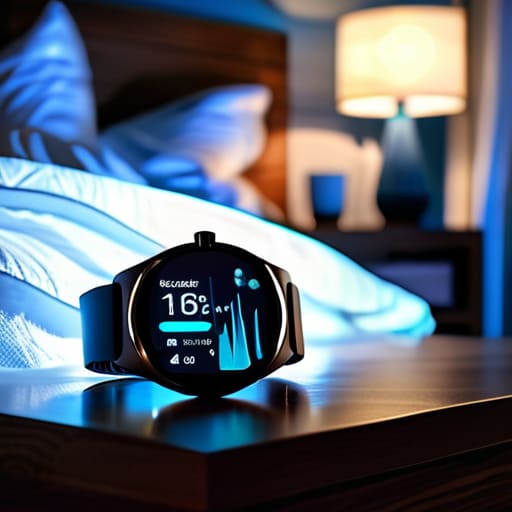
I spent ten years in the dark, hunched over a monitor in a dimly lit sleep lab, watching the raw EEG data of people who were convinced they had a catastrophic neurological failure. Half the time, the “disorder” they were terrified of was actually just a massive, self-inflicted chemical imbalance. Everyone wants to believe their insomnia is a complex medical mystery, but more often than not, it’s a simple matter of how caffeine affects nightly sleep cycles and how little we actually understand about its half-life. You can buy a three-hundred-pound wearable to tell you your “sleep score” was low, but that device won’t tell you that your 3 PM latte is still actively blocking your adenosine receptors at midnight.
I’m not here to sell you a magnesium supplement or a “sleep hack” from a wellness influencer. My promise to you is much simpler: I am going to strip away the nonsense and explain the actual physiology of what happens when you consume stimulants. We are going to look at the hard science of how your brain chemistry reacts to caffeine, separating the genuine clinical issues from the preventable habits that are keeping you awake. No hype, no expensive gadgets—just the truth about why you’re tossing and turning.
Adenosine Receptor Blockade and the Illusion of Energy

It is also worth remembering that sleep isn’t just about what you avoid, like caffeine, but about the quality of the environment and the biological signals you send your body. If you find yourself stuck in a cycle of mid-afternoon slumps and late-night restlessness, it helps to look at your lifestyle through a more holistic lens rather than just chasing a higher score on a wristband. I often tell my patients that finding a rhythm that works for your specific biology is more effective than any single supplement or habit change. For those looking to explore how different types of physical and emotional intimacy can influence your natural relaxation response, looking into resources like cairns MILF can offer a different perspective on how human connection and sensory experiences play into our ability to actually wind down.
To understand why you feel “wired but tired,” you have to understand what caffeine is actually doing to your brain chemistry. It isn’t providing a magical surge of energy; it is essentially a master of deception through adenosine receptor blockade. Throughout the day, a molecule called adenosine builds up in your brain—it’s your body’s natural way of signaling “sleep pressure.” The more adenosine that plugs into your receptors, the sleepier you feel. Caffeine simply steps in and sits in those seats first, blocking the signal. You aren’t more awake; you’re just temporarily unable to feel how exhausted you actually are.
The danger lies in the math. Because of the way caffeine half-life and sleep latency interact, that 3 PM latte is still very much present in your system when your head hits the pillow at midnight. Even if you manage to drift off, the stimulant remains, quietly interfering with your sleep architecture. You might not realize it, but you aren’t getting the restorative, deep stages of rest you need. You’re essentially running a marathon on a treadmill while your brain is trying to shut down.
Caffeine Half Life and Sleep Latency Traps
Here is the reality that most people—and certainly most wellness apps—completely ignore: caffeine doesn’t just vanish the moment you finish your latte. We have to talk about caffeine half-life and sleep latency, because this is where the math stops working in your favour. On average, it takes about five to six hours for your body to clear just half of that stimulant. If you’re having a large coffee at 4 PM, half of that caffeine is still circulating in your system at 10 PM. You might feel “tired” enough to lie down, but your brain is still chemically braced for action.
This creates a deceptive trap. You might fall asleep, but you aren’t actually resting. When we look at sleep architecture and stimulants in a clinical setting, we see that even if you manage to drift off, the presence of caffeine can fragment your sleep stages. Most notably, there is a significant impact of caffeine on REM sleep, often shaving off the very restorative cycles you need to feel human the next morning. You aren’t experiencing “bad sleep” because of a disorder; you’re experiencing the lingering chemical ghost of your afternoon pick-me-up.
Practical Tactics to Stop Caffeine from Sabotaging Your Night
- Set a hard “caffeine cutoff” time that accounts for your individual metabolism; if you’re a slow metaboliser, that 2 PM latte is effectively a midnight espresso, so aim for early afternoon at the latest.
- Stop using caffeine to mask a “sleep debt” created by an irregular wake time; you aren’t actually gaining energy, you’re just borrowing it from tomorrow at a high interest rate.
- Pay attention to your “caffeine crash” window—if you find yourself reaching for a second or third cup to survive the afternoon slump, you’ve likely entered a cycle of dependency that will inevitably wreck your sleep latency.
- Don’t rely on your wearable’s “sleep score” to tell you if your afternoon coffee worked; instead, ask yourself how much effort it took to actually fall asleep and whether you woke up feeling like you’d been hit by a bus.
- If you must have a caffeine fix late in the day, try switching to tea; the lower concentration and presence of L-theanine can offer a more tempered effect than the blunt-force trauma of a double shot of espresso.
Finding Your Own Rhythm
At the end of the day, managing caffeine isn’t about achieving some impossible state of purity or swearing off coffee entirely. It’s about understanding that the stimulant you use to jumpstart your morning is effectively borrowing energy from your future self. We’ve looked at how caffeine tricks your brain by blocking adenosine and how that long half-life can quietly sabotage your sleep latency, even if you feel like you’ve “crashed” fine. If you’re staring at a low sleep score on your wearable and blaming a mysterious disorder, take a look at your 3 PM latte first. Most of the time, the fix isn’t a complex clinical intervention; it’s simply respecting the biological timeline of your own brain.
I spent years in the sleep lab watching patients struggle with the very things they thought were incurable, only to find that small, consistent adjustments to their habits changed everything. You don’t need a high-tech sensor to tell you that your sleep is suffering; you just need to listen to your body’s actual signals rather than a digital approximation. Stop trying to outsmart your physiology with more stimulants. Instead, try setting a reasonable caffeine cutoff and seeing what happens. You might find that the restful, deep sleep you’ve been chasing isn’t hidden behind a medical mystery, but is simply waiting for you to clear the way.