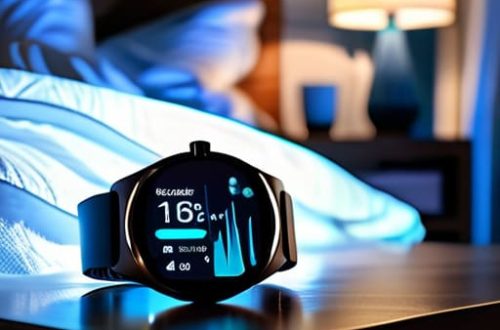
I’ve spent seventeen years watching people lie in darkened hospital rooms, wired to a headbox while I score their breathing and brainwaves, and if there is one thing I’ve learned, it’s that your expensive smartwatch is lying to you. These gadgets give you a “sleep score” that feels like gospel, but they can’t tell the difference between a night of restless tossing and a genuine physiological event. When patients come to my clinic desperate for answers, I don’t ask for their wearable’s data; I ask for a paper log. We need to move past the digital noise and understand the benefits of keeping a sleep diary that actually matters—the kind that tracks your real-world patterns, not just your heart rate variability.
I’m not here to give you a list of lifestyle platitudes you could find on a wellness blog. My promise to you is simple: I will show you how to use a diary to separate a bad habit from a medical disorder. We are going to strip away the guesswork so you can finally figure out if you need a lifestyle shift or a clinical intervention.
How to Record Sleep Data Without Falling for Tracker Lies

If you’re feeling overwhelmed by the sheer volume of variables, don’t feel you have to build a spreadsheet from scratch; sometimes the most effective way to find clarity is to use a structured template that focuses on the metrics that actually matter to a clinician. I often suggest patients look for simplified logs that track things like caffeine timing and light exposure rather than just total hours slept. It’s about finding a rhythm that works for your specific lifestyle, much like how people might find their own pace through local activities or even looking into plymouth sex and social connections to understand their broader lifestyle and stress patterns. The goal isn’t to turn your life into a data-entry job, but to create a clear map so that when you finally sit down with a specialist, you aren’t just presenting a collection of guesses.
I see it every week in the clinic: a patient arrives, frantic, waving their smartwatch like a holy relic because their “Sleep Score” was a dismal 42 last night. I hate to be the one to break it to you, but your wristband is not a medical-grade polysomnograph. It doesn’t measure brain waves; it measures movement and heart rate variability, then uses a proprietary algorithm to guess what you were doing. When you’re tracking sleep patterns and quality via an app, you aren’t seeing your physiological reality; you’re seeing a digital interpretation that can often trigger more anxiety than it solves.
If you want to actually help us help you, you need to move away from the gadgets and toward a manual log. To master how to record sleep data effectively, stop looking for a score and start looking for patterns. Note your actual lights-out time, your approximate wake time, and—this is vital—how you feel when your feet hit the floor. A tracker might tell you that you had “poor” sleep, but if you feel rested, the data is irrelevant. We need the subjective truth to start identifying sleep disturbances that a sensor simply cannot feel.
Identifying Sleep Disturbances Beyond Your Wearables Sleep Score
Here is the problem with your Oura ring or Apple Watch: they are essentially sophisticated pedometers that guess your state based on movement and heart rate. They can tell you that you were restless, but they cannot tell you why. A wearable might give you a “Sleep Score” of 65 and leave you feeling anxious, but it won’t distinguish between a racing mind, a spike in core body temperature, or a genuine apnea event. When we talk about identifying sleep disturbances, we have to look past the arbitrary numbers and start looking at the physiological reality of your night.
Instead of obsessing over a percentage, use your notes to capture the qualitative shifts. Did you wake up with a dry mouth? Did you feel a sudden surge of adrenaline at 3:00 AM? Was the environment too warm? These are the granular details that actually matter for monitoring circadian rhythm and identifying true clinical patterns. A tracker sees a lack of movement and calls it “deep sleep,” but I’ve seen plenty of patients who are technically “asleep” according to their wrist, yet are mentally exhausted because their sleep architecture is a mess. We need to find the signal in the noise.
What I actually want to see in your diary
- Focus on your wake-up time, not your bedtime. Everyone obsesses over when they hit the pillow, but for me, the consistency of your morning rise is the real indicator of whether your circadian rhythm is actually functioning or just drifting.
- Record your “middle-of-the-night” reality. Don’t just write “woke up at 3 AM”; note if you were alert and racing, or if you were just drifting in and out. There is a massive clinical difference between sleep fragmentation and true insomnia.
- Note your caffeine and alcohol, but be honest about the timing. A glass of wine at 8 PM might help you fall asleep, but I need to see that it’s likely the reason you’re waking up at 4 AM with a racing heart.
- Track your daytime “sleepiness” versus “fatigue.” Being exhausted but unable to nap is a different physiological signal than being sleepy and nodding off at your desk; one is a sleep quality issue, the other is a sleep deprivation issue.
- Document your environment, specifically temperature and light. If you’re recording that your bedroom is 22 degrees every night you struggle to stay asleep, we don’t need a complex neurological intervention—we need a better window seal or a fan.
The Path from Guesswork to Clarity
At the end of the day, a sleep diary isn’t about achieving some perfect, curated data set; it is about building a map of your own biology. By tracking your actual wake times, your caffeine intake, and those midnight moments of consciousness, you are doing the heavy lifting that a wrist-worn sensor simply cannot do. You are moving away from the vague anxiety of a low sleep score on an app and moving toward a structured record that can actually tell us if you are struggling with a lifestyle habit or a clinical issue. When you bring a month’s worth of consistent notes to a clinician, you aren’t just presenting symptoms; you are providing evidence that cannot be ignored.
I know how exhausting it feels to lie awake, wondering if you are doing everything “right” and still failing. But please, stop trying to solve the mystery by sheer willpower or by buying the latest piece of expensive tech. Real change starts when you stop guessing and start observing. Once you can distinguish between a bedroom that is too warm and a breathing pattern that is actually broken, you move from a state of frustration into a state of actionable agency. You deserve more than just “trying harder”—you deserve answers that actually work.